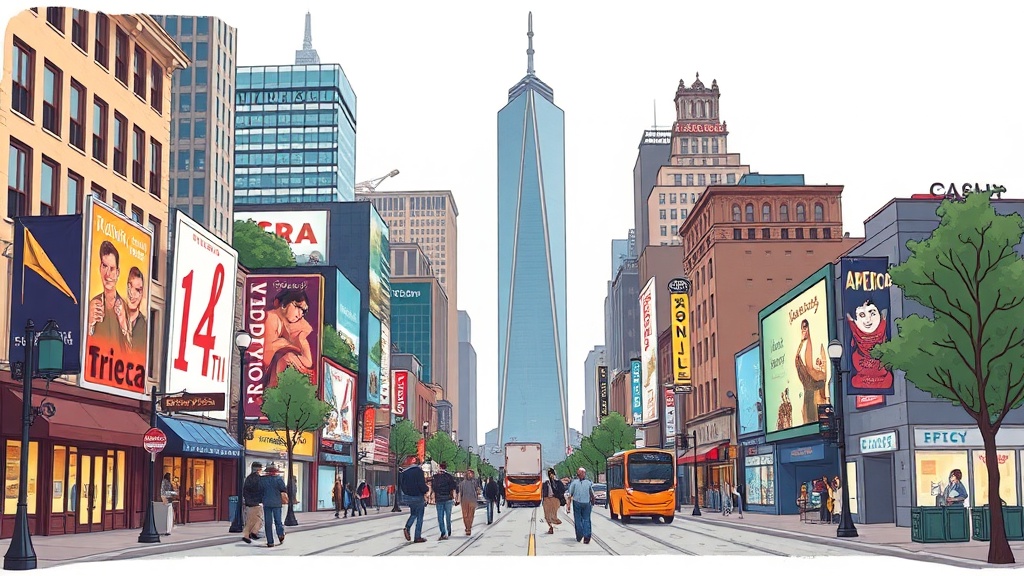
Tribeca remains one of the most desirable and distinctive neighborhoods in lower Manhattan — a blend of industrial architecture, creative energy, and quiet residential streets. Once a gritty warehouse district, the area now attracts families, creatives, and professionals with its loft conversions, low-rise brownstones, and cobblestone lanes that feel a world apart from the bustle just a few blocks away.
What to see and do
– Stroll the streets: Leather- and cobblestone-lined streets invite slow walks. Early mornings are especially atmospheric, with the light on cast-iron facades and little bakery queues forming at corner cafes.
– Hudson River Park & Pier 25: Waterfront access is a big draw. Pier 25 offers playgrounds, mini-golf, and open lawn space for picnics or evening sunsets over the river. The Hudson River Greenway is ideal for cycling and jogging.
– Parks & public spaces: Small, leafy parks tucked between buildings create neighborhood gathering spots.
Washington Market Park and Duane Park are especially popular with families and dog walkers.
– Cultural life: The neighborhood pulses with independent galleries, boutique cinemas, and special events. The Tribeca Film Festival, co-founded by local voices in the creative community, brings a global film spotlight to the neighborhood during festival programming and screenings.
– Weekend markets & events: Farmers markets, street fairs, and gallery openings keep the calendar lively. Pop-up shops and seasonal events often appear on weekend schedules, making every visit feel fresh.
Dining and nightlife
Tribeca’s culinary scene spans classic New York brasseries, inventive small-plate kitchens, and world-class fine dining. Longstanding neighborhood restaurants share space with new chef-driven concepts and intimate wine bars. Brunch is an institution here — reservations are recommended on weekends, and early weekday visits reward those who prefer a quieter meal.
Shopping and services
Boutiques, design stores, and specialty grocers cater to neighborhood needs, while creative studios and small tech firms help maintain a mixed-use feel. For shoppers who want an upscale, relaxed experience, Tribeca’s storefronts are both curated and approachable.
Real estate and lifestyle
Loft conversions and former industrial buildings dominate the market, many offering high ceilings, exposed beams, and large windows. Homes here appeal to those seeking space, light, and a strong neighborhood identity. The area attracts families seeking good schools and a pedestrian lifestyle, as well as professionals who value proximity to creative industries and green space.
Tips for visitors and newcomers
– Wear comfortable shoes: cobblestones and irregular sidewalks are charming but can be uneven.
– Plan meals ahead: popular restaurants often fill quickly, especially on weekends and during festival programming.
– Explore on foot or by bike: much of the neighborhood is best enjoyed at walking pace, with easy riverfront cycling options nearby.
– Time your visit: weekday afternoons and early evenings tend to be quieter than weekend peak hours.
Why Tribeca stands out
The neighborhood’s balance — historic architecture and modern comforts, calm residential pockets and lively cultural offerings — gives it a timeless appeal. Whether you’re exploring galleries, enjoying a riverfront stroll, or hunting for the perfect brunch spot, Tribeca offers an accessible, sophisticated New York experience that continues to draw people who appreciate character, community, and convenience.