Harlem remains one of the most magnetic neighborhoods in New York City, where a storied cultural legacy meets a dynamic, evolving present.
Known for its pivotal role in American music, literature, and civil rights, Harlem offers a layered experience—rich history, bold public art, soulful cuisine, and nightlife that pulses with jazz and gospel.
Cultural legacy and landmarks
Harlem’s influence stretches from the literary achievements of a celebrated cultural movement to the performance stages that launched countless careers.
Landmarks like the legendary Apollo Theater draw audiences for concerts and amateur nights, while institutions focused on Black history and culture preserve archives, art, and community programming.
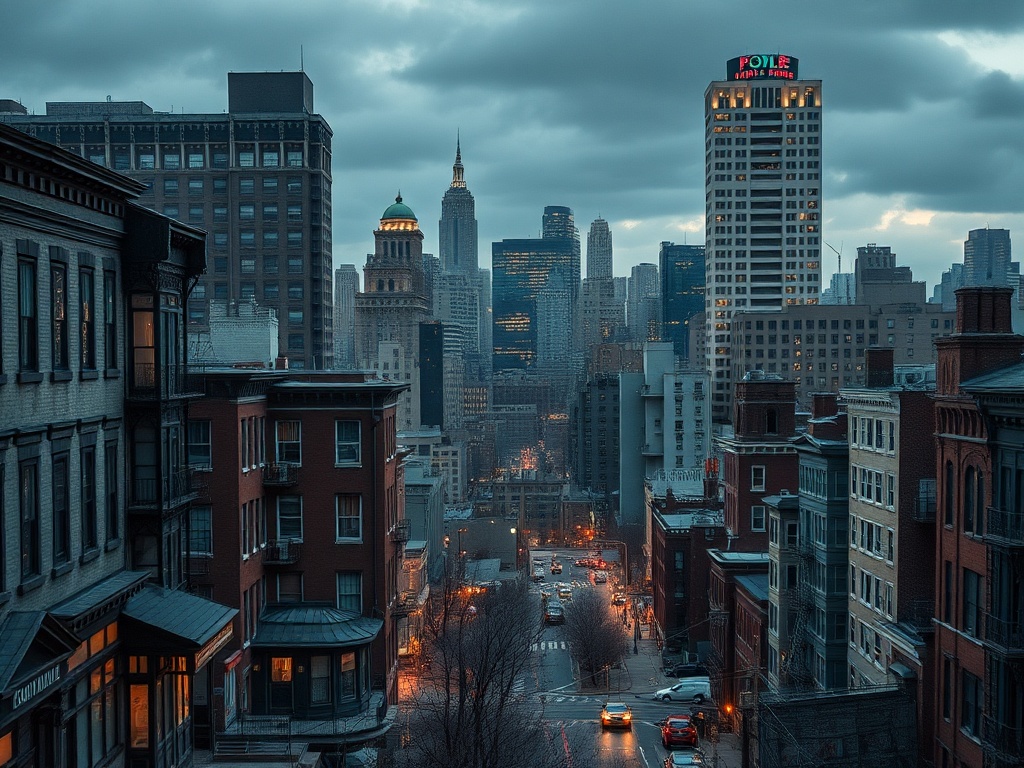
Stroll past historic brownstones, iconic rows of townhouses, and murals that reflect both local pride and contemporary commentary.
Food scene: from soul food to modern dining
Dining in Harlem is a culinary destination. Soul food staples coexist with innovative bistros and chef-driven concepts that reinterpret classic flavors. Expect everything from fried chicken, collard greens, and cornbread at long-loved spots to polished tasting menus, vegan Southern fare, and global influences that illustrate the neighborhood’s diversity. Street vendors and neighborhood cafes offer grab-and-go options between sightseeing stops.
Music, nightlife, and live performance
Harlem’s music scene is a major draw. Jazz clubs and intimate venues showcase both emerging artists and veteran performers, while gospel services offer powerful Sunday mornings that many visitors find moving. Late-night options include lively bars, music halls, and community arts spaces that host readings, open mics, and pop-up events.
For an authentic experience, check venue calendars and look for neighborhood-based showcases.
Arts, galleries, and public programming
Beyond music and food, Harlem hosts galleries, performance series, and public art that spotlight local and national artists. Community arts organizations run workshops, exhibits, and outdoor festivals that welcome residents and visitors. Researching gallery hours and signing up for mailing lists can reveal one-off openings and artist talks that are especially memorable.
Neighborhood walks and points of interest
Walking is one of the best ways to absorb Harlem’s character—each block tells a story. Consider a themed walk focused on architecture, music history, or culinary hotspots. Parks and open spaces offer breathing room and local recreation; smaller plazas often host markets, pop-ups, and family-friendly activities.
Practical tips for visitors
– Travel light and wear comfortable shoes; many highlights are best experienced on foot.
– Use public transit or ride services for convenient access; parking is limited.
– Check performance schedules and make reservations for popular restaurants and shows.
– Be mindful and respectful when photographing private residences and community events.
– Balance major attractions with time spent exploring residential streets and neighborhood businesses.
Community and change
Harlem continues to evolve, balancing preservation of cultural institutions with new development and changing retail landscapes.
Local organizations and grassroots initiatives play a vital role in keeping community narratives alive, supporting arts education, and ensuring that cultural heritage remains accessible.
For anyone drawn to music, history, food, or creative expression, Harlem offers a uniquely layered visit—where the echoes of influential movements meet fresh voices shaping the neighborhood’s next chapters.