Penn Station is one of the busiest transportation hubs in the country and a gateway for millions of riders each year. Whether catching an Amtrak train to a regional city, hopping the Long Island Rail Road for a suburban commute, or taking New Jersey Transit across the Hudson, knowing how to navigate the complex can save time and reduce stress.
Getting oriented
Penn Station spans multiple levels beneath Midtown Manhattan, with primary access points along 7th and 8th Avenues near 31st–33rd Streets.
The facility serves Amtrak, LIRR and NJ Transit trains and connects directly to several subway lines.
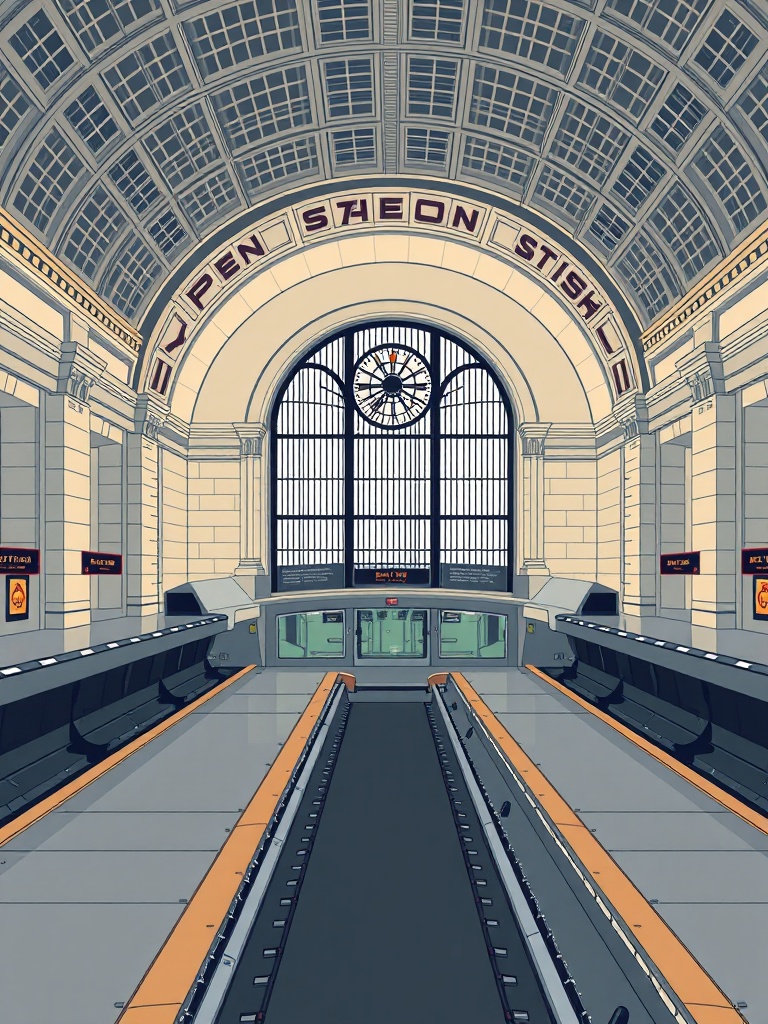
Moynihan Train Hall, housed in the former post office building across 8th Avenue, provides a bright, modern concourse with clear signage and digital departure boards for many long-distance and some commuter services. Follow the signs for Amtrak, LIRR or NJT to reach the correct concourse quickly; station maps and wayfinding apps are especially helpful when transferring between services.
Ticketing and boarding tips
Buy tickets ahead using official mobile apps or online portals to skip ticket lines and use e-tickets when possible. LIRR and NJ Transit have ticket machines and staffed ticket windows, but mobile tickets are faster during peak travel times.
Allow extra time for platform changes—many platforms are reached via long stairways, escalators or elevators, and crowds can form during rush periods.
For long-distance departures, check the posted boarding time as trains may begin boarding before scheduled departure.
Amenities and services
Expect modern amenities in key areas: charging stations, newsstands, coffee and quick-service dining, public seating and restrooms. Moynihan Train Hall offers expanded seating and more dining options than the older subterranean concourses, along with enhanced natural light and architectural features.
Wi-Fi access is available in many parts of the complex, and real-time departure boards help track delays or platform changes. Luggage storage services and left-luggage options are limited—plan ahead if you need to stow bags.
Accessibility and safety
Accessibility has improved across the complex, with elevators, ramps and tactile guidance in main concourses. Staff assistance is available for riders with mobility needs; contact your carrier in advance to arrange boarding help. For personal safety, keep belongings secure, stay within well-lit public areas, and use official station entrances and exits. During busy periods, platform crowding can become intense—stand away from platform edges and follow instructions from station personnel.
Connecting onward
Rideshare pick-up and drop-off points, taxi stands, and bus stops are located on surrounding streets; plan your first- or last-mile transfer in advance. Bike parking options and nearby bike-share stations can provide a convenient urban alternative for short distances. For multi-leg trips, allow buffer time between scheduled arrivals and connections, especially when transferring between underground platforms and Moynihan Train Hall.
What’s next
Ongoing projects aim to increase capacity, improve passenger flow and enhance the station environment with new concourses, additional tracks and improved transit connections. These efforts are focused on easing congestion and making transfers smoother for the growing number of commuters and long-distance travelers who rely on the hub.
Practical reminders
– Check departure boards and carrier apps frequently for platform updates.
– Use e-tickets or mobile apps to reduce wait times.
– Avoid peak times if possible to reduce stress and crowd exposure.
– Keep an eye on personal belongings and use well-lit waiting areas.
With a bit of planning and awareness of the station’s layout and services, navigating Penn Station becomes far more manageable.
The hub continues to evolve, offering improved spaces and better connectivity for travelers passing through the heart of the city.