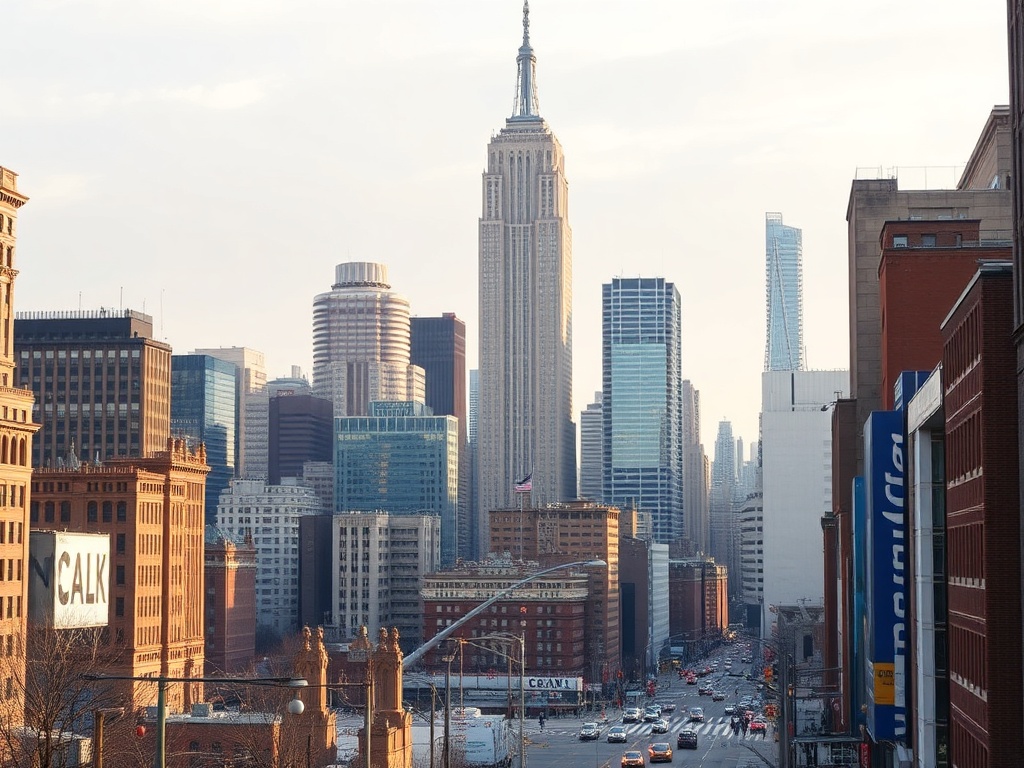
New York City keeps reinventing itself, blending big-city energy with greener public spaces, smarter transit, and a food and culture scene that pushes boundaries. Whether you live here or plan a visit, understanding how the city is evolving helps you experience the best of neighborhoods, parks, and everyday life.
Waterfront parks and climate resilience
Waterfront transformation has reshaped how people interact with the East and Hudson rivers. Continuous investments in waterfront parks, expanded promenades, and nature-focused design create more accessible recreation and help buffer neighborhoods against flooding. Look for elevated greenways, restored wetlands, and public art integrated into shoreline projects—these provide places to walk, run, kayak, or simply watch the skyline change with the light.
Transit and smarter mobility
Getting around is easier thanks to layered mobility options. The city’s transit network remains the backbone for commuters, while contactless fare payment has simplified subway and bus trips. Bike-share systems and growing bike-lane networks make short trips efficient and scenic. For last-mile travel, e-bikes and shared options are increasingly common, and rideshare apps plug gaps when transit doesn’t match your schedule. Plan routes with real-time apps to avoid unexpected delays and to pick the fastest combination of subway, bike, and bus.
Neighborhoods to explore
Each borough offers distinct vibes. Trendy neighborhoods mix long-standing culture with new creative spaces—think independent galleries, experimental theater, and late-night food markets. Outer neighborhoods have become culinary destinations in their own right, offering diverse cuisines at neighborhood prices and inventive cocktail bars. For a quieter pace, waterfront districts and tree-lined brownstone blocks provide green retreats without leaving the city.
Food and culture
Dining in the city remains dynamic: chefs fuse global flavors, pop-up kitchens test bold concepts, and neighborhood bakeries continue to draw lines. Reservations are helpful for high-demand spots, but don’t overlook walk-up counters, food halls, and outdoor stalls for memorable, budget-friendly meals. Cultural institutions balance blockbuster shows with emerging-artist programming, and smaller venues are hotspots for discovering new music, comedy, and performance art.
Practical tips for visitors and locals
– Use contactless payments on transit to save time and avoid ticket lines.
– Walk between neighborhoods when possible—many discoveries happen off the main avenues.
– Check neighborhood social feeds for street fairs, pop-ups, and late openings.
– Pack layers: coastal breezes and microclimates make temperature changes common.
– Support local businesses by choosing neighborhood cafes, bookstores, and markets.
Sustainability and community
Community gardens, rooftop green spaces, and local sustainability initiatives are visible across the city. Expect more businesses, building owners, and neighborhoods to prioritize energy efficiency, waste reduction, and public green space. Volunteer-driven cleanups and farmer-supported markets help maintain neighborhood character while promoting environmental stewardship.
Why it matters
New York’s constant reinvention isn’t just about skyline changes. It’s about making the city more livable, resilient, and accessible—balancing density with open space, legacy institutions with new creative ventures, and fast transit with people-centered streets. For residents and visitors who explore thoughtfully, the city offers endless ways to connect, discover, and participate in urban life that’s lively and sustainable.