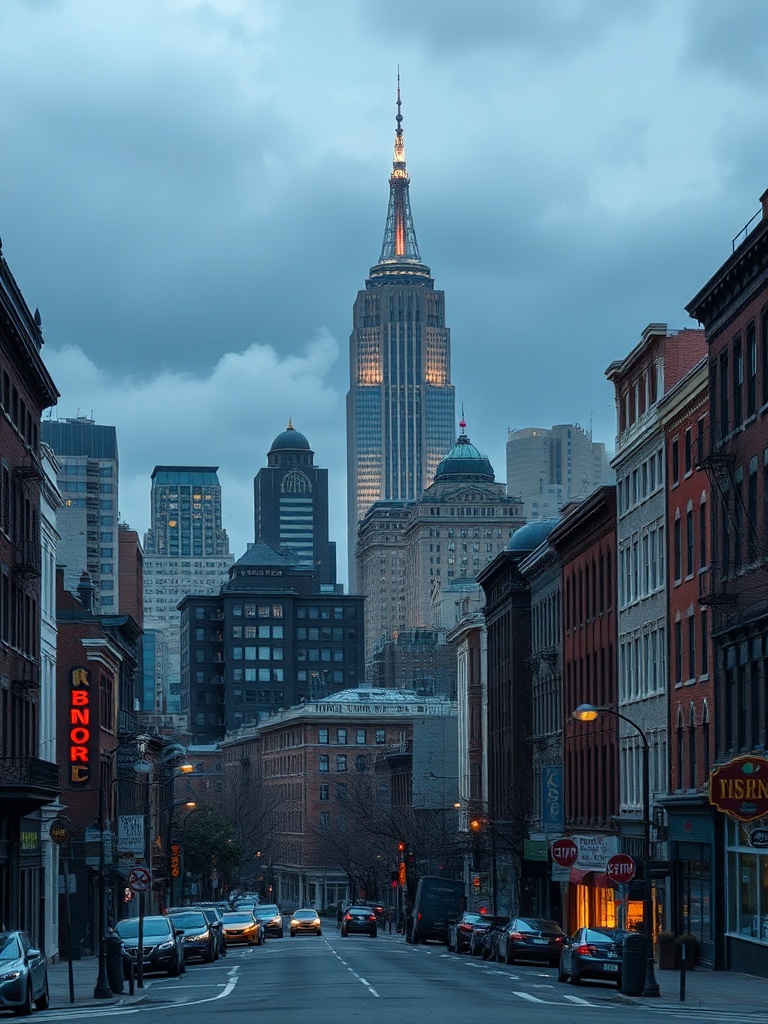
Harlem remains one of New York’s most magnetic neighborhoods, where rich history, vibrant culture, and an evolving culinary scene meet iconic music and community resilience. For visitors and locals alike, Harlem offers a compact, walkable experience filled with museums, theaters, soulful cuisine, and block after block of architectural character.
Cultural landmarks and arts
The neighborhood’s performing-arts legacy is on full display at historic venues and contemporary arts spaces. World-class music—especially jazz and gospel—still pulses through intimate clubs and community stages.
Museums and research centers celebrate Black culture, visual arts, and literature, offering rotating exhibitions, public programs, and research collections that highlight both historic movements and emerging artists.
Food and dining
Harlem’s food scene weaves soul-food institutions with modern eateries from a new generation of chefs. Classic restaurants remain pilgrimage sites for comfort favorites like fried chicken, collard greens, and cornbread, while newer spots reinterpret those flavors alongside global influences.
Weekend brunches, lively dinner spots, and late-night venues ensure there’s something for every appetite and budget.
Architecture and public spaces
Strolling through Harlem reveals rows of preserved brownstones, historic churches with soaring facades, and community parks that act as neighborhood gathering places. Parks and green spaces host everything from casual picnics to outdoor performances, while community gardens tucked between blocks bring greenery to the urban fabric. Architectural tours offer a closer look at Beaux-Arts facades, neo-Gothic churches, and the signature stoops that define the streetscape.
Music, nightlife, and performance
Live music is essential to Harlem’s identity. Gospel choirs draw morning crowds on Sundays, while jazz clubs and late-night venues feature local and touring acts. The neighborhood’s nightlife blends calendar-based festivals and weekly residencies, giving visitors multiple ways to experience performance, dance, and spoken-word art.
Community and commerce
Harlem balances new development with strong neighborhood networks. Independent businesses—bookstores, boutiques, barbershops, and art galleries—anchor commercial corridors and reflect local creativity. Community organizations and cultural institutions work to preserve affordable housing, support small-business ownership, and protect historic resources, sustaining the social fabric even as the neighborhood changes.
Things to do
– Take a walking tour of historic streets and murals to learn about Harlem’s artistic and political legacy
– Catch a live performance at a renowned theater or an intimate jazz club
– Visit cultural centers and research libraries with collections centered on African diaspora histories and arts
– Sample a mix of soul-food classics and contemporary cuisine along major avenues
– Explore parks and gardens for a quieter side of neighborhood life
Practical tips
Plan visits around performances and museum hours, and consider guided tours for deeper context. Weekdays offer a different pace than weekend rushes, and early reservations are helpful for popular dining spots. For on-the-ground insights, stop by local shops and cultural centers to pick up event listings and neighborhood guides.
Harlem continues to be a place of creativity, community, and culinary joy, where the past informally converses with new artistic voices and entrepreneurship. Whether exploring landmarks, listening to live music, or savoring local flavors, a few thoughtful hours here reveal why Harlem remains a cultural destination with enduring appeal.