Tribeca continues to blend old-world charm with contemporary urban living, making it one of Manhattan’s most desirable neighborhoods for residents and visitors alike. Known for its cobblestone streets, converted industrial lofts, and a strong creative pulse, Tribeca offers a mix of cultural attractions, high-end dining, and waterfront green space that appeals to a wide range of people.
Neighborhood character and architecture
Tribeca’s character is defined by its cast-iron and brick warehouses that were once manufacturing hubs and are now stylish residences, galleries, and offices.
High ceilings, oversized windows, and exposed beams make loft living a defining feature.
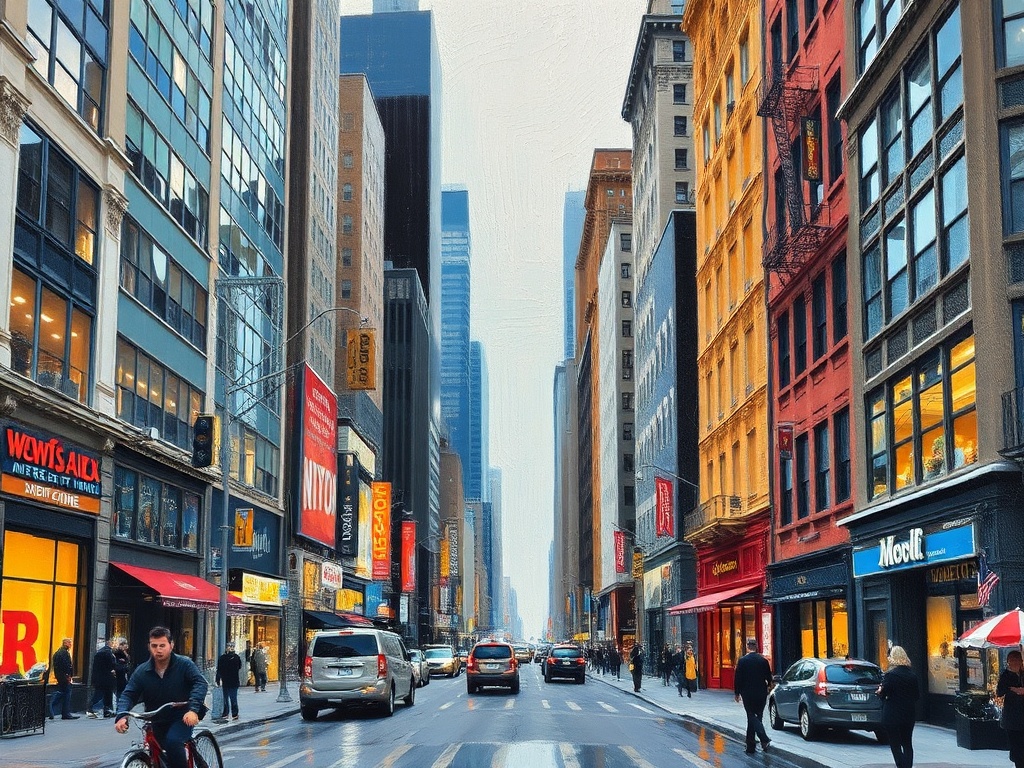
Boutique condos and thoughtfully restored historic buildings sit alongside newer developments that aim to preserve the neighborhood’s architectural integrity while adding modern amenities.
Cultural life and events
A major cultural anchor is an internationally known film festival that brings filmmakers, actors, and film lovers to the area each spring. The festival’s presence fuels a year-round calendar of screenings, panels, and pop-up events that support local theaters, independent cinemas, and creative startups. Galleries and small arts spaces also keep the neighborhood lively, with regular openings and artist talks that cater to collectors and neighbors.
Dining, shopping, and nightlife
Tribeca’s dining scene ranges from intimate neighborhood bistros to acclaimed restaurants led by celebrated chefs. Farm-driven menus, inventive tasting experiences, and casual cafes coexist, making it easy to find a morning coffee, a family dinner, or a late-night bite.
Boutique shopping focuses on curated lifestyle goods—homewares, independent fashion labels, and artisanal products—complemented by specialty markets and food purveyors.
Parks, waterfront, and family life
Families are drawn to Tribeca for its quieter streets, access to quality schools, and proximity to expansive green spaces.
The nearby waterfront park offers jogging paths, playgrounds, and river views that enhance outdoor living. Community-oriented programming—farmers’ markets, street fairs, and kids’ events—helps maintain a neighborly feel that contrasts with busier commercial areas.
Real estate and lifestyle considerations
Real estate in the neighborhood typically appeals to buyers and renters seeking combination of space, style, and location. Loft conversions and full-floor properties attract those who prioritize design and natural light, while newer luxury buildings offer concierge services and fitness facilities. For buyers weighing priorities, consider trade-offs between historic character and modern amenities, as well as proximity to public transit and schools.
Practical tips for visitors and residents
– Walk the streets: Part of Tribeca’s appeal is the pedestrian experience—explore back alleys and side streets to find hidden restaurants and galleries.
– Book ahead: Popular dining spots and film-related events can be busy, so reservations and advance ticketing help secure plans.
– Use green space: Take advantage of waterfront paths and parks for exercise and relaxation.
– Explore on foot or bike: The compact layout makes short trips feasible without a car.
Why Tribeca resonates
The neighborhood’s ability to balance cultural vitality with a residential sensibility keeps it appealing. Whether the draw is the film festival buzz, the architectural loft appeal, or the culinary offerings, Tribeca remains a place where creative energy meets comfortable, refined urban living. Keep an eye on neighborhood programming and restaurant openings to experience the best of what Tribeca has to offer.