Grand Central Terminal remains one of the best-known transportation hubs and architectural landmarks in the city, blending daily commuter life with tourist appeal. Whether passing through on a commute or planning a dedicated visit, there’s plenty to notice beyond the headline sights.
What to see and experience
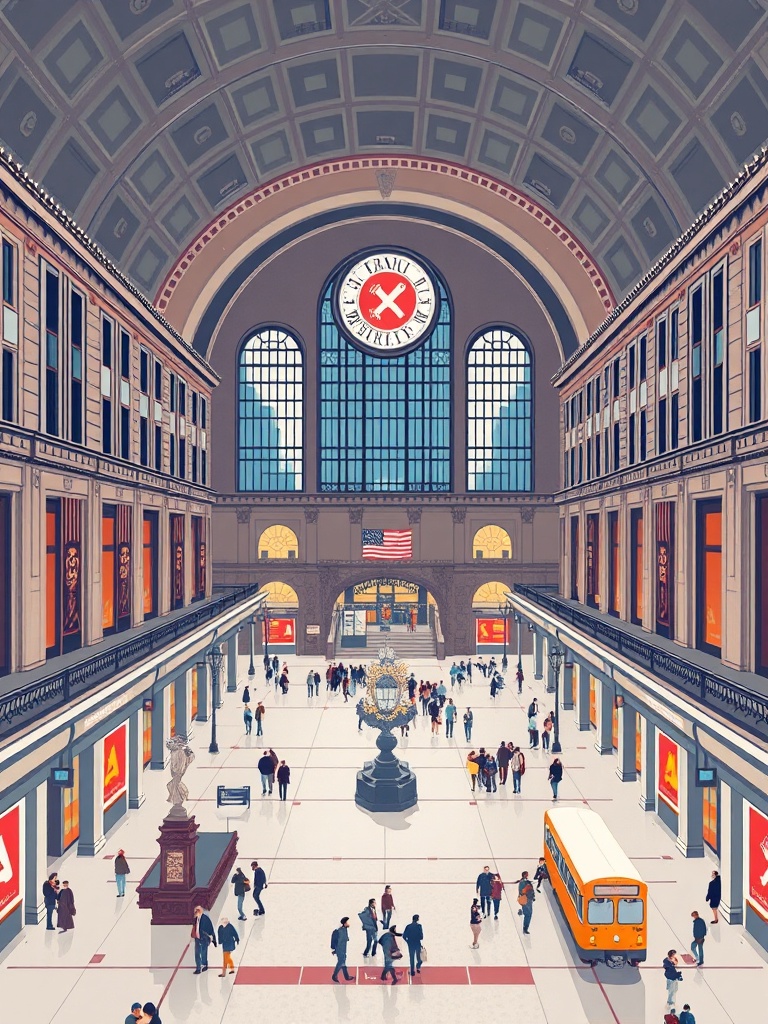
– Main Concourse ceiling: The celestial mural is the iconic first stop for many visitors—look up to appreciate the constellation motif and the copper-toned walls that frame the busy concourse.
– Four-faced clock: The opal-faced clock atop the information booth is a classic meeting point and a collectible-image moment for photographers.
– Whispering Gallery: Near the Oyster Bar’s arched entrance, try the whispering trick—speak into one corner of the tiled arch and a companion can hear it from the opposite corner.
– Vanderbilt Hall: Once a grand waiting room, this space hosts rotating events, seasonal markets, and occasional exhibits that add cultural energy to the terminal.
– Dining Concourse and Grand Central Market: From quick bites to specialty produce stalls and artisanal goods, the market-style vendors reflect modern tastes while honoring historic food destinations like the famous oyster bar.
– Hidden gems: Seek out the Campbell (a restored private office-turned-lounge), the nearby Post Office mural at the Graybar Passage, and small plaques that tell the Vanderbilt family’s role in the terminal’s history.
Travel and commuter tips
– Allow extra time: The terminal is both a transport hub and tourist destination—give yourself buffer time to navigate crowds, especially during morning and evening peaks.
– Read the boards: Digital departure displays and information desks are easy to find; they’ll help you confirm track assignments and platform changes quickly.
– Access and mobility: Elevators and ramps are in place across major concourses, and staff are available for assistance if mobility needs require more support.
– Safety and belongings: Crowded concourses mean keeping wallets and bags secure; treat Grand Central like any busy public space and keep valuables close.
Preservation and modern upgrades
The terminal balances preservation with contemporary needs. Careful restoration efforts keep historic marble, brass, and decorative elements in good condition, while modern infrastructure—improved lighting, digital signage, and contactless fare technologies on connecting services—makes for a smoother transit experience. Sustainability initiatives and energy-efficiency projects have also been integrated, alongside ongoing efforts to maintain and adapt retail and dining spaces for changing visitor expectations.
Events and seasonal life
Vanderbilt Hall and other spaces host markets and cultural programming that draw locals as well as travelers.
The terminal also frequently partners with local organizations and brands to showcase art installations, historical exhibits, and pop-up retail that add variety to routine commutes.
Best times to visit
Off-peak hours—mid-morning and mid-afternoon—offer a calmer way to take in architecture and shop the market. Evenings can be lively, particularly when special events are on, while weekends balance visitor traffic with commuters.
Why it matters
Grand Central functions as more than a transit hub: it’s a living civic space where architecture, commerce, and daily life intersect. For commuters it’s a practical gateway; for visitors it’s an immersive lesson in urban design and history.
A few intentional minutes spent under the main concourse ceiling or a casual meal at the market can turn a hurried transfer into a memorable city experience.