The Lower East Side remains one of the city’s most magnetic neighborhoods, where layered history, food culture, and a thriving creative scene collide.
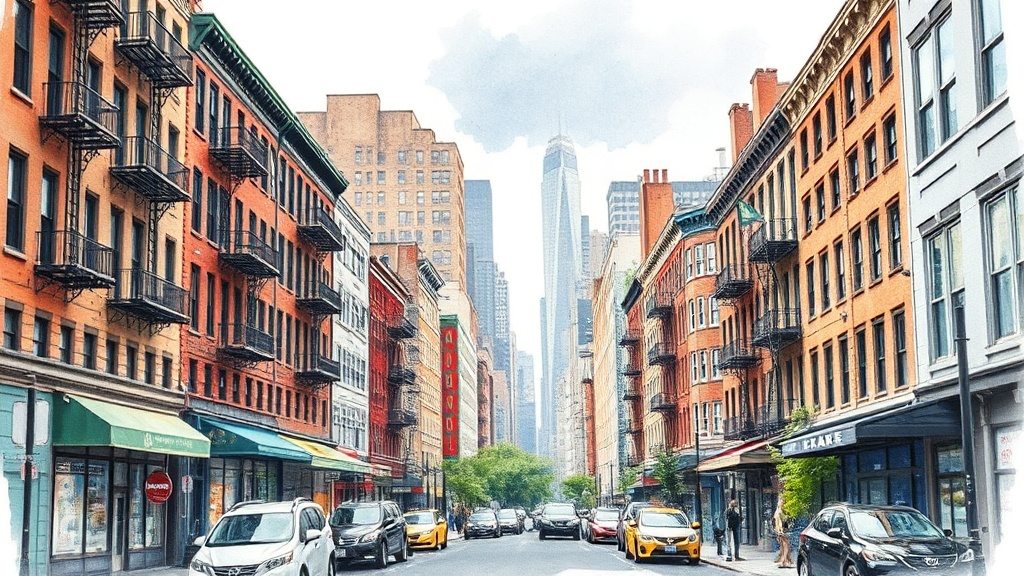
Once defined by waves of immigrant life, the area now blends preserved tenement stories with an energetic mix of restaurants, galleries, and nightlife — all within a compact, walkable grid that rewards slow exploration.
What to see and taste
– Historic tenements and museums: Guided tours through preserved apartment buildings bring immigrant stories to life, offering a powerful context for the neighborhood’s evolution.
– Food destinations: From century-old delis and iconic appetizing counters to contemporary eateries and clever food stalls, the Lower East Side is a food lover’s laboratory. Grab a classic sandwich at a landmark deli, sample smoked fish at a specialty shop, then hunt down a buzzy new tasting menu or ramen counter nearby.
– Markets and halls: A modern market hub gathers local vendors under one roof, showcasing makers, bakers, and chefs with an emphasis on small-batch and artisanal goods — great for tasting your way through the neighborhood.
– Nightlife and music: Intimate venues and historic ballrooms host a steady stream of local bands and touring acts. Side streets reveal dimly lit bars, speakeasy-style lounges, and rooftop spots for skyline views.
– Art and street culture: Galleries and experimental spaces coexist with vibrant street art, making every corner an opportunity to discover emerging artists and public murals.
Why the neighborhood still matters
The Lower East Side remains a touchstone for storytelling. Preservation efforts keep tenement architecture and cultural institutions visible, while community groups advocate for affordable housing and independent small businesses. That tension — between protecting heritage and welcoming new investment — keeps conversations lively and the area dynamic.
How to explore like a local
Start with a relaxed walking route: sample a specialty shop, wander side streets for boutique vintage stores, and pause in community parks that double as gathering spots for outdoor markets and live performances. Weeknights tend to be less crowded, offering better chances to snag a table at high-demand spots and to enjoy quieter gallery visits. Look for neighborhood pop-ups and supper clubs for more intimate culinary experiences.
Practical tips
– Wear comfortable shoes; many highlights are best seen on foot.
– Check local listings for event calendars, gallery openings, and live-music schedules.
– Support independent shops and vendors; small storefronts and market stalls showcase businesses that make the neighborhood distinctive.
– Be mindful of ongoing changes: construction and new developments can alter footpaths and public spaces, so allow extra time when planning longer walks.
The future pulse
The Lower East Side continues to be shaped by adaptive reuse projects, creative entrepreneurs, and community activism. That mix keeps the area both rooted and restless — a place where immigrant histories are honored while fresh flavors, new voices, and cultural experimentation are constantly arriving. For visitors and longtime residents alike, the neighborhood offers endless ways to discover stories, flavors, and art that reflect a city always in motion.