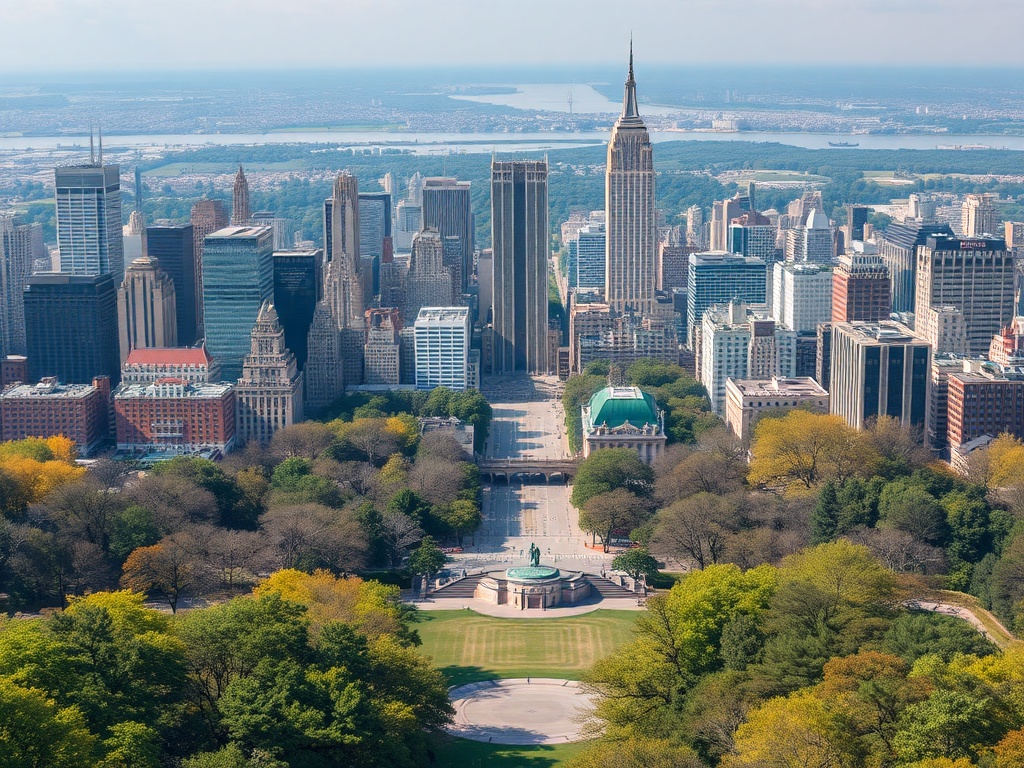
Central Park remains one of the most visited and beloved urban green spaces, offering a mix of natural beauty, cultural landmarks, and recreational options that appeal to locals and visitors alike. Spanning 843 acres in Manhattan, the park functions as a living escape from the city’s pace—perfect for everything from quiet nature walks to large-scale public performances.
What to see and do
– Iconic landmarks: Bethesda Terrace and the Fountain, the Bow Bridge, and Belvedere Castle are must-see photo stops. Each offers unique architecture and great vantage points for people-watching and skyline views.
– Scenic escapes: The Ramble and North Woods provide dense, woodland paths ideal for birdwatching and a genuinely tranquil experience. Watch for migrating songbirds in spring and diverse urban wildlife year-round.
– Open lawns: Sheep Meadow and the Great Lawn are favorite picnic and sunbathing spots. They also host cultural events and concerts, so check schedules if you’re planning a quiet afternoon.
– Gardens and quiet corners: The Conservatory Garden near Fifth Avenue is a formal, three-part garden offering seasonal plantings and a peaceful retreat. Strawberry Fields, the memorial near West 72nd Street, attracts visitors who come to reflect and listen to street musicians.
– Activities: Rent a rowboat at the Loeb Boathouse, take a guided walking tour, or cycle the park’s loop. Families can visit the Central Park Zoo or enjoy numerous playgrounds scattered throughout.
Practical visiting tips
– Start early or head out late: To avoid peak crowds and enjoy cooler conditions, aim for early morning or late afternoon visits.
Weekends and midday are the busiest.
– Plan your route: The park is long and wide—pick a few highlights rather than trying to cover everything in one trip. Use official maps or park apps to find entrances and facilities like restrooms and water fountains.
– Getting there: Multiple subway lines and bus routes stop near several park entrances. Citi Bike docks and bike rental shops make cycling convenient, but always follow park cycling rules and stay in designated lanes.
– What to bring: Comfortable walking shoes, water, sunscreen, and a light layer for changing weather. If picnicking, use waste bins or carry out trash to help keep the park clean.
– Accessibility: Many paths and major sights are wheelchair-accessible; check accessibility maps and visitor centers for the best routes.
Conservation and community
A combination of public stewardship and private support keeps Central Park thriving. Ongoing conservation and restoration efforts focus on sustainable landscaping, native plantings, and habitat protection for birds and small mammals. Volunteer programs and community events help maintain the park’s health and connect neighbors to stewardship opportunities.
Events and culture
From free performances to ticketed concerts and theater productions, the park’s event calendar is active during warmer months.
Seasonal attractions like ice skating rinks and holiday displays add to the park’s year-round appeal.
For up-to-date listings, consult official park resources or event calendars before planning a visit.
Hidden gems
– The Hallett Nature Sanctuary (check access) and small architectural details tucked near the park’s lesser-known paths reward curious explorers.
– Look for public art installations and rotundas that are easy to miss but offer great photo ops with fewer crowds.
Whether you’re seeking a leisurely stroll, a family outing, or a cultural experience, Central Park offers layered experiences that reveal something new on nearly every visit. Plan ahead, respect the park’s rules, and you’ll find plenty to explore.