Penn Station is the busiest transportation hub in the region and a gateway for commuters, visitors, and long-distance travelers. Whether you’re passing through between flights, catching a commuter train, or heading out on an Amtrak route, a few practical strategies make the experience smoother and less stressful.
Getting oriented
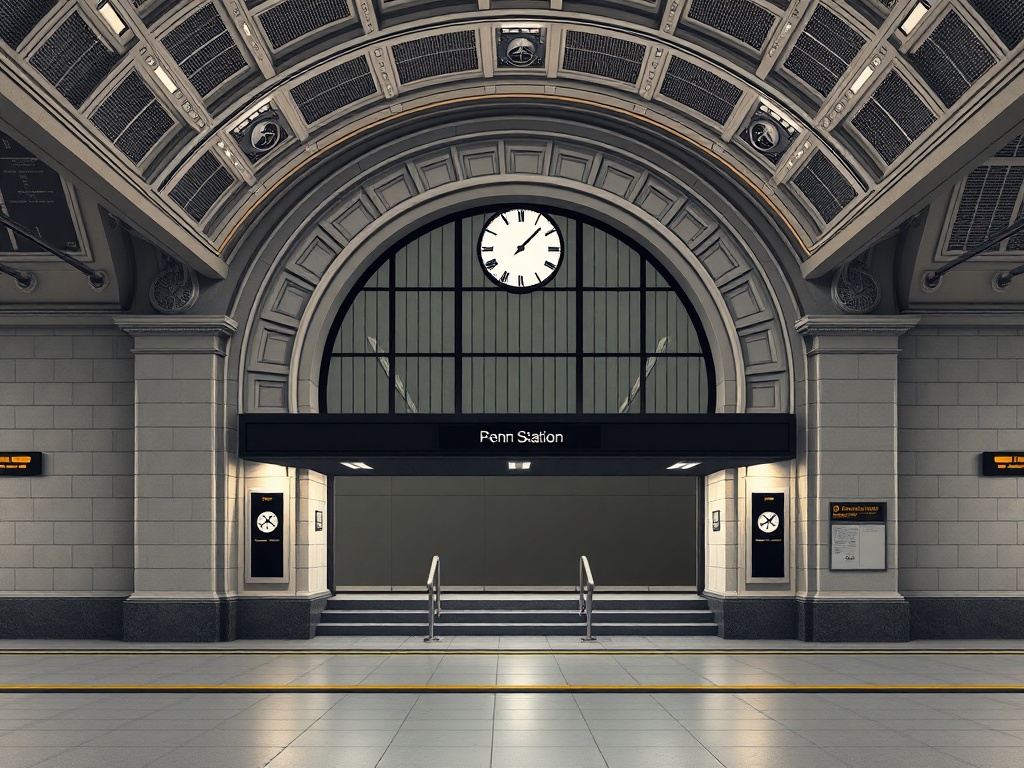
Penn Station spans multiple concourses and is co-located with the Moynihan Train Hall in the nearby historic Post Office building.
Multiple operators share the complex—regional commuter rails, interstate rail, and subway lines—so allow extra time when transferring between services. Street-level entrances sit along 7th and 8th Avenues and 31st–34th Streets; bright signage and digital boards help with wayfinding, but crowds can make navigation slower than expected.
Transfers and connections
– Subways: Several subway lines stop within a short walk of the station. Follow signs for the station names that match your operator (Amtrak, NJ Transit, LIRR) to avoid costly detours.
– Regional rails: NJ Transit and the Long Island Rail Road operate frequent commuter trains; Amtrak serves intercity routes.
Each operator uses its own ticketing system and boarding procedures—confirm which platform and concourse your train departs from.
– PATH and buses: PATH is within walking distance from Midtown stations; buses and shuttles serve surrounding areas.
Factor in an extra 10–20 minutes for transfers when traveling with luggage.
Ticketing and apps
Mobile tickets are now the norm.
Purchase and store tickets in the operators’ official apps or print a paper ticket if you prefer. For subway and bus trips, contactless fares are accepted through the regional transit contactless system—tap-and-go makes quick trips easier. Always check for live updates and platform assignments before you board; digital displays usually post final track numbers shortly before departure.
Amenities and comfort
The Moynihan Train Hall brought more daylight, seating, and retail options, offering a calmer alternative to the older concourses. Expect coffee shops, quick-service food, and a selection of stores for last-minute needs. For longer connections, consider the quieter corners of the newer concourse or the paid waiting areas where available.
Safety and etiquette
High foot traffic means keeping personal items secure and being mindful of luggage placement.
Police and transit personnel maintain a visible presence; report suspicious activity promptly. During peak periods and arena events nearby, expect larger crowds and longer lines—arrive earlier than usual and be patient when queuing.
Accessibility
Elevators, ramps, tactile paving, and ADA-compliant pathways exist throughout major concourses, but not every entrance has full accessibility features. If you require assistance, contact your rail operator ahead of travel to arrange support and allow additional time for transfers.
Practical packing tips
– Travel light and use a compact, easy-to-roll bag for moving quickly through crowds.
– Carry a portable charger and use station Wi‑Fi or mobile data for ticket access and schedule checks.
– Keep a refillable water bottle and quick snacks in case food options are crowded or closed.
Planning ahead
With ongoing investments and improvements aimed at boosting capacity and passenger experience, the station’s layout and services evolve.
Before you travel, review official operator updates and consider non-peak departures when possible to avoid the densest crowds. A little advance planning makes navigating one of the region’s busiest transport hubs far more predictable and much more comfortable.