East Village Guide: Where Creative Energy, Food, and Community Converge
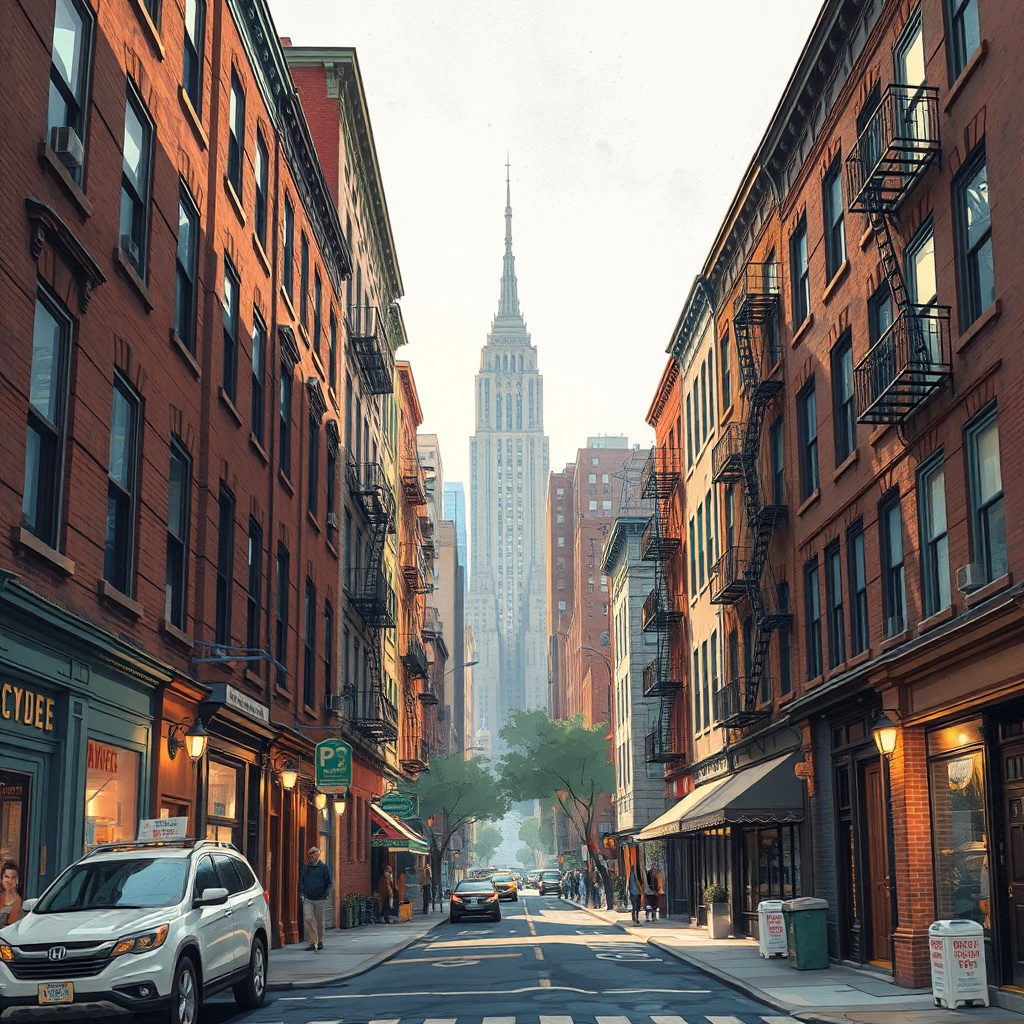
One of the city’s most compact neighborhoods, the East Village is a patchwork of narrow streets, community gardens, late-night eateries, and a cultural history that still hums beneath storefronts and tenement facades. Whether you’re here for music, food, shopping, or just to soak up street life, this neighborhood delivers a layered experience that rewards exploration.
What to see and do
– Stroll St. Mark’s Place: A pedestrian artery lined with eclectic shops, vintage stores, and late-night food options. It’s a great place for people-watching and finding offbeat souvenirs.
– Spend time in Tompkins Square Park: More than green space, the park functions as a community hub — hosting farmers’ markets, performances, and free-form gatherings. It’s also a spot where activism and neighborhood history intersect.
– Seek out community gardens: Hidden behind gates and brick rows, these small green plots offer calm and candid displays of urban stewardship. Many are volunteer-run and open to visitors during daylight hours.
– Catch live music and performance: The neighborhood’s DIY spirit supports small venues and independent artists.
From intimate acoustic sets to experimental theater, there’s often something going on after dark.
Eat, drink, repeat
The East Village is famous for variety. A single block can include a classic comfort-food diner, a ramen shop with lines spilling onto the sidewalk, plant-forward cafés, and late-night pizza counters. Cocktail bars range from low-lit speakeasies to lively neighborhood lounges, while a resilient tradition of cheap, beloved dive bars keeps the after-hours scene authentic.
For the most rewarding experience, plan a culinary crawl—balance a savory sit-down meal with stops at a bakery, a specialty coffee shop, and a late-night snack spot.
Shopping and creative finds
Independent bookstores, vinyl shops, and vintage clothing stores populate the side streets. Many small retailers specialize in niche finds — radical zines, handmade jewelry, curated vintage, and artisanal goods — making the East Village ideal for treasure hunters and creators. Window-shopping here often leads to discovering artists’ studios and pop-up markets.
Community character and change
The East Village has long been shaped by artists, immigrant communities, students, and activists.
That diverse mix is visible in murals, cultural festivals, and grassroots organizations that focus on housing rights, public-space preservation, and small-business support. At the same time, the neighborhood faces pressures seen across many urban centers: rising rents, real-estate development, and the ongoing tension between preservation and change. Local community boards and neighborhood groups remain active, offering ways for residents and visitors to engage responsibly.
Practical tips
– Walk as much as possible: The area is compact and best experienced on foot.
– Visit off-peak for a quieter experience: Early afternoons are ideal for browsing shops and gardens; evenings are livelier for dining and music.
– Support independent businesses: Small cafés, bookshops, and venues rely on local patronage to thrive.
– Stay aware of community norms: Many gardens and cultural spaces have volunteer-run schedules and guidelines for visitors.
Why the East Village still matters
Less polished than other parts of the city, the East Village preserves a raw, creative spirit that draws curious visitors and steadfast residents alike.
It’s a neighborhood where the past coexists with experimentation, and where everyday streets continue to produce culture — through music, food, art, and civic engagement.
If you want an authentic urban slice that rewards slow, attentive exploration, start wandering here.