Upper East Side: A Guide to Culture, Cuisine, and Comfortable Living
The Upper East Side remains one of the city’s most desirable neighborhoods, balancing quiet residential streets with world-class cultural institutions.
Stretching along the east side of Central Park and bordered by the East River, this neighborhood is known for its elegant brownstones, luxury high-rises, and a concentration of museums that draw visitors year-round.
Culture and Museums
Museum Mile anchors the neighborhood’s cultural appeal, with several internationally recognized museums clustered along Fifth Avenue. Art lovers can spend days exploring diverse collections, from classical European paintings to modern and contemporary installations. Smaller, specialized institutions and private galleries add depth, offering rotating exhibitions, lectures, and community programs that reinforce the area’s reputation as an arts destination.
Dining and Shopping
Dining on the Upper East Side ranges from neighborhood bistros and classic delis to Michelin-starred restaurants and refined cafés. Madison and Lexington Avenues host a mix of designer boutiques, high-end retailers, and independent shops, making the area popular for both curated shopping experiences and everyday errands. Markets and specialty food stores provide convenient options for residents who prefer to cook at home, while an evolving bar and cocktail scene caters to night-time crowds seeking something low-key or sophisticated.
Parks and Outdoor Life
Residents benefit from immediate access to Central Park’s eastern edge, which offers running paths, biking routes, and peaceful green spaces. Smaller parks and waterfront promenades along the East River provide scenic spots for morning exercises, dog walks, and weekend relaxation. Community gardens and pocket parks help preserve the neighborhood’s planted character, contributing to a sense of calm that contrasts with downtown buzz.
Transit and Connectivity
Public transit options connect the neighborhood to the rest of the city, with multiple subway lines, bus routes, and pedestrian-friendly streets. The nearby tram to the river island and ferry options add alternative commutes and scenic travel choices.
Ease of access to job centers, schools, and cultural hubs helps maintain the neighborhood’s long-term appeal to a broad demographic.
Real Estate and Community
Upper East Side real estate is diverse: stately prewar co-ops, renovated brownstones, and modern condominium towers offer choices for families, young professionals, and downsizers.
Many buildings prioritize building services, such as doormen, concierge desks, and on-site amenities. The community culture blends long-term residents with newer arrivals attracted to the neighborhood’s schools, safety, and amenities, creating a stable, engaged environment.
Schools and Family Life
A mix of public and private schools, plus numerous after-school programs and cultural institutions that offer children’s programming, make the area family-friendly.
Playground access, museums with children’s workshops, and family-oriented weekend activities help families find social connections and enrichment opportunities close to home.
Tips for Visitors and New Residents
– Plan museum visits in advance; many institutions offer timed entry and special programming.
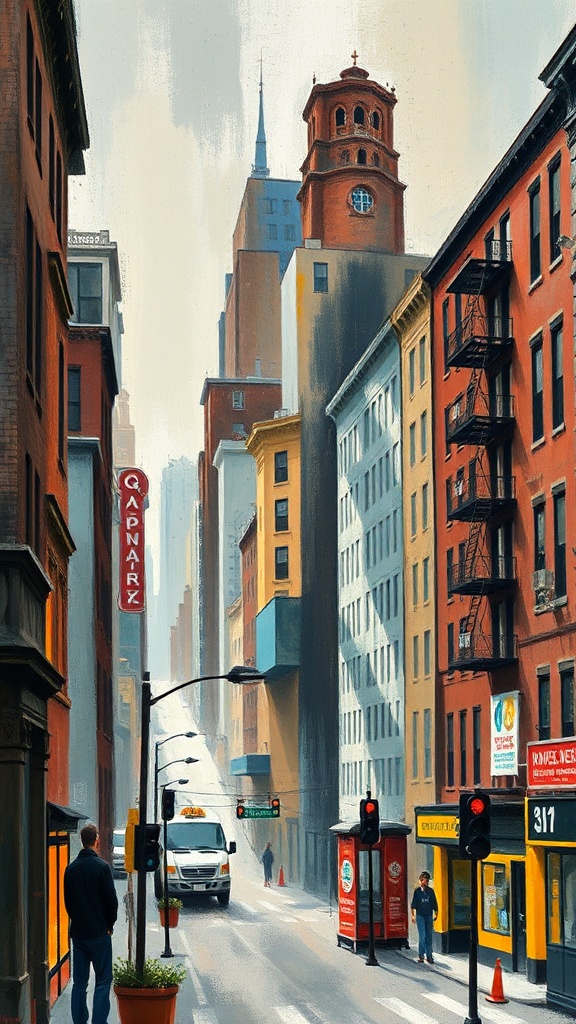
– Explore different avenues—each has a unique vibe, from boutique-lined Madison to more residential Lexington.
– Walk the park edge for a classic view of the city skyline and riverside tranquility.
– Check neighborhood listings for seasonal markets and pop-ups that spotlight local artisans and food vendors.
Whether you’re considering a long-term move or just a day of cultural exploration, the Upper East Side offers a refined, walkable urban experience with deep cultural roots and modern conveniences that appeal to a wide range of tastes.