The Meatpacking District remains one of the most dynamic neighborhoods for visitors seeking a mix of history, design, dining, and nightlife.
Once a gritty industrial area lined with slaughterhouses and brick warehouses, the district now showcases a striking adaptive-reuse landscape where cobblestone streets and cast-iron facades meet glass-front boutiques, art galleries, and rooftop bars.
What to see and do
– Walk the cobblestones: Start with a stroll along Gansevoort Street and neighboring blocks to appreciate the preserved industrial architecture. Those iconic cobblestones give the neighborhood its unmistakable character and make for great photo opportunities.
– Connect with the High Line: The elevated park skirts the northern edge of the district, offering a leafy, elevated promenade with views over the Hudson River and city skyline.
The High Line’s landscaping and public art installations create a calming counterpoint to the neighborhood’s energetic streets.
– Visit contemporary art spots: Small galleries and rotating pop-ups congregate throughout the district, often favoring experimental and emerging artists. Larger contemporary institutions are a short walk away, making the area a creative hub for collectors and casual visitors alike.
– Savor the food scene: The area caters to a wide range of tastes—from casual artisanal markets and late-night bites to refined tasting menus.
Many chefs and restaurateurs experiment with seasonal, locally sourced ingredients, so menus change frequently and often reflect current culinary trends.
– Shop thoughtfully: The district is known for curated boutiques that blend high-fashion labels with independent designers, concept stores, and home goods. Window-shopping here feels like visiting a living design museum.
Why it works
The Meatpacking District’s appeal lies in a careful blend of preservation and reinvention. Historic industrial buildings were repurposed rather than erased, creating a layered streetscape that feels both authentic and contemporary. This combination attracts designers, tech startups, and hospitality brands that value character-driven locations.
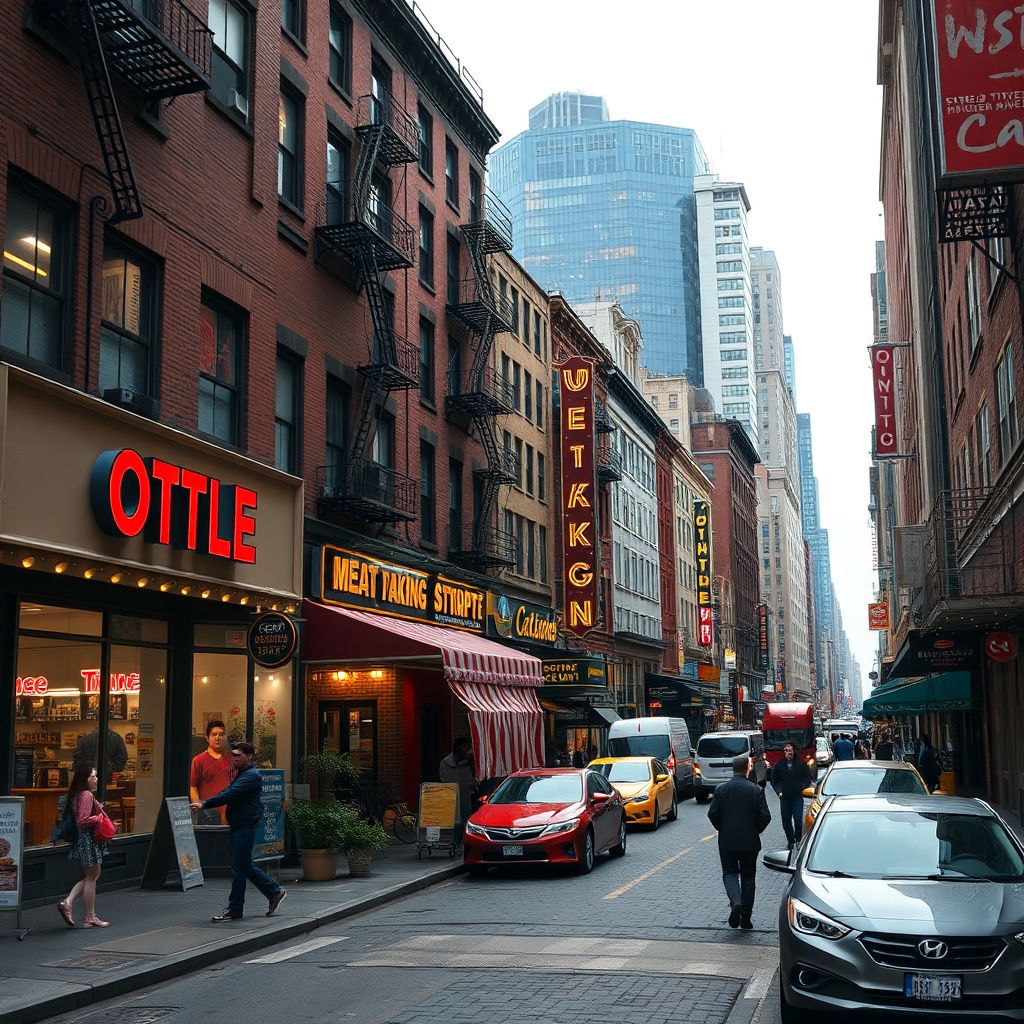
Streetscaping, improved pedestrian access, and public plazas have helped make the neighborhood more walkable and event-friendly, encouraging foot traffic day and night.
Practical tips
– Timing: Weekday afternoons offer a quieter alternative to busy weekend evenings when nightlife reaches peak activity. For museums and art spaces, check opening hours and book timed-entry tickets when available.
– Getting around: Public transit, shared bikes, and ride-shares make the district easy to reach. Bring comfortable shoes for uneven pavement and cobblestones.
– Reservations and tickets: Popular restaurants and rooftop venues often require reservations.
For special exhibitions or limited-capacity events, purchase tickets in advance.
– Dress code: The vibe ranges from upscale-chic to casual creative—versatile layers and stylish yet comfortable footwear work best.
Sustainability and future-facing design
Recent development trends emphasize sustainability and resilient urban design.
Adaptive reuse projects frequently incorporate energy-efficient systems, green roofs, and materials that preserve the original building fabric while improving performance. Public spaces are being designed with climate resilience and biodiversity in mind, reinforcing the district’s role as a model for thoughtful urban redevelopment.
A neighborhood that keeps evolving
For those who appreciate architecture, culinary innovation, and a neighborhood with layered history, the Meatpacking District remains a compelling destination. Its mix of old and new continues to attract creative energy, making each visit an opportunity to discover fresh tastes, new exhibitions, and memorable city views.