Meatpacking District: vibrant history, modern pulse
The Meatpacking District remains one of the most dynamic corners of the city, where industrial heritage meets contemporary culture. Once dominated by slaughterhouses and cold-storage warehouses, the neighborhood has evolved into a compact hub of art, dining, design and nightlife while preserving its distinctive cobblestone streets and brick-and-iron architecture.
What to see and do
– Walk the High Line: This elevated linear park slips through the district, offering green spaces, public art and unique views of the Hudson River and city skyline. The High Line is a perfect way to connect the Meatpacking District with nearby neighborhoods while enjoying landscaped overlooks and pop-up events.
– Visit contemporary art venues: World-class museums and smaller galleries anchor the neighborhood’s creative scene. Exhibitions, openings and site-specific installations frequently draw a cultured crowd.
– Explore Chelsea Market and local food halls: A short stroll from the district, food markets provide everything from artisanal coffee and pastries to international street food.
They’re ideal for sampling local flavors between gallery visits.
– Shop small and stylish: Independent designers and flagship stores sit alongside specialty shops, making the area a magnet for fashion-forward shoppers and those looking for unique homewares.
– Dine and drink: From refined tasting menus to relaxed neighborhood taverns, the dining scene ranges widely. Rooftop bars and intimate cocktail lounges offer great options for evening drinks and skyline views.
Why the neighborhood works
Adaptive reuse is the district’s secret: former industrial buildings have been transformed into sleek restaurants, boutiques and office spaces while retaining original details. That fusion of old and new creates a layered urban character—historic facades and cobbles meet glass-and-steel interiors and modern landscaping. The compact footprint also makes the area highly walkable, encouraging exploration on foot.
Practical tips for visitors
– Walk comfortably: Cobblestone streets add charm but can be uneven.
Opt for comfortable shoes, especially if you plan to stroll long stretches or walk the High Line.
– Time your visits: Weekday afternoons tend to be quieter for galleries and small shops, while evenings and weekends bring a livelier crowd for dining and nightlife. Make reservations for popular restaurants to avoid long waits.
– Transit and accessibility: The neighborhood is well connected by public transit, making it easy to reach from multiple parts of the city.
Many streets are pedestrian-friendly, but check accessibility routes if mobility is a concern.
– Safety and atmosphere: The district is lively and well-patrolled, particularly around nightlife hubs. Use usual urban safety practices—stay aware of belongings and plan your return route after late nights.
Events and culture
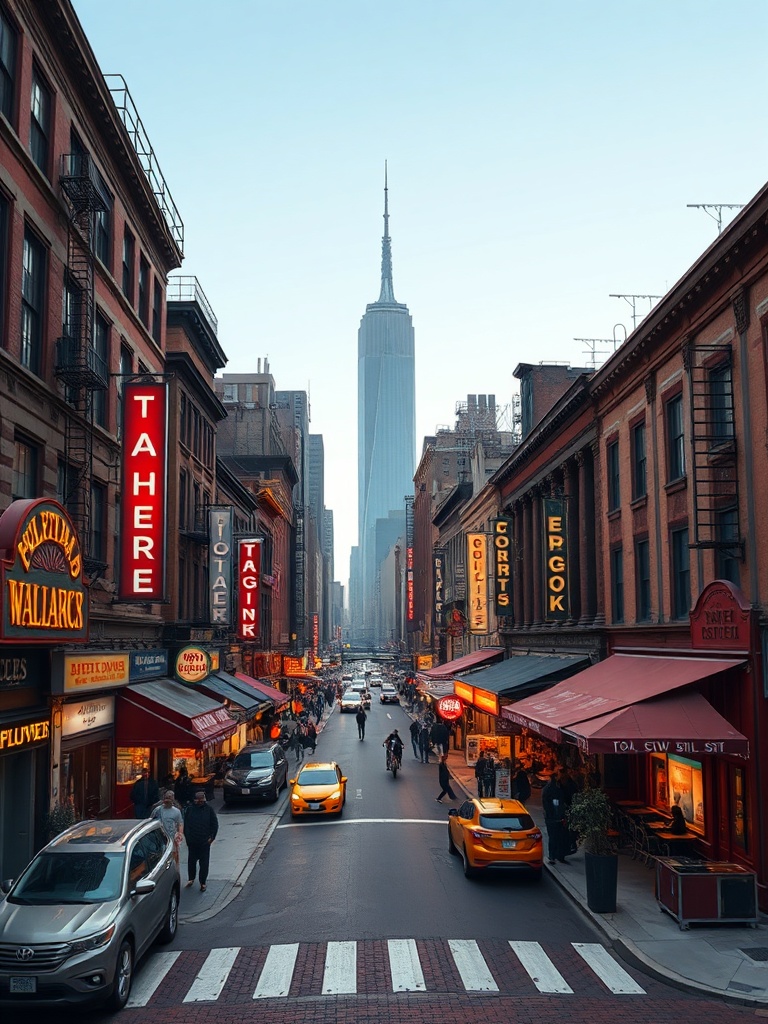
The Meatpacking District frequently hosts fashion events, art openings and seasonal pop-ups that draw both locals and visitors. Retailers and restaurants often launch new concepts here, so expect fresh experiences on each visit. Outdoor programming on the High Line and riverfront spaces keeps the public realm active through warmer months.
Whether you’re browsing galleries, enjoying a tasting menu, or simply soaking up the streetscape, the Meatpacking District offers a concentrated, stylish slice of the city. Its mix of historic character and contemporary energy makes it an essential stop for anyone looking to experience a neighborhood where past and present meet.