The Upper East Side remains one of the most recognizable and desirable neighborhoods in Manhattan, prized for its mix of cultural institutions, leafy streets, high-end shopping, and family-friendly pockets. Whether you’re a visitor planning a museum day or a resident weighing the pros and cons of moving here, the neighborhood offers layers of charm that balance classic New York elegance with evolving urban life.
Culture and green space
Stretching alongside Central Park, the Upper East Side is synonymous with Museum Mile, where world-class museums and galleries cluster within a short walk. This concentration makes the area ideal for leisurely, culture-focused days: start with an iconic collection, follow with a stroll through the park’s quieter paths, and finish at a cozy cafe or neighborhood bistro.
The park access is a major lifestyle draw, offering running routes, playgrounds, and tranquil spots that feel removed from Manhattan’s bustle.
Shopping and dining
Madison and Third Avenues showcase a mix of international boutiques, independent shops, and specialty stores. Luxury flagships sit alongside local designers and artisans, making the neighborhood a refined shopping destination. The restaurant scene blends old-school establishments with newer concepts—there’s a spectrum from intimate, European-style cafes to contemporary American tasting rooms. Neighborhood dining has broadened to include more casual, family-oriented options and elevated takes on global cuisines, so residents can enjoy everything from a quick brunch to a refined celebratory meal.
Residential character and real estate
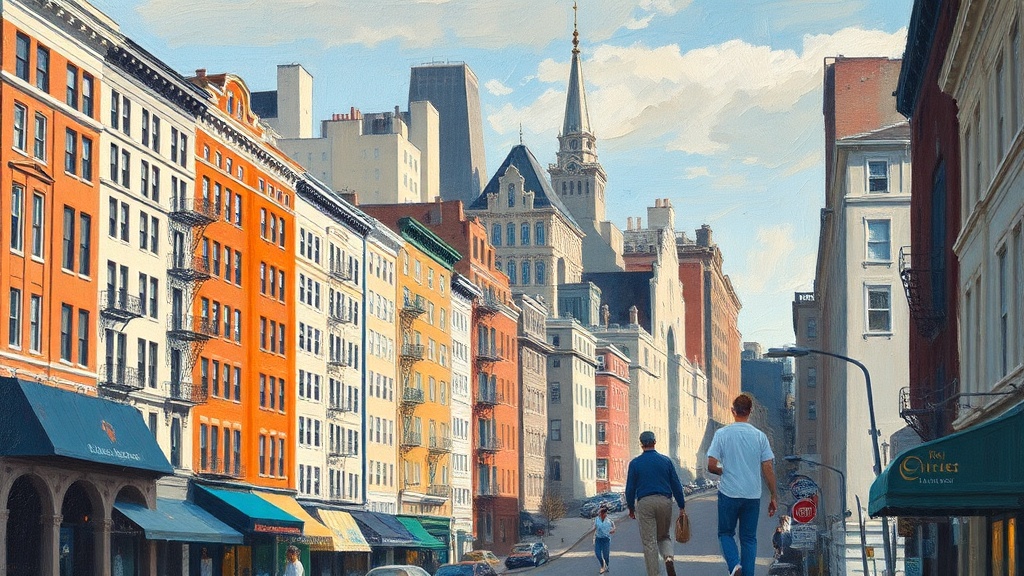
The architectural variety is part of the area’s allure.
Elegant brownstones and townhouse-lined streets create a residential feel in certain blocks, while historic co-op buildings and modern condominiums offer different ownership and lifestyle choices.
Many buildings feature doormen and concierge services, and tree-lined streets provide a quieter vibe than more commercial parts of the city. For buyers and renters, priorities often center on proximity to parks, schools, and transit, as well as building amenities and storage—factors that influence long-term comfort and convenience.
Family life and education
The Upper East Side is known for strong educational options, with a wide range of public, private, and specialized schools nearby. Playgrounds, family workshops at museums, and community programming contribute to an active neighborhood life for families. Blocks close to green spaces naturally attract those looking for a child-friendly environment without sacrificing urban amenities.
Transportation and connectivity
The neighborhood’s transit access is efficient for both crosstown and north-south travel. Subway lines along Lexington and avenues farther east provide straightforward routes into Midtown and other boroughs. Buses and Citi Bike stations make short hops convenient, while plenty of pedestrian-friendly streets invite walking as a preferred way to explore.
Practical tips for exploring
– Plan museum visits early in the day to avoid peak crowds and to leave time for a park walk afterward.
– Discover side streets between Fifth and Park Avenues for quieter residential architecture and hidden cafes.
– For shopping, stroll Madison Avenue for upscale finds and wander toward the avenues for neighborhood boutiques.
– If moving, visit apartments at different times of day to get a sense of noise, light, and neighborhood rhythm.
The Upper East Side continues to balance tradition with subtle change, preserving its reputation as a cultured, comfortable corner of the city while adapting to contemporary tastes.
Whether you’re drawn by the museums, the park access, or the classic streetscapes, it’s a neighborhood that rewards slow discovery.