The Lower East Side pulses with a mix of history, food, art, and nightlife that keeps both longtime locals and curious visitors coming back.
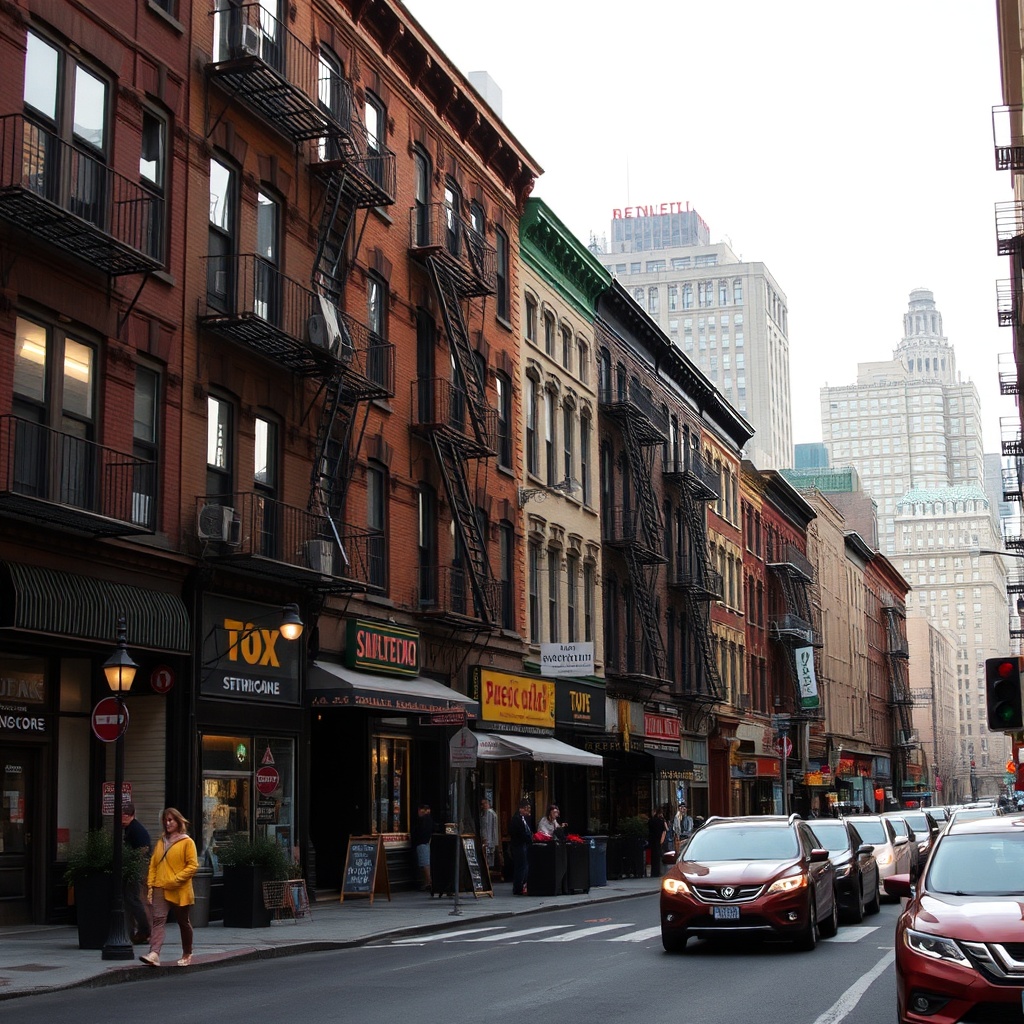
Once a dense immigrant enclave, the neighborhood now balances preserved cultural landmarks with a rotating crop of chef-driven restaurants, indie galleries, and small businesses that give the area its distinct edge.
Food and markets anchor the LES experience.
Essex Market remains a go-to for everything from specialty groceries and international bites to chef pop-ups and seasonal vendors. Nearby storefronts serve as incubators for ambitious cooks: classic delis stand alongside ramen shops, modern Jewish bakeries, and inventive cocktail bars. For a true neighborhood taste test, stroll the blocks off Orchard and Ludlow where you’ll find old-school counters, late-night slices, and modern tasting menus within a few minutes’ walk.
Art is visible on every corner. Galleries showcase emerging artists in intimate spaces and experimental shows spill into performance venues and bars. Public murals and rotating pieces on prominent walls create an open-air gallery that evolves constantly, making each walk through the neighborhood feel like a mini discovery. For a deep dive into the area’s past, museums and walking tours trace the stories of immigrant life, labor history, and the tenement experience — a reminder of the cultural layers beneath the current bustle.
Nightlife in the Lower East Side mixes dive bars, speakeasies, and music venues with a lively late-night food scene. Intimate venues host indie bands and DJ sets, while cocktail bars focus on craft and seasonal ingredients. The vibe tilts more neighborhood-friendly than overly polished, which helps maintain a sense of authenticity even amid changing storefronts.
Small businesses shape the neighborhood’s character. Vintage shops and independent boutiques sit next to family-run bakeries and specialty grocers. Community organizations and local activists remain visible, advocating for affordable housing and support for legacy businesses as development and rising rents change the landscape.
This tension—between preservation and change—is part of the LES story and prompts thoughtful conversations about urban growth and cultural continuity.
Practical tips for exploring:
– Start at a market to sample local vendors and grab coffee before walking the neighborhood.
– Take a guided walking tour or museum visit to understand the layers of immigration and labor history.
– Explore galleries on quieter side streets and check venue calendars for live music or openings.
– Save room for a late-night bite; many of the best neighborhood eats operate into the small hours.
– Keep an eye on small storefronts—some of the most memorable finds are family-run or pop-up operations with limited run menus or products.
Getting around is easy on foot, and the area’s compact blocks make it ideal for aimless wandering: alleyways, stoops, and corner shops often reveal unexpected scenes. Whether you’re after a decade-old deli counter, a cutting-edge art show, or a quiet bar that feels like a local secret, the Lower East Side continues to deliver a layered, walkable urban experience that rewards curiosity and good timing.