The Meatpacking District is one of the city’s most compelling examples of urban reinvention — where cobblestone streets and industrial architecture meet high-fashion boutiques, cutting-edge restaurants, and a lively nightlife scene. Once known for slaughterhouses and packing plants, the neighborhood now draws visitors seeking design, dining, and culture, while retaining a gritty, authentic texture that sets it apart.
What to see and do
– Walk the High Line: The elevated park skirts the northern edge of the district and provides a unique vantage point over the restored warehouses, the Hudson River, and public art installations.
The elevated greenway is a peaceful way to get oriented and spot changing city views.
– Explore Chelsea Market and Gansevoort Market: Food halls and specialty markets offer a range of tastes — from artisanal pastries and global street food to specialty coffee and craft cocktails.
These indoor marketplaces are perfect for sampling multiple vendors in one visit.
– Shop and browse: The area is home to flagship stores, independent boutiques, and designer showrooms. Expect a curated mix of fashion, home goods, and beauty outposts alongside concept stores and pop-ups that change regularly.
– Experience nightlife and dining: The district has a reputation for late-night energy and rooftop bars, but its scene also includes intimate cocktail lounges and acclaimed farm-to-table restaurants. Reservations are recommended for popular spots, especially on weekends.
– Visit nearby cultural venues: Museums and galleries cluster close by, making it easy to combine an afternoon of art with an evening out.
Galleries often host openings and events that attract a style-conscious crowd.
Architecture and atmosphere
The neighborhood’s low-rise brick buildings, iron-framed windows, and preserved cobblestones tell a story of industrial heritage. Adaptive reuse has converted former packing plants into sleek retail, hospitality, and office spaces while zoning protections and design guidelines help maintain the district’s historic character.
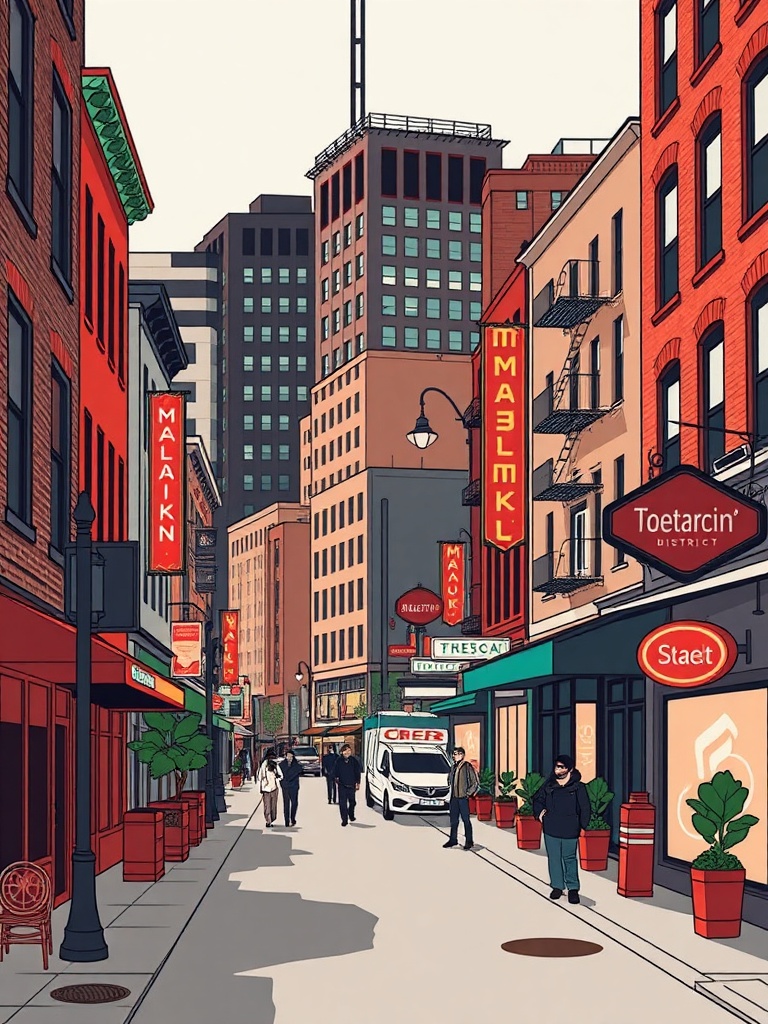
The contrast between old and new — warehouse facades next to glass storefronts and modern interventions — creates a distinctive urban aesthetic.
Practical tips for visitors
– Wear comfortable shoes: Cobblestone streets are charming but uneven. Walking is the best way to absorb the neighborhood’s character.
– Time your visit: Weekday afternoons are quieter for shopping and sightseeing; evenings and weekends are livelier for dining and nightlife.
If you prefer a less crowded stroll on the High Line, opt for early morning.
– Reservations and planning: Popular restaurants and rooftop bars get busy.
Book ahead or arrive early to avoid long waits.
– Respect residents and neighbors: The district blends commercial vibrancy with residential life. Keep noise and litter to a minimum, and follow posted rules in parks and public spaces.
– Get around sustainably: The area is highly walkable and well served by public transit and bike lanes. Rideshares are available but traffic can be heavy during peak hours.
Why it matters
The Meatpacking District showcases how careful design, adaptive reuse, and a commitment to cultural programming can transform an industrial zone into a dynamic urban neighborhood without losing its unique identity.
Whether you’re drawn by shopping, dining, art, or simply a memorable stroll, the district offers a layered experience that rewards exploration.
Plan a route that mixes well-known destinations with quieter side streets: that’s where the most rewarding discoveries often appear.