The Meatpacking District remains one of the city’s most compelling micro-neighborhoods: a tight cluster of cobblestone streets, converted factories, and a mix of culture, dining and nightlife that rewards exploration.
Once defined by slaughterhouses and industrial activity, the area has undergone a striking transformation to become a magnet for food lovers, fashion shoppers, art fans and urban explorers.
What to see and do
– Walk the High Line: The elevated park threads through the neighborhood and offers unique views of the Hudson River, public art, and landscaped seating areas. Walking the High Line connects the Meatpacking District to nearby Chelsea and provides a relaxed way to see the changing skyline.
– Visit Chelsea Market: A bustling indoor food hall and market, it’s an easy stop for artisan foods, specialty shops, and casual dining.
Pick up a fresh pastry, explore international stalls, or shop for gourmet gifts.
– Explore contemporary art: The district’s cultural institutions and galleries showcase rotating exhibitions and contemporary work.
Gallery hopping and museum visits add a quieter contrast to the area’s lively streets.
– Shop and browse: Designer boutiques, concept stores and independent brands have set up shop alongside preserved industrial architecture, creating an appealing mix for shoppers who want something unique.
– Nightlife and dining: From acclaimed restaurants and seafood counters to rooftop bars and intimate cocktail lounges, the dining scene is varied. The neighborhood’s nightlife blends upscale cocktail culture with late-night eats and music venues.
Why the neighborhood works
Adaptive reuse is central to the area’s appeal.
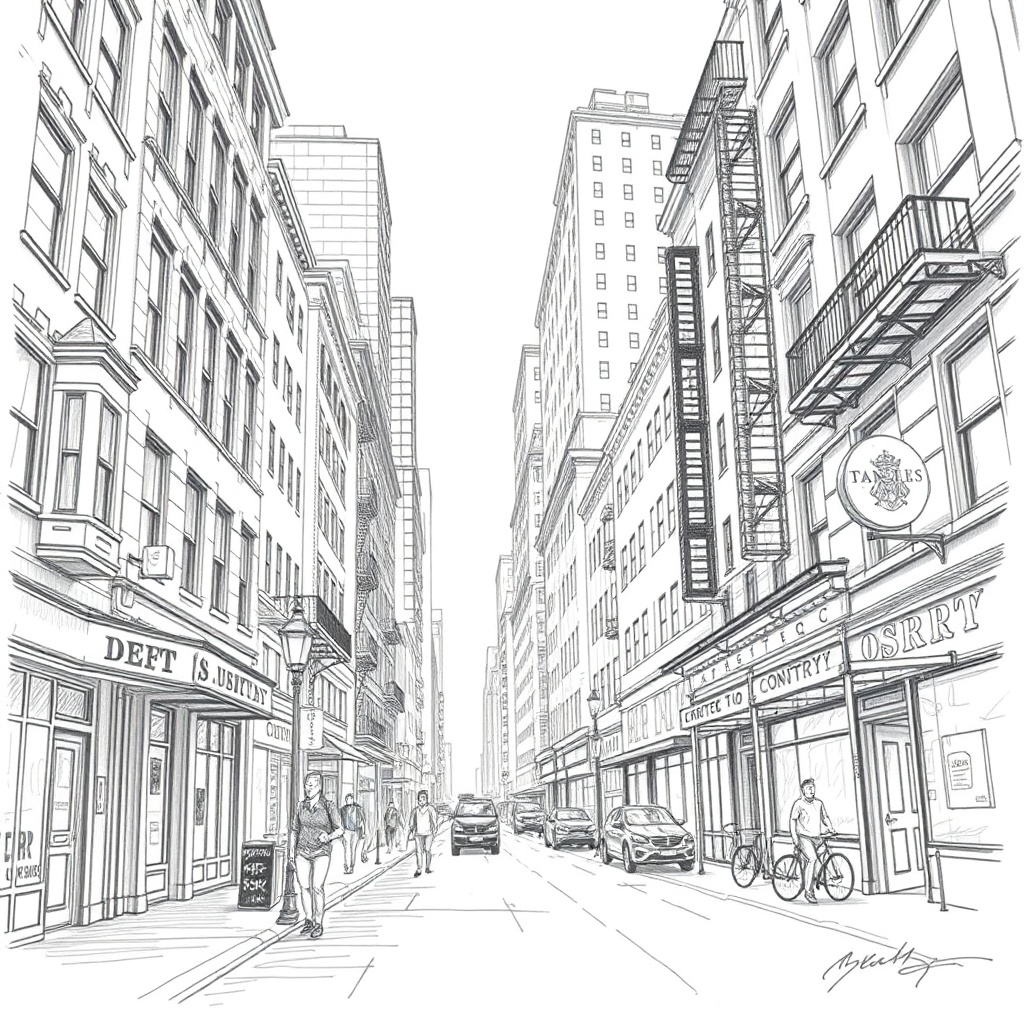
Old warehouses and packing plants were repurposed into sleek retail spaces, restaurants and cultural venues while preserving historic cobblestone streets and brick facades. That layering — industrial bones with contemporary design — produces a distinctive atmosphere that’s both photogenic and functional.
Practical tips for visitors
– Timing: The area is lively throughout the day, but visiting the High Line during sunset and dining after dark gives two very different vibes — skyline views by evening and buzzed-about restaurants at night.
– Reservations: Popular restaurants and rooftop bars can fill quickly; reservations or a flexible schedule help avoid long waits.
– Footwear: Cobblestones and uneven sidewalks call for comfortable, stable shoes.
– Off-peak exploration: Weekday middays are often quieter at market stalls and galleries; weekends bring more energy and more crowds.
– Check events: The neighborhood frequently hosts pop-ups, exhibitions and special dining events. A quick online check before you go can turn a regular visit into a memorable one.
Sustainability and public life
Green spaces, pedestrian-friendly design and adaptive architecture contribute to a walkable environment that favors public life. Newer cafés, markets and cultural spots tend to emphasize local sourcing, seasonal menus and curated goods, which aligns with broader urban sustainability trends.
For planners and curious visitors alike, the Meatpacking District serves as a strong example of how historic industrial neighborhoods can be reimagined while retaining character. Whether your interest is art, food, fashion or just a well-composed city walk, the district delivers a compact but rich urban experience.