Central Park remains one of the world’s most visited urban green spaces, offering a mix of iconic landmarks, quiet nature, and year-round programming that appeals to locals and visitors alike. Whether you’re planning a first visit or looking for new ways to explore, here’s a practical guide to getting the most out of a day in the park.
What to see and where to go
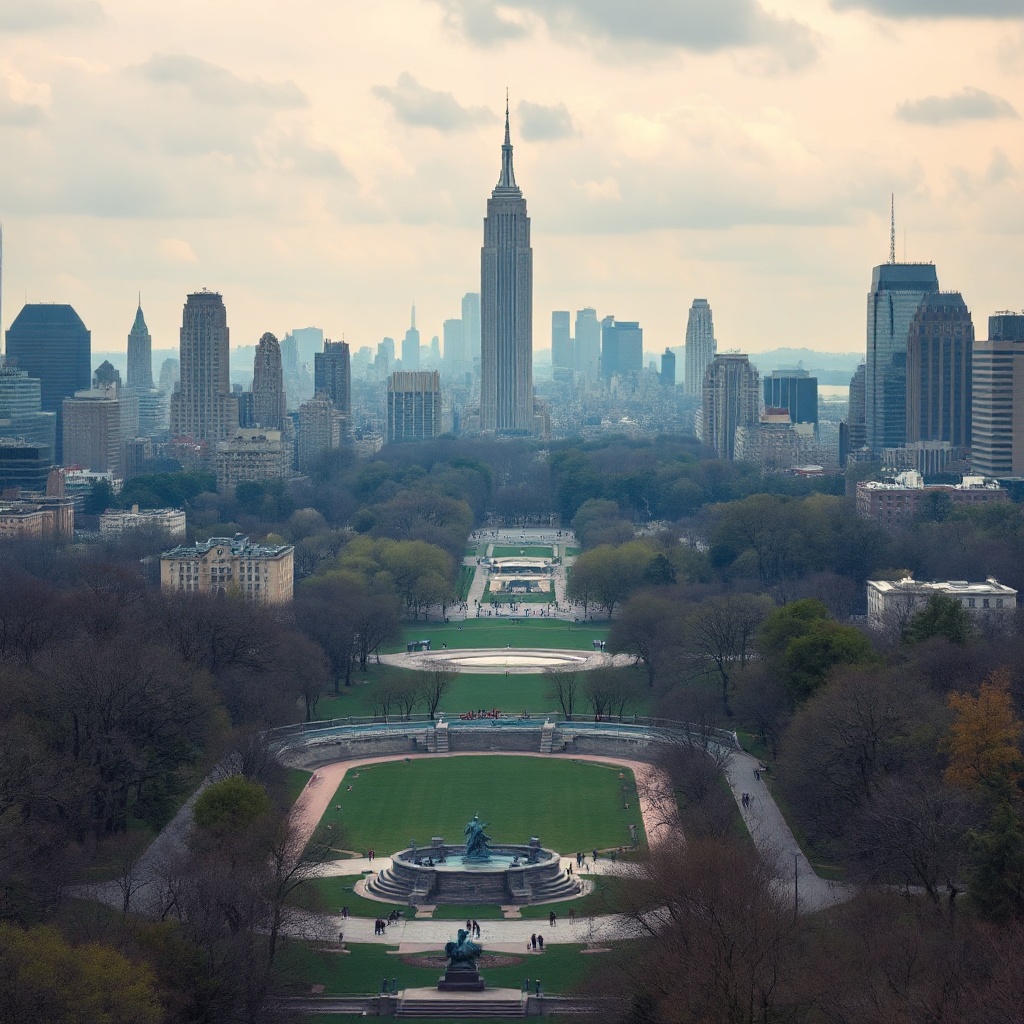
– The Mall and Literary Walk: A broad, tree-lined promenade famous for its American elms and street performers. It leads to Bethesda Terrace and the impressive Bethesda Fountain.
– Bow Bridge and The Lake: One of the most photographed spots, great for romantic strolls and rowboat photos from the nearby Loeb Boathouse.
– The Ramble: A 36-acre woodland designed for birdwatching and wandering. Bring binoculars—migrating and resident species are easy to spot among winding trails.
– Strawberry Fields: The peaceful memorial near West 72nd Street dedicated to a celebrated musician.
It’s a reflective spot often accompanied by live acoustic music.
– Conservatory Garden: A formally designed garden with distinct formal, Italian, and English sections; a quieter alternative to the park’s busiest areas.
– Belvedere Castle and the Reservoir: Offers elevated views across the park and the skyline. The Reservoir’s running track is popular with joggers who appreciate uninterrupted laps and scenic views.
– North End and Harlem Meer: Less crowded regions with more nature-focused experiences and a relaxed atmosphere.
Activities and experiences
– Picnics and sunbathing on Sheep Meadow or the Great Lawn are perennial favorites—bring a blanket and expect a lively atmosphere on warmer days.
– Rowboat rentals are available seasonally at the Loeb Boathouse; model boats sail on Conservatory Water.
– Free and ticketed performances: outdoor concerts, theater in the park, and family programming pop up throughout the warmer months—check listings before you go.
– Biking and running: Designated loop paths and perimeter drives accommodate cyclists and runners; bike rentals can be found nearby.
– Family attractions: The Central Park Zoo, Tisch Children’s Zoo, and the classic carousel offer child-friendly entertainment.
Practical tips
– Hours and access: The park is open daily from early morning until late at night, with multiple entrances along its perimeter. Use major entry points like Columbus Circle, Fifth Avenue, and the 72nd Street transverse for easy navigation.
– Getting there: Well served by public transit from Manhattan and beyond—plan to use nearby subway or bus stops and walk in from the nearest entrance.
– Safety and rules: Keep valuables secure, follow posted signs, stay on paths where directed, leash dogs except in designated dog runs, and respect wildlife and plantings.
– Apps and maps: Download the official park map or the Central Park Conservancy app for real-time trail maps, points of interest, and event calendars.
– Accessibility: Many major promenades and attractions are wheelchair accessible; check the Conservancy site or app for specific access routes and services.
Conservation and stewardship
The park’s upkeep relies on a public-private partnership that focuses on restoration, native plantings, stormwater management, and sustainable landscaping. Volunteer opportunities and donor-funded projects help maintain lawns, gardens, and recreational facilities, so consider joining a clean-up or contributing to keep the park healthy for future visitors.
Central Park offers something for everyone: iconic views and hidden corners, active recreation and quiet reflection. With a little planning and respect for the park’s rules, a visit can be a memorable highlight of any city stay or a restorative escape from urban life.