Harlem remains one of the city’s most magnetic neighborhoods, blending deep cultural roots with an ever-evolving creative energy. Known as a cradle of Black art, music, and intellectual life, Harlem invites visitors and locals alike to explore its streets, savor its food, and experience performances that continue to shape popular culture.
A legacy of artistic innovation runs through Harlem. The neighborhood’s storied venues host jazz and gospel performances that honor a lineage of musicians and singers who defined major American music movements. The Apollo Theater still draws crowds for star-studded shows and its famous Amateur Night, while smaller clubs and listening rooms offer intimate jazz sets and experimental sounds. Church services on Sunday mornings deliver powerful gospel music that is as much a cultural event as a spiritual one.
Harlem’s culinary scene is a dynamic mix of time-honored soul food and new culinary voices. Legendary eateries serve recipes handed down through generations, offering classics that visitors seek out for an authentic taste of the neighborhood.
Alongside these institutions, a growing number of chefs and bakers are reinventing comfort food with seasonal produce and diverse influences. Food halls and weekly markets showcase local vendors, making it easy to sample a range of flavors in one outing.
Art and public culture are visible at every turn. Galleries and community arts spaces highlight the work of artists of African descent and local creatives, while murals and public art projects celebrate neighborhood history and contemporary identity. Cultural centers and museums present rotating exhibitions, artist talks, and workshops that are accessible to a broad audience, fostering connections between artists and the community.
Like many vibrant urban neighborhoods, Harlem is navigating change. New residential and commercial development appears alongside long-standing businesses, prompting conversations about preservation, affordability, and cultural stewardship. Community organizations and local leaders are active in shaping development to protect affordable housing, support small businesses, and safeguard cultural landmarks.
For visitors, contributing to this effort can be as simple as choosing locally owned restaurants, galleries, and shops.
Practical tips for experiencing Harlem:
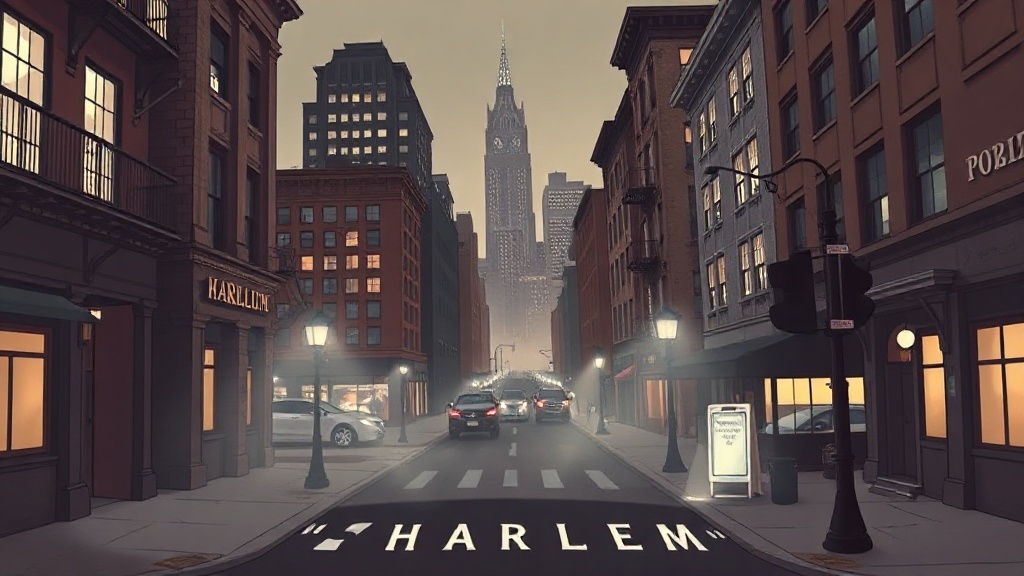
– Start with a walking tour to get oriented: architecture, historic brownstones, and iconic blocks tell the neighborhood’s story.
– Check performance schedules for the Apollo and local jazz clubs; catching an evening show is a memorable way to connect with the music scene.
– Visit on a Sunday morning for gospel service or afternoon for a relaxed brunch—both are culturally rich experiences.
– Explore galleries and pop-up exhibitions; many offer free or donation-based entry and host community events.
– Shop at local markets and boutiques to support neighborhood entrepreneurs who keep Harlem’s creative economy thriving.
Harlem’s appeal lies in its layers: history and innovation coexist, creating a neighborhood that is both rooted and forward-looking.
Whether drawn by music, food, art, or community life, visitors will find a place where cultural expression remains vital and where every street corner can reveal a new story.
Take the time to explore thoughtfully, support local institutions, and let Harlem’s rhythms shape your experience.