Penn Station remains at the heart of New York’s transit ecosystem — a high-traffic crossroads where long-distance rail, regional commuter lines and city transit meet. For many travelers, it’s the first and last impression of the city, so recent upgrades and ongoing improvements aim to make that experience smoother, safer and more comfortable.
What to expect on arrival
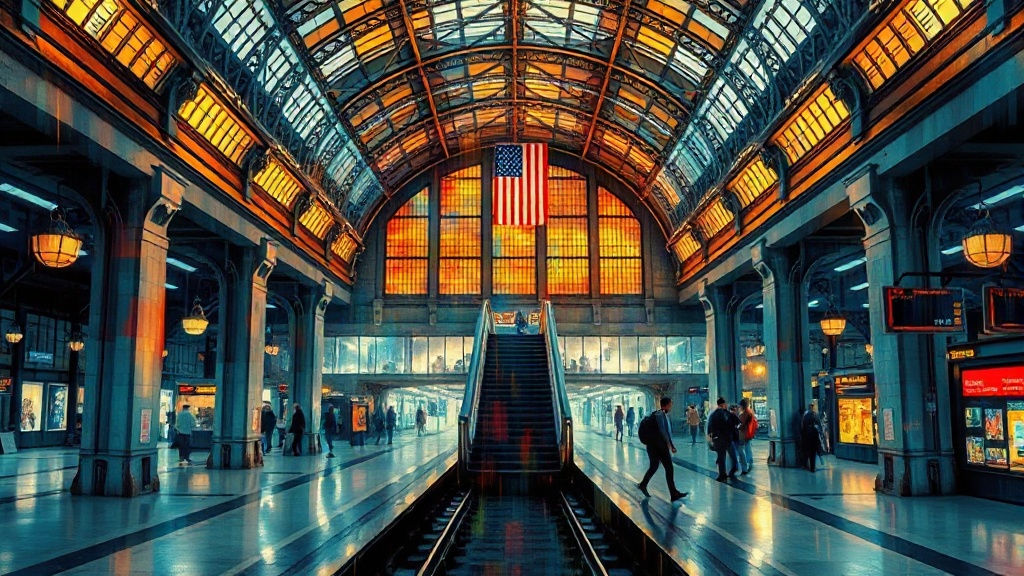
Expect crowds during weekday rush hours and before big events at the adjacent arena. Signage and digital departure boards are plentiful but can feel overwhelming; check your carrier’s app (Amtrak, NJ Transit, Long Island Rail Road) for platform assignments before you arrive. If you prefer a more spacious waiting area, consider entering through the nearby train hall extension, which offers natural light, higher ceilings and upgraded seating compared with the older concourses.
Connections and transit options
Penn Station links to an array of transit modes: intercity and regional trains, multiple subway lines right at the complex, commuter rails on both sides of the Hudson with nearby access to rapid-transit PATH trains, and abundant bus, taxi and ride-hail options at street level. Bike-share docks and bike lanes in the vicinity also make it practical to combine cycling with rail travel. For a seamless trip, route-planning apps that combine schedules across carriers are particularly helpful.
Navigating crowds and time-saving tips
– Allow extra time: Even when you’re familiar with the layout, platform changes and security screening can add minutes.
– Know your carrier’s gate rules: Some services close boarding earlier than others.
– Use less-congested entrances: Side entrances and nearby train hall entrances often move more quickly than the main concourse doors.
– Pack light for stairs and busy platforms: Elevators are available but can be slower during peak periods.
– Grab essentials before boarding: Food kiosks, coffee and convenience shops are plentiful; quick grab-and-go options reduce time spent hunting for meals between connections.
Accessibility and passenger comfort
Accessibility upgrades have been a priority, with more elevators, clearer tactile pathways and enhanced signage. Customer service booths and station staff are positioned to assist with directions and mobility needs. If you require assistance, contact your rail carrier in advance to arrange help from curbside to train.
Retail, dining and amenities
The station’s retail offerings have shifted toward convenience and speed: coffee shops, fast-casual restaurants, newsstands and retail outlets designed for travelers on the move. There are also quieter seating areas and charging stations sprinkled throughout, though outlets can fill up fast during peak periods.
Safety and security
Visible security presence and surveillance are part of daily operations. Stay aware of your belongings, follow posted safety notices and use official channels for lost-and-found inquiries. For real-time alerts, sign up for service notices from your carrier or follow official station accounts on social platforms.
What’s next for the hub
Ongoing modernization efforts focus on passenger flow, improved lighting and ventilation, better digital wayfinding, and a more cohesive retail and public space strategy. These changes aim to ease daily congestion and create a better first impression for visitors while preserving the vital transit capacity that keeps the city moving.
Whether you’re a daily commuter or an occasional visitor, preparing ahead — checking schedules, choosing less-crowded entrances and traveling light — will make passing through this major transit hub faster and less stressful. Keep an eye on official service alerts and carrier apps for the latest platform and schedule updates when planning your trip.