Meatpacking District: Where Industrial Grit Meets Chic Culture
The Meatpacking District is a compact neighborhood known for its mix of historic character and contemporary culture. Once dominated by slaughterhouses and meat distribution, the area has been reshaped through adaptive reuse, turning former warehouses and cobblestone streets into a destination for dining, shopping, art, and nightlife.
What to See and Do
– Walk the High Line: The elevated park runs along the northern edge of the district, offering unique views, public art, and landscaped paths that pair perfectly with a stroll through the neighborhood.
– Visit the Whitney Museum: Focused on modern and contemporary American art, the museum anchors the area and hosts rotating exhibitions and events that draw both locals and visitors.
– Explore Chelsea Market and Nearby Food Halls: Indoor markets and artisan food halls provide everything from gourmet sandwiches and seafood to international street food. They’re great for casual meals or sampling multiple small bites.
– Window-shop Boutiques: Luxury labels and independent designers share space with concept stores. The shopping scene blends high-end retail with curated fashion finds and home goods.
– Nightlife and Rooftop Bars: A lively nightlife scene features intimate lounges, dance clubs, and rooftop bars with skyline views. Dress codes vary—many venues favor upscale casual.
Where to Eat
Dining in the Meatpacking District ranges from celebrity-chef restaurants to late-night comfort food. Look for places that emphasize seasonal menus, sustainably sourced ingredients, and inventive cocktails. Outdoor seating and sidewalk cafés are popular during warmer months, while many restaurants offer private dining or chef’s-tasting experiences for special occasions.
Culture and Events
Art openings, gallery walks, and pop-up events occur frequently, creating a dynamic cultural calendar. Fashion-related events and influencer-driven activations also take place, reinforcing the area’s reputation as a style hub. Community-driven markets and food pop-ups add local flavor and a chance to discover emerging chefs and artisans.
Architecture and Character
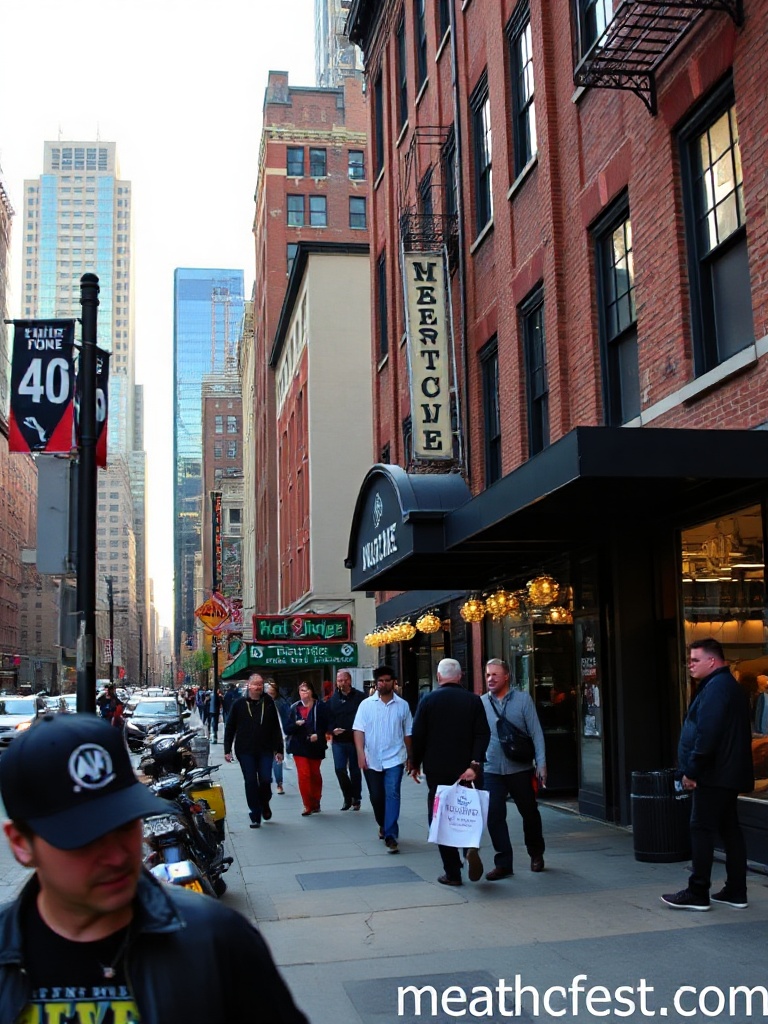
Cobblestone streets and brick facades preserve the neighborhood’s historic vibe, while glass-fronted galleries and contemporary buildings add contrast. Adaptive reuse—converting industrial buildings into offices, residences, and retail—keeps the architectural landscape interesting and walkable.
Practical Tips
– Best Times to Visit: Weekdays and early afternoons tend to be less crowded than evenings and weekend nights. For a scenic walk without heavy foot traffic, aim for morning or late afternoon.
– Getting There: Several subway lines and bus routes serve the surrounding streets.
Rideshare and bike-share are convenient for short trips; many streets are best explored on foot.
– Safety and Comfort: Cobblestones can be uneven—wear comfortable shoes.
Keep an eye on personal belongings in busy areas and follow any local guidelines for venue entry.
– Accessibility: Many newer venues and public spaces are ADA-accessible, but older buildings with historic elements may have limited accessibility. Check ahead for specific accommodations.
Why Visit
The Meatpacking District offers a concentrated mix of culture, cuisine, and nightlife in a small, walkable area.
It’s ideal for visitors who want an energetic urban experience with architectural charm and a curated selection of shops and restaurants. Whether exploring galleries, sipping cocktails on a rooftop, or enjoying a meal at a renowned restaurant, the neighborhood provides a distinct blend of past and present that keeps people coming back.