Tribeca balances polished luxury with a lived-in, artistic past, making it one of the city’s most compelling neighborhoods to explore. Once a gritty industrial waterfront, the area is now known for its converted lofts, cobblestone streets, upscale eateries, and a creative energy that attracts families, professionals, and visitors alike.
What to see and do
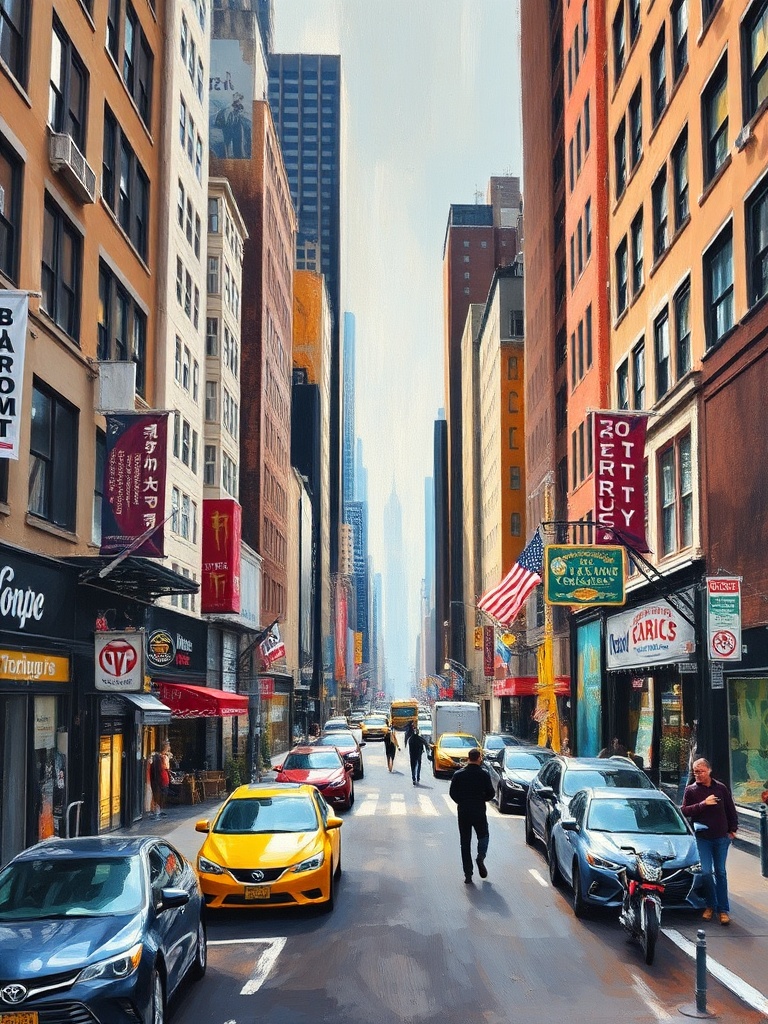
Walking is the best way to get a feel for Tribeca. Stroll through tree-lined blocks to spot cast-iron façades, grand warehouse conversions, and private courtyards tucked behind historic buildings. Washington Market Park and pocket greens provide leafy respite, while the nearby waterfront esplanade offers expansive views and bike-friendly paths.
Galleries and independent boutiques dot the neighborhood, making it easy to weave shopping and art into a relaxed itinerary.
Dining and nightlife
Tribeca’s dining scene ranges from neighborhood comfort food to refined tasting menus.
Many landmark restaurants have helped define the area’s culinary reputation, and new chef-driven spots continue to open. Brunch is a local ritual on weekends, while intimate tasting rooms and wine bars set the tone for evening plans. Reservations are recommended for popular dining spots, and many restaurants offer seasonal or locally sourced menus that reflect current culinary trends.
Culture and events
Tribeca hosts vibrant cultural programming that attracts both locals and visitors. Film and arts events draw attention to independent voices while neighborhood fairs and outdoor markets create a strong community vibe. The area’s history as a creative hub remains visible in its theaters, galleries, and performance spaces, where emerging artists often share the stage with established names.
Real estate and lifestyle
Authentic lofts and stylish condominiums define Tribeca’s residential character. High ceilings, exposed brick, and large windows are hallmark features that appeal to design-minded residents.
The neighborhood is also known for excellent schools, boutique fitness studios, and family-friendly amenities, making it appealing to young families as well as singles and empty-nesters seeking an urban lifestyle with quieter streets than some downtown districts.
Practical tips for visitors
– Walk comfortable shoes: cobblestones and historic sidewalks are charming but uneven.
– Make reservations: sought-after restaurants and weekend brunch spots fill up quickly.
– Explore on foot: many of Tribeca’s best discoveries—hidden courtyards, small galleries, artisanal shops—are off the main avenues.
– Check event calendars: film screenings, block fairs, and pop-up markets can shape a trip, so plan around any neighborhood happenings.
– Public transit and biking: the neighborhood is well connected by subway, buses, and bike lanes, and ferries provide a scenic alternative if you’re approaching from across the river.
Why Tribeca stands out
Tribeca’s appeal comes from its balance of history and refinement.
The neighborhood has kept an authentic urban texture while evolving into a polished residential and cultural enclave.
Whether you’re seeking a memorable meal, an art-focused afternoon, or simply a quiet stroll among historic buildings and modern amenities, Tribeca offers an approachable, sophisticated slice of city life.
For planners, food lovers, and culture seekers, Tribeca is more than a destination—it’s a neighborhood that rewards slow exploration, with small discoveries around nearly every corner.