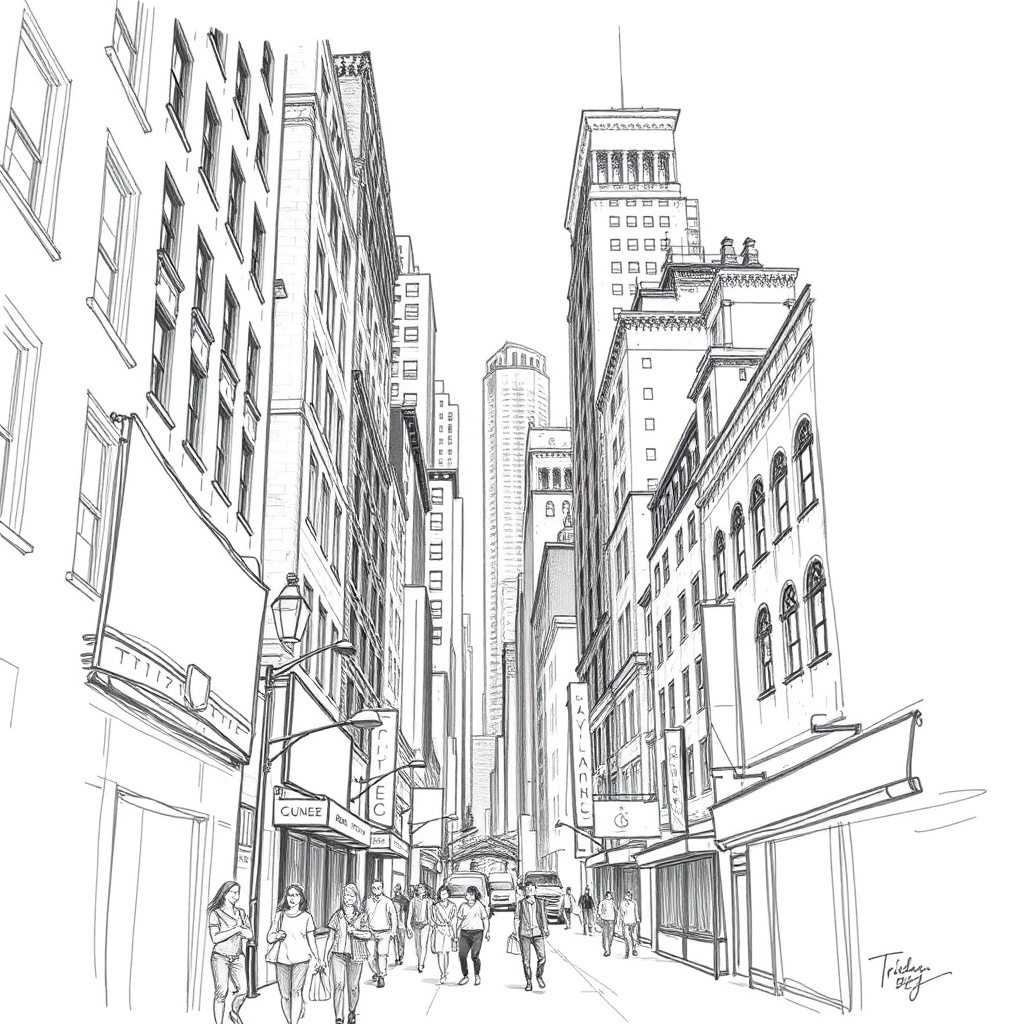
Tribeca remains one of the most desirable neighborhoods in lower Manhattan, prized for its cobblestone streets, cast-iron architecture, and quiet, residential feel that sits surprisingly close to the Hudson River. Originally an industrial zone of warehouses and shipping lofts, the area has evolved into a vibrant mix of luxury residences, boutique shops, and creative spaces while retaining a distinct neighborhood character.
What to see and do
A simple walk through Tribeca reveals much of its charm: converted lofts with oversized windows, hidden gardens, and tucked-away cafes. Galleries and art spaces pepper the neighborhood, making it an appealing destination for art lovers who want to browse contemporary exhibitions without the crowds of Midtown museums. The waterfront parks along the Hudson offer wide promenades, bike paths, and scenic sunset views that attract runners, families, and photographers.
Food and nightlife
Tribeca’s dining scene balances high-end tasting menus with neighborhood favorites. Michelin-starred chefs and inventive small restaurants share blocks with classic bistros, pizza shops, and cozy brunch spots. Wine bars and cocktail lounges create an inviting after-hours scene, though the neighborhood retains a quieter nighttime vibe compared with nearby downtown districts.
For food lovers, exploring side streets often reveals seasonal pop-ups and chef-driven concepts worth seeking out.
Family life and community
Tribeca is known for being family-friendly: playgrounds, reputable schools, and a strong sense of local community help explain why many families choose to live here. Weekly markets and community events bring residents together, and small local businesses—from bookstores to specialty grocers—help reinforce a neighborhood feel that contrasts with its luxury real estate profile.
Real estate and living
Lofts and converted industrial buildings are signature offerings in Tribeca’s real estate market. High ceilings, exposed brick, and open layouts appeal to buyers seeking character, while new developments deliver modern amenities and full-service living. Demand tends to be steady, driven by people who value both the tranquility of side streets and quick access to downtown workplaces and transit. For renters and buyers alike, patience and local market knowledge remain important when navigating listings.
Cultural highlights
The neighborhood is synonymous with a celebrated film festival that draws filmmakers, industry professionals, and cinephiles for a seasonal program of premieres, panels, and neighborhood screenings.
Beyond large events, Tribeca hosts smaller cultural happenings—gallery openings, local theater productions, and pop-up performances—that keep its creative scene active throughout the year.
Practical tips for visitors
– Explore on foot to appreciate the architecture and hidden corners; bring comfortable shoes for cobblestones.
– Reserve tables at sought-after restaurants ahead of time, especially for weekend evenings.
– Combine a Tribeca walk with a Hudson River waterfront stroll to maximize scenic variety.
– Check local listings for gallery openings and neighborhood markets to catch community events.
Why Tribeca still matters
Tribeca strikes a rare balance: it’s both a quiet residential haven and a cultural hub with an international reputation.
Whether you’re scouting a place to live, planning a weekend itinerary, or simply curious about one of Manhattan’s most textured neighborhoods, Tribeca offers plenty of layers to discover—from historic industrial roots to contemporary dining, family-friendly streets, and a lively arts ecosystem that keeps the neighborhood feeling fresh and inviting.