Upper East Side: guide to the neighborhood’s best museums, shopping, dining, and hidden corners
The Upper East Side remains one of the city’s most distinctive neighborhoods, blending museum-grade culture, elegant residential blocks, and a lively dining and shopping scene. Whether you’re visiting for a quick museum crawl or scouting a new place to live, the neighborhood rewards slow exploration.
Culture and museums
Museum Mile along Fifth Avenue is a major draw: world-class institutions line the park-facing stretch, offering everything from encyclopedic collections to focused modern art. The Met anchors the corridor, while the Guggenheim’s spiraling galleries are a must for architecture and modern art enthusiasts.
Smaller but essential institutions round out the experience, making the Upper East Side a compact cultural itinerary within easy walking distance.
Parks and waterfronts
Central Park forms the neighborhood’s western edge, giving residents immediate access to jogging paths, playgrounds, and carriage-lined promenades. On the eastern side, the East River Esplanade and Carl Schurz Park provide quieter green space, picnic spots, and scenic river views. These parks are ideal for dog walkers, family outings, and anyone who wants a break from busy avenues without leaving the neighborhood.
Shopping and style
Madison and Lexington Avenues define the Upper East Side’s retail character.
Madison Avenue is synonymous with luxury boutiques and designer showrooms; Lexington and Third Avenue offer a mix of more approachable shops, specialty stores, and well-curated home and design galleries. Interior design showrooms and antique dealers make the area a destination for decorating inspiration.
Dining and neighborhood favorites
Dining ranges from refined, white-tablecloth experiences to cozy neighborhood bistros and bakeries. You’ll find Michelin-caliber restaurants alongside classic New York delis and longstanding local cafés. Weekend brunches are a neighborhood ritual; for quieter meals, head toward the side streets where small, chef-driven restaurants and intimate wine bars populate converted brownstones.
Living and real estate
Residential life centers on elegant prewar co-ops, landmarked townhouses, and newer luxury towers that offer full-service amenities.
The neighborhood attracts families drawn to the schools and green spaces, professionals seeking a quieter base with easy transit, and older residents who value long-standing community ties.
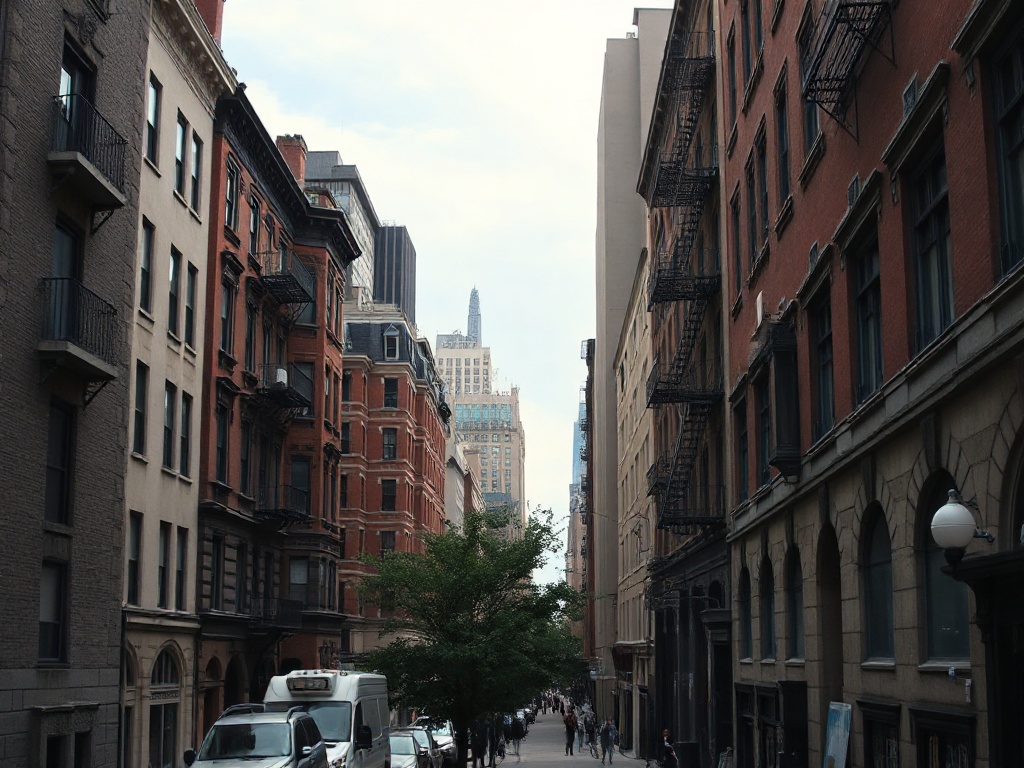
Expect well-maintained buildings, tree-lined blocks, and a streetscape that balances urban life with a residential feel.
Practical tips for visitors and newcomers
– Museum planning: buy timed-entry tickets and arrive early to avoid crowds; several institutions offer late openings on select evenings.
– Getting around: the area is highly walkable and served by a variety of transit options; cross-town buses and bike-share docks make east-west travel easier.
– Best times: weekday mornings tend to be less crowded for museums and popular restaurants; evenings bring a quieter, residential rhythm to the streets.
– Explore side streets: the real charm is often off the avenues—peek down brownstone-lined blocks to discover independent shops, galleries, and historic architecture.
Why the Upper East Side still matters
The Upper East Side retains a distinct identity—an urban neighborhood where cultural institutions, sophisticated shopping, and residential calm coexist. It’s a place that rewards both planned itineraries and aimless wandering: a museum visit can easily turn into a riverside walk and an impromptu coffee at a sunny corner table.
Whether you’re seeking art, architecture, or simply a beautiful block to call home, the neighborhood continues to offer a refined, approachable slice of city life.