Tribeca: Where Film, Food, and Industrial Charm Meet
Few neighborhoods blend creative energy, historic architecture, and upscale living as seamlessly as Tribeca. Originally an industrial district of warehouses and shipping lofts, it has transformed into one of the city’s most desirable neighborhoods while retaining cobblestone streets, cast-iron facades, and a strong sense of community. Whether visiting for the film festival or moving in for the family-friendly vibe, Tribeca offers a mix of attractions that appeal to locals and newcomers alike.
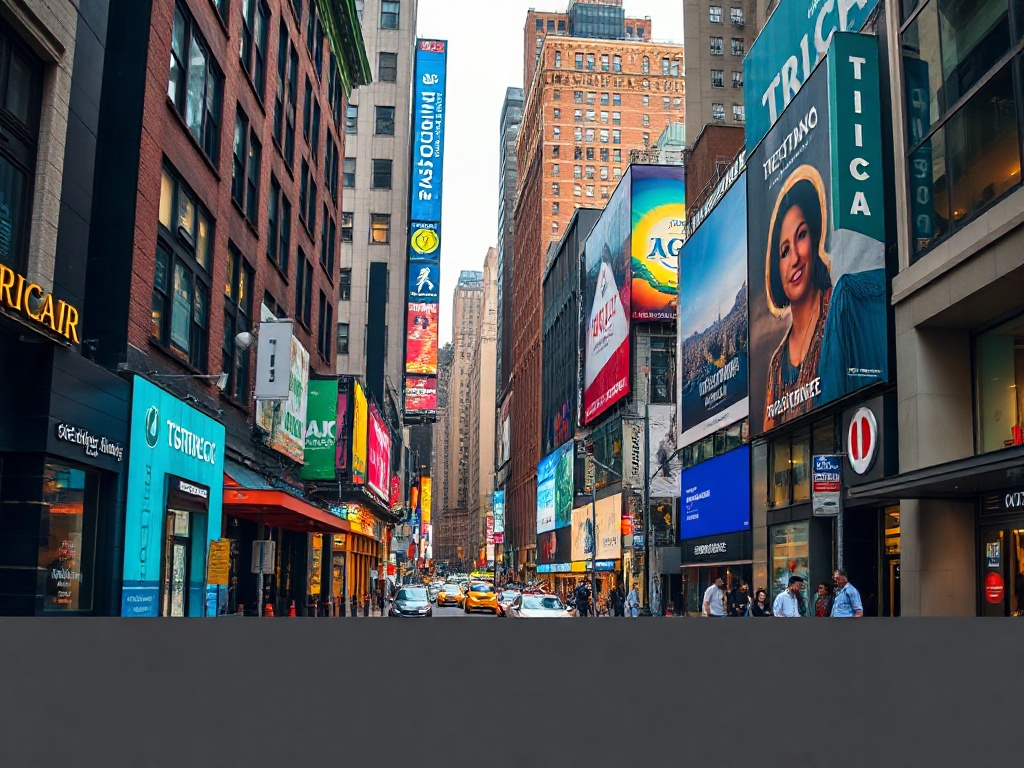
Why people come to Tribeca
Tribeca’s cultural pull is undeniable. The neighborhood hosts a major film festival that draws filmmakers, actors, and cinephiles from around the world, turning local venues into screening rooms and creating a lively, creative atmosphere. Outside festival season, independent cinemas, galleries, and event spaces keep the arts scene active.
Dining and nightlife
Dining in Tribeca ranges from inventive tasting menus to cozy neighborhood bistros. Chef-driven restaurants share blocks with longstanding neighborhood staples, offering a powerful culinary mix. After dinner, low-key cocktail bars and sophisticated lounges provide options for intimate nights out, while occasional popup events bring fresh energy to the food scene.
Architecture and residential life
Signature loft conversions and sleek new developments coexist here. Many former industrial buildings now house spacious lofts with high ceilings and oversized windows—features that attract creatives and professionals seeking open-plan living. Tree-lined streets, boutique shopping, and meticulously maintained parks contribute to a residential feel that appeals to families as well as single professionals.
Parks and outdoor spaces
Green spaces are a major draw. Waterfront promenades provide scenic views and active recreation opportunities like walking, jogging, and biking. Smaller neighborhood parks and playgrounds make Tribeca surprisingly family-friendly for a downtown locale. Seasonal markets and community events often support local makers and neighborhood groups.
Practical tips for visitors and new residents
– Getting around: Tribeca is walkable and well-served by public transit. For short hops, ride shares and biking are convenient options.
Expect some streets to be quieter and more residential than neighboring districts.
– Where to eat: Aim for early reservations on weekends. Weekday dining can be a calmer way to experience the area’s standout restaurants without the crowds.
– What to see: Beyond festival events, look for rotating exhibitions in galleries and public art installations. Architecturally curious visitors will enjoy wandering the blocks to spot cast-iron buildings and restored warehouses.
– Family amenities: Schools, playgrounds, and family-focused programs are readily available; planning visits to parks and community centers is recommended for parents with young children.
Community and character
Tribeca benefits from active neighborhood groups that advocate for preservation, public space programs, and cultural initiatives. This civic engagement helps maintain the area’s character—balancing thoughtful development with the historic details that make Tribeca recognizable.
Why Tribeca still matters
The neighborhood remains a compelling mix of history and contemporary urban life. Its ability to host international cultural events while sustaining everyday neighborhood comforts makes it a standout choice for visitors and residents seeking a cultivated, lively corner of the city. Whether exploring cobblestone streets, catching an indie screening, or enjoying a quiet waterfront walk, Tribeca delivers a distinct urban experience that feels both elevated and approachable.