Penn Station: What to Know About New York’s Major Rail Hub
Penn Station remains a central artery for regional and intercity travel. Serving Amtrak, New Jersey Transit, and the Long Island Rail Road, the complex moves vast numbers of commuters and travelers every day and connects directly to multiple subway lines that make getting around Manhattan straightforward.
What’s changed and what to expect
Recent improvements focus on passenger comfort, clearer circulation, and upgraded amenities.
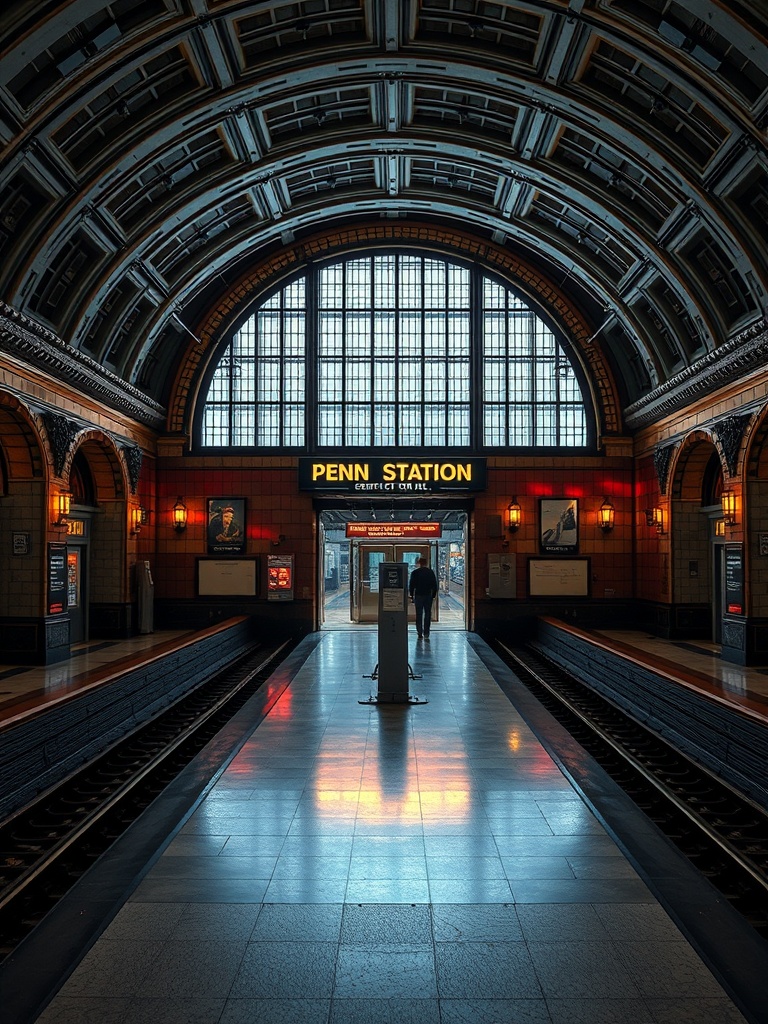
The nearby Moynihan Train Hall added a light-filled concourse that eased crowding for some Amtrak and long-distance services, while ongoing station upgrades aim to modernize signage, expand retail and dining, and improve accessibility.
Expect more open sightlines, better digital wayfinding, and incremental enhancements to ventilation and lighting as part of longer-term modernization efforts.
Navigating the station
Penn Station’s layout can feel like a maze the first few times you visit. Allow extra time for security lines on Amtrak services and for peak-hour crowding on commuter rail. Key tips:
– Check departure boards and official apps before you arrive; platforms and track assignments can change.
– If you’re transferring between services, follow official station maps and signage rather than relying solely on memory.
– Use ticket kiosks or mobile ticketing to save time at peak periods.
– Look for signs indicating accessible routes—recent upgrades have increased step-free options, but distances between concourses and street exits can still be significant.
Connections and nearby options
The station offers convenient transfers to multiple subway lines, making it easy to reach other Manhattan neighborhoods and beyond.
Buses, taxis, and ride-share pickups are located at designated curbside areas—follow posted guidance for the safest and most efficient pick-up points.
For longer trips, several airport transfer services and shuttles operate to the city’s airports; compare schedules and fares ahead of time.
Food, retail, and services
Retail and dining options are concentrated within and around the concourses and in adjacent transit halls. Expect a mix of quick-service food, cafes for grabbing coffee, and specialty shops suited to travelers. If you have time between connections, the surrounding midtown blocks offer a much wider selection of restaurants and stores.
Safety and comfort
Standard urban transit precautions apply. Keep personal items secure, especially during rush periods, and be mindful of unattended bags. Staff presence has increased in some areas to assist travelers and enforce safety protocols. For medical or other emergencies, follow station announcements and locate staffed help points.
Planning tips for commuters and visitors
– Build buffer time into itineraries when traveling through Penn Station; crowds and platform changes are common.
– Use official rail carriers’ apps for real-time alerts and platform updates.
– Consider off-peak travel when possible to avoid the heaviest congestion.
– If accessibility is a concern, review station maps and carrier guides ahead of travel; customer service desks can help arrange assistance.
Why Penn Station matters
Beyond being a transit hub, Penn Station serves as a vital economic and mobility link — supporting daily commutes, regional commerce, and long-distance travel.
As improvement projects continue, the focus is on creating a more efficient, navigable, and pleasant experience for the millions who pass through each year.
Whether you’re a daily commuter or a visitor passing through once, a little planning and awareness of the station’s layout will make your trip smoother and less stressful.