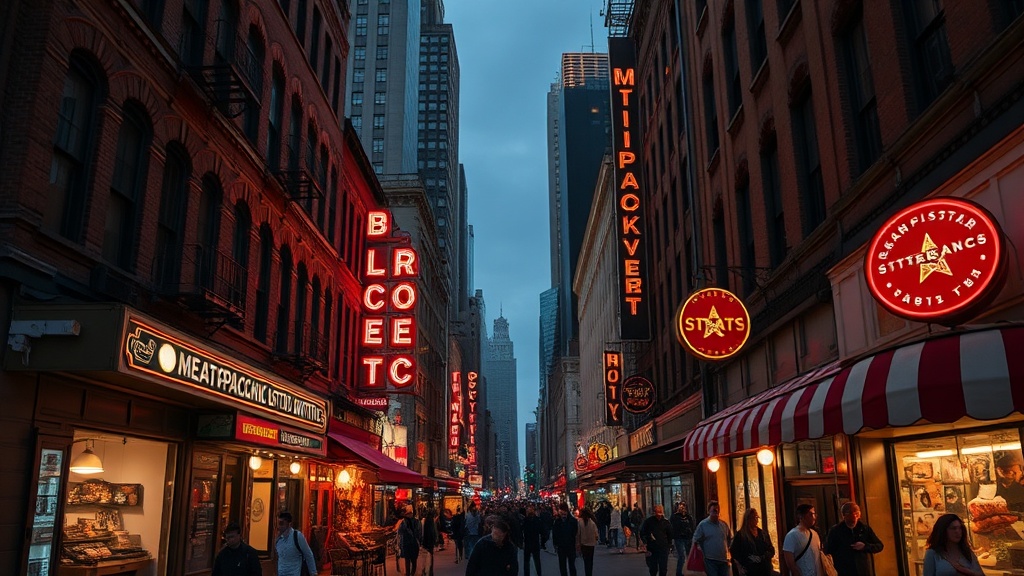
The Meatpacking District strikes a rare balance: industrial grit meshed with polished design, creating one of the city’s most dynamic neighborhoods for dining, shopping, and culture. Once defined by slaughterhouses and freight sheds, the area now draws food lovers, fashion shoppers, and design-minded visitors who come for the cobblestone streets, elevated greenway, and vibrant nightlife.
What to expect
– Streets: Narrow, cobblestone avenues give the neighborhood its distinctive feel.
Comfortable shoes and a slower pace make strolling more enjoyable.
– Architecture: Industrial warehouses have been adaptively reused into boutiques, galleries, and offices, preserving the neighborhood’s texture while supporting modern retail and creative industries.
– Crowd: Evenings and weekends attract a mix of locals and tourists. Weekday mornings are notably quieter and ideal for exploring with minimal queues.
Must-see highlights
– The High Line: An elevated park that runs along the neighborhood edge, offering landscaped promenades, public art, and unique views of the streets below. A walk along the High Line pairs perfectly with visits to nearby markets and galleries.
– Chelsea Market & food halls: A short walk from the main drag, food halls and markets concentrate artisanal vendors—bakeries, seafood counters, specialty grocers and independent coffee bars—making them ideal for sampling diverse flavors.
– Boutique shopping: Expect curated showrooms, concept stores, and designer boutiques that lean into fashion-forward, lifestyle goods. Small, independent labels often sit alongside flagship stores, creating a varied retail mix.
– Nightlife & rooftops: Rooftop bars and intimate lounges animate the district after dark. Many venues require reservations, especially during peak times, and offer skyline or river vistas that make evenings memorable.
Dining scene
The neighborhood is known for an eclectic culinary scene: high-end steakhouses, seasonal seafood, inventive New American menus, and late-night bites. Dining options range from prix-fixe tasting menus to casual counter-service eateries. For a more local experience, head to side streets where neighborhood-focused restaurants mix with international flavors.
Practical tips
– Reservations: Book ahead for dinner and rooftop spots, particularly on weekends and during special events.
– Timing: Visit the High Line early in the day or later in the afternoon to avoid the biggest crowds; lunchtime in nearby markets is lively but can be busy.
– Transit: The area is well-served by subway and buses; walking from nearby neighborhoods is easy and scenic.
– Accessibility: Many streets retain historic paving—note that cobblestones can be uneven. Several public spaces and newer developments are accessible, but checking ahead helps with planning.
Sustainability and culture
Adaptive reuse is a hallmark of the Meatpacking District.
Former industrial buildings now host sustainable retail practices, restaurants sourcing local ingredients, and creative office spaces that prioritize green design. Public art and pop-up exhibitions frequently enliven the neighborhood, reflecting its ongoing relationship with fashion, art, and design.
Why go
Whether you’re seeking an elevated stroll with city views, a memorable meal, or boutique shopping, the Meatpacking District offers a concentrated urban experience that blends history with contemporary culture.
Plan ahead for the popular spots, leave room to wander, and savor the neighborhood’s pedestrian-friendly energy—there’s always something new to discover around the next cobblestone corner.