Lower East Side neighborhood guide: a compact neighborhood with outsized character
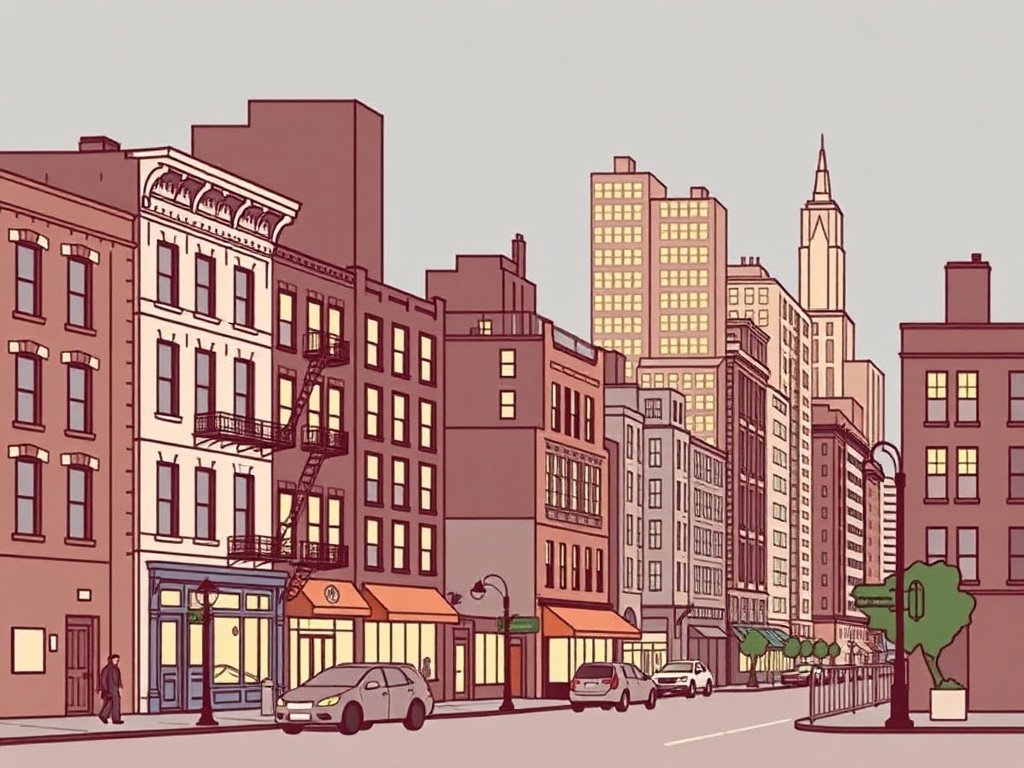
The Lower East Side (LES) is where layered history, a cutting-edge food scene, and lively nightlife meet in a walkable patch of downtown Manhattan. Once an arrival point for immigrant communities, the neighborhood still wears that past openly—tenement buildings and old delis sit alongside contemporary galleries and cocktail bars, creating one of the city’s most compelling contrasts.
What to see and do
– Start with the food: iconic delis and bakeries share blocks with inventive ramen shops, modern Jewish cafes, and seasonal pop-ups. Iconic counters remain popular for their sense of continuity, while newer restaurants interpret global flavors with local ingredients.
– Cultural anchors: small museums and neighborhood organizations offer guided tours and storytelling about immigrant life, labor movements, and community resilience.
These experiences add depth to the streetscape and are worth booking in advance when possible.
– Galleries and street art: Hester, Rivington, and Orchard streets host a rotating mix of contemporary galleries and street murals. Weekend openings and gallery walks present an easy way to see new work and meet local artists.
– Markets and shopping: neighborhood markets bring artisanal foods and prepared meals; independent boutiques and vintage stores on Orchard and Ludlow are perfect for treasure hunting. Many shops blend new designers with curated secondhand finds.
– Nightlife and live music: intimate music venues, speakeasy-style cocktail bars, and rooftop lounges keep evenings lively. Check venue calendars for emerging acts and late-night DJ sets.
Why it feels unique
The LES balances preservation and reinvention. Community gardens and century-old storefronts coexist with modern architecture and creative uses of compact spaces.
That interplay draws locals and visitors who appreciate texture and discovery over polished monotony. Neighborhood groups and cultural institutions work to protect affordable housing and historic sites, making visits feel more connected to real people and living communities.
Practical tips
– Timing: weekdays are quieter for galleries and shops; weekends offer markets and a denser nightlife scene.
Early mornings are best for quieter walks and classic breakfast counters.
– Reservations: popular restaurants and guided cultural tours fill up, so book ahead when you can. Walk-ins still lead to serendipitous finds—plan flexibility into your day.
– Getting around: the LES is compact and best explored on foot. It’s also well served by public transit and local buses for longer hops.
– Money and comfort: bring comfortable shoes and expect some vendors to accept cash only. A light jacket helps for rooftop bars or breezy evening walks.
A neighborhood of small discoveries
The Lower East Side rewards curiosity: one block might offer century-old signage and a beloved deli counter, the next an avant-garde gallery opening. Whether you’re chasing great food, live music, or a walking tour that tells human stories, the LES remains one of the city’s most dynamically layered neighborhoods. Plan a flexible itinerary, follow your nose, and leave room to linger—some of the best moments here happen between destinations.