Meatpacking District: where gritty industrial history meets polished urban chic
The Meatpacking District remains one of the most magnetic neighborhoods in the city — a compact mix of cobblestone streets, converted warehouses, world-class dining, cutting-edge fashion, and public art. Its vibe is a study in contrasts: preserved industrial architecture sits alongside glass-walled flagship stores, rooftop bars, and culturally ambitious institutions that draw both locals and visitors.
What to see and do
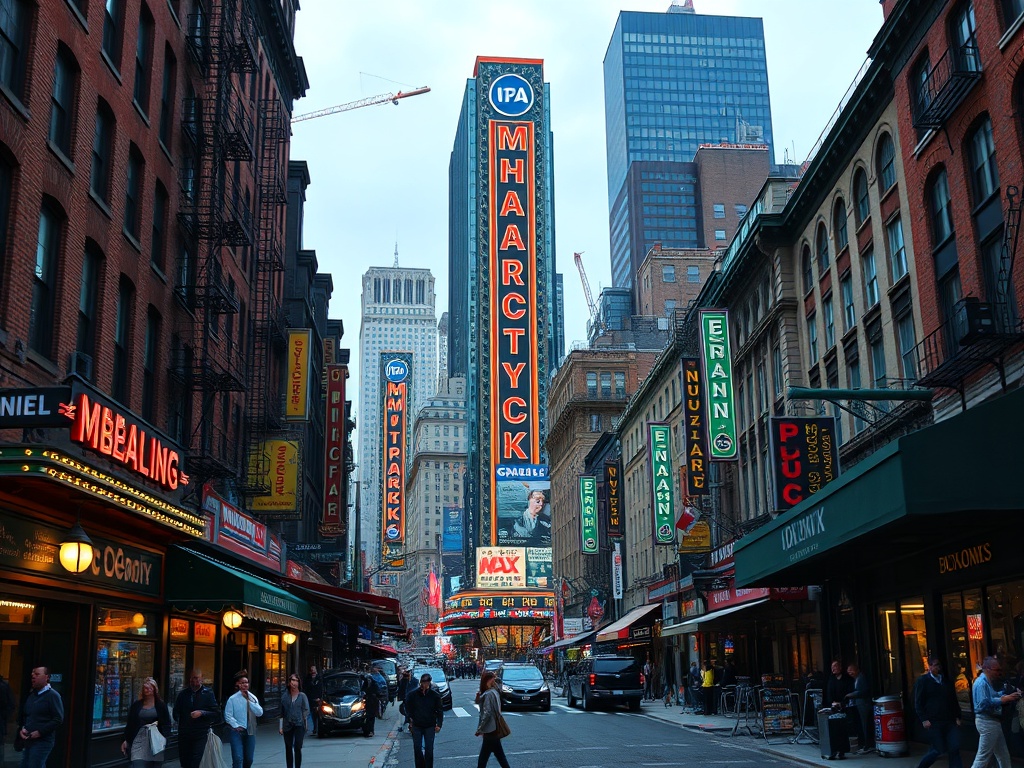
– Walk the High Line: One of the best ways to approach the district is via the elevated park. The Gansevoort access lets you step straight from the greenery down into the neighborhood’s lively streets, where popup performances and street-level art are common.
– Visit the Whitney and nearby galleries: The Whitney’s contemporary collections and outdoor terraces overlook the river and capture the neighborhood’s creative pulse. Scattered galleries and design showrooms offer rotating exhibitions that reward even casual window shoppers.
– Explore Chelsea Market and food halls: The area’s food scene ranges from refined tasting menus to casual marketplaces. Indoor markets and specialty vendors are ideal for sampling artisanal foods, international bites, and grab-and-go treats for a High Line picnic.
– Shop the mix: Boutiques, concept stores, and luxury flagships coexist with independent designers and vintage shops.
The result is a shopping experience that feels curated rather than mass-market.
– Nightlife and dining: After dark, the district is known for destination restaurants and intimate cocktail bars. Rooftop venues and terrace dining are popular when weather allows; reservations for trend-forward spots are recommended.
Practical tips for visitors
– Wear sturdy shoes: The signature cobblestones are charming but uneven, so comfortable footwear helps, especially at night.
– Book popular spots ahead: Restaurants, museum timed-entry tickets, and guided tours often sell out on busy weekends and nights.
– Learn the layout: The neighborhood is compact and walkable.
Pair a High Line stroll with a riverfront walk for a well-rounded outing.
– Respect residents: While the area is a nightlife hub, it’s also residential. Keep noise mindful late at night.
Why the neighborhood matters
Adaptive reuse is central to the Meatpacking District’s identity. Former slaughterhouses and warehouses have been transformed into buildings with new cultural and commercial life, preserving industrial character while accommodating modern needs. This balance of heritage and innovation has made the district a model for urban revitalization, showing how preservation and new development can coexist.
Sustainability and public space
Public investment in parks and pedestrian access has reshaped the neighborhood into a more walkable, people-centered environment. Seasonal outdoor dining, green terraces, and programmed public spaces create an energetic street life that feels intentional rather than accidental.
Insider perspective
For quieter moments, explore side streets away from the main thoroughfares in the early afternoon, when galleries are open and shops are less crowded.
For nightlife, arrive early or plan a backup option — many venues have limited capacity and a lively door scene.
Whether you’re drawn by art, food, fashion, or architectural character, the Meatpacking District offers a concentrated, easily navigable slice of urban energy. It’s a neighborhood that rewards both casual wandering and purposeful exploration, with something new to discover each time you return.