The Meatpacking District has evolved from an industrial hub into one of the city’s most dynamic mixed-use neighborhoods, where preserved cobblestone streets meet cutting-edge design, contemporary art, and a lively dining and nightlife scene.
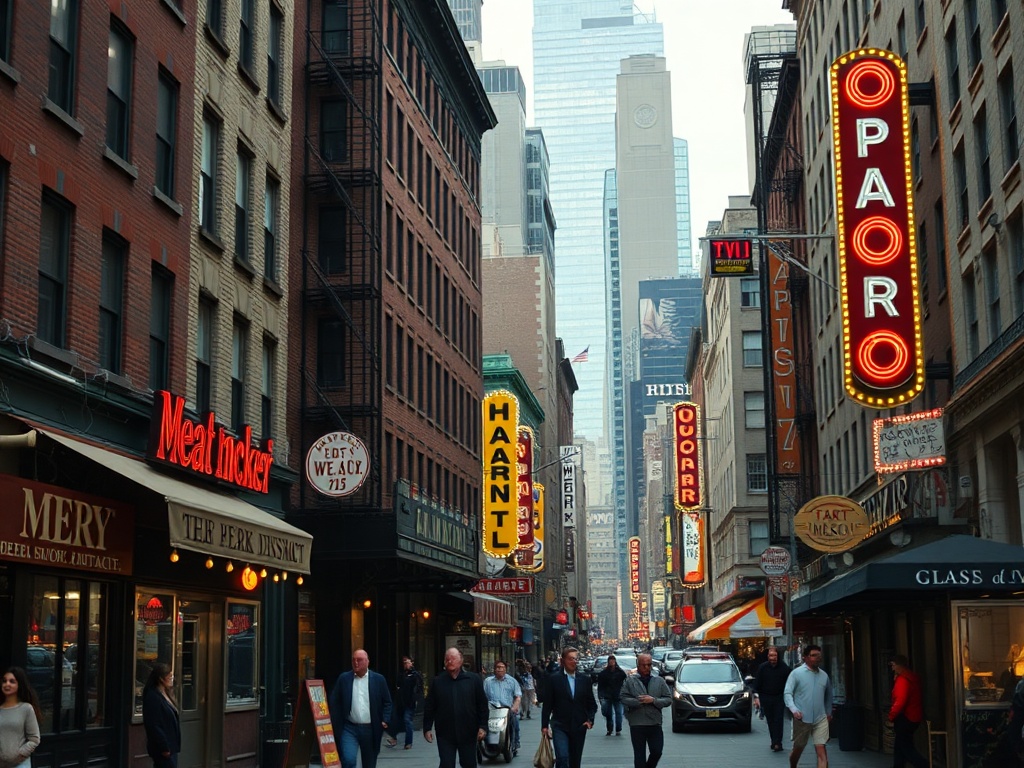
Its compact layout makes it ideal for walking: every block feels curated, with brick-and-steel warehouses repurposed into boutiques, galleries, offices, and restaurants that balance historic character with modern amenities.
A defining feature is the elevated greenway that bisects the area, drawing locals and visitors alike. The elevated park creates a unique vantage for skyline and river views while connecting to neighboring neighborhoods. Nearby, a prominent museum anchors the district’s cultural presence with rotating exhibitions, public programs, and a rooftop terrace that overlooks the park—turning an afternoon visit into a full sensory experience of art, architecture, and city life.
Retail in the Meatpacking District tends toward flagship and concept stores, where fashion, design, and lifestyle brands experiment with immersive retail formats. Window shopping is an activity in itself, and many visitors plan stops at showrooms and designer boutiques that aren’t found elsewhere.
The neighborhood also supports a growing roster of creative office spaces and tech-media firms, signaling a long-term economic shift from meatpacking to media and design industries.
Dining options cover the full spectrum: chef-driven tasting menus, seafood and steak houses, casual market stalls, and innovative small plates. Rooftop bars and intimate cocktail lounges provide great after-dinner options, often with skyline vistas that reward a reservation at sunset. For food lovers, combining a stroll on the elevated greenway with a visit to nearby food halls and markets makes for a satisfying culinary crawl.
Nightlife remains an essential draw.
From lively dance venues to sophisticated cocktail bars and LGBTQ+-friendly spots, the district attracts a diverse crowd. Night owls should be mindful of local residential areas—late-night options can be loud and lively, so choosing the right venue for the mood matters.
Urban preservation is central to the neighborhood’s identity.
Historic-designation protections help maintain the distinctive masonry facades and cobbled streets that give the district its character. New development tends to respect that heritage, using adaptive reuse rather than wholesale demolition, which creates a textured streetscape where old and new coexist.
Practical tips for visitors:
– Walk the district and the elevated park to experience the best views and architecture.
– Wear comfortable shoes—cobblestones and uneven sidewalks are part of the charm.
– Make reservations for dinner and rooftop bars, especially on weekends and during special events.
– Visit cultural institutions in the afternoon when galleries and museum terraces are less crowded.
– Use public transit or rideshares—several subway lines and bus routes provide convenient access, while parking is limited.
The Meatpacking District continues to be a vibrant example of urban reinvention: a place where creative industries, cultural institutions, and hospitality converge, all while celebrating the historic bones of the city. Whether seeking art, shopping, a memorable meal, or a night out, the neighborhood offers an energetic yet walkable experience that captures the city’s ability to reinvent itself without losing its past.