Madison Square Garden remains one of the most talked-about venues for live sports and entertainment, blending a storied past with modern upgrades that shape the fan experience. Sitting above a major transportation hub, the arena’s location makes it a convenient stop for visitors and locals alike, while continued investments in technology, hospitality, and sustainability help keep it competitive with newer venues.
What to expect at events
Whether attending a basketball game, hockey match, concert, or special event, expect fast-paced crowd movement and a tightly packed, electric atmosphere. For basketball and hockey, center-section seats deliver the clearest sightlines, while lower-bowl corners can offer a more affordable, intimate feel. Concertgoers should check the seating configuration—end-stage shows favor floor standing or front-row seating for an up-close experience, while in-the-round productions offer 360-degree views and different sound dynamics.
Practical tips for visitors
– Arrive early to navigate security and concessions; busy gates can create lines close to showtime.
– Use the arena’s mobile app or ticketing platform for digital tickets and venue maps to streamline entry.
– Pack light and review the bag and camera policies before leaving home; many events enforce strict limits.
– Consider transit options—trains and buses drop passengers within walking distance, often faster than rideshares during peak event hours.
– For food and beverages, explore both concourse vendors and premium club options; cashless payments are commonly preferred.
Technology and fan experience
Recent enhancements focus on connectivity and immersive experiences. Upgraded Wi‑Fi and cellular coverage enable social sharing, live stats, and real-time replays through official apps. Large-format LED boards and refined audio systems improve sightlines and sound clarity across seating levels. Many premium offerings now include private lounges, in-seat food delivery, and hospitality packages tailored for corporate outings or special celebrations.
Sustainability and community engagement
The venue has introduced waste-reduction programs and energy-efficiency measures as part of a broader push toward more sustainable operations. Visitor-facing initiatives often include recycling stations and reduced single-use plastics in concessions.
Community partnerships support youth sports and cultural programming, reinforcing the arena’s role beyond ticketed events.
Booking and events calendar
A wide mix of artists and promoters program the arena, resulting in frequent marquee concerts, high-profile boxing and mixed-martial-arts cards, college basketball tournaments, and seasonal sporting residencies. Tickets can sell quickly for headline acts and rivalry matchups; signing up for official presale alerts and checking resale marketplaces early increases the chance of finding good seats.
Accessibility and family-friendly options
The venue provides accessible seating, elevators, and services for guests with mobility or hearing needs. Family restrooms, stroller-friendly pathways, and designated caregiving areas make it easier to bring kids to daytime shows or matinees.
Why it still matters
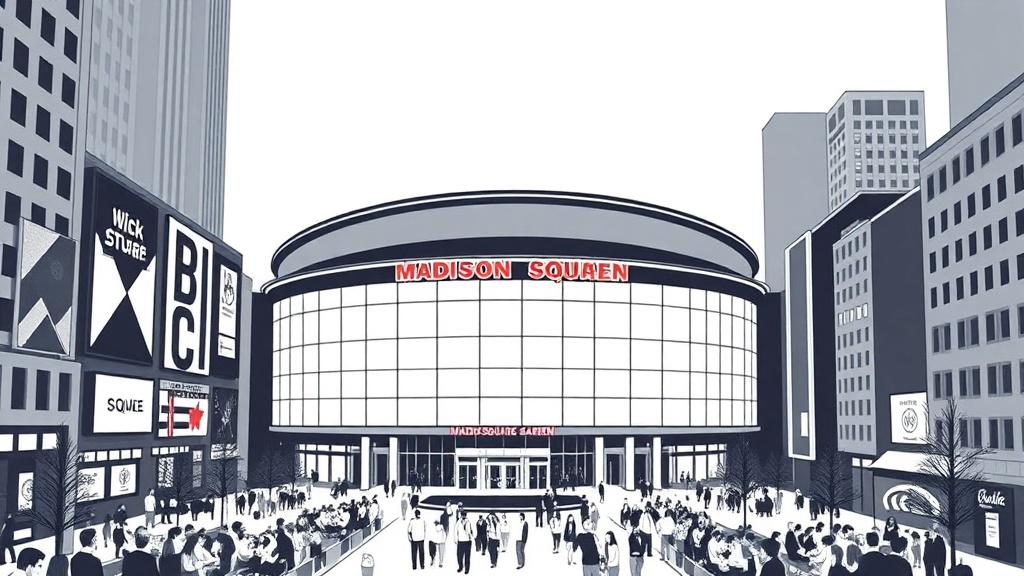
Madison Square Garden mixes landmark status with practical conveniences—central transit access, a packed event schedule, and a continuously modernizing infrastructure.
For visitors planning a night out, a few minutes of preparation—checking ticketing rules, transit schedules, and seating maps—translates into less stress and more enjoyment. Whether drawn by a favorite artist, a championship-minded team, or a must-see sporting spectacle, the arena continues to deliver high-energy live experiences that resonate long after the final buzzer or encore.