Lower East Side: a compact neighborhood with a big personality
The Lower East Side is one of the city’s most concentrated mixes of history, food, art, and nightlife. Once a landing point for waves of immigrants, the area still carries traces of that past in narrow tenement buildings, delis, and religious institutions, while also embracing experimental galleries, buzzy restaurants, and lively bar scenes.
What to see and do
– Tenement Museum: Explore immersive tours that trace immigrant life through preserved apartments and first-person stories. Guided tours give context to the neighborhood’s evolution without glossing over hardship.
– Essex Market: A bustling indoor market where independent vendors sell everything from artisan cheeses and tacos to specialty coffee. It’s a great one-stop spot for an informal food crawl.
– Iconic eats: From classic delis to modern ramen and inventive pastries, the LES serves up a wide culinary range.
Longstanding institutions share blocks with new chef-driven concepts, making food discovery part of the neighborhood’s charm.
– Music and nightlife: Intimate music venues and late-night bars keep the streets lively after dark. Look for smaller clubs and performance spaces that spotlight emerging talent alongside more established acts.
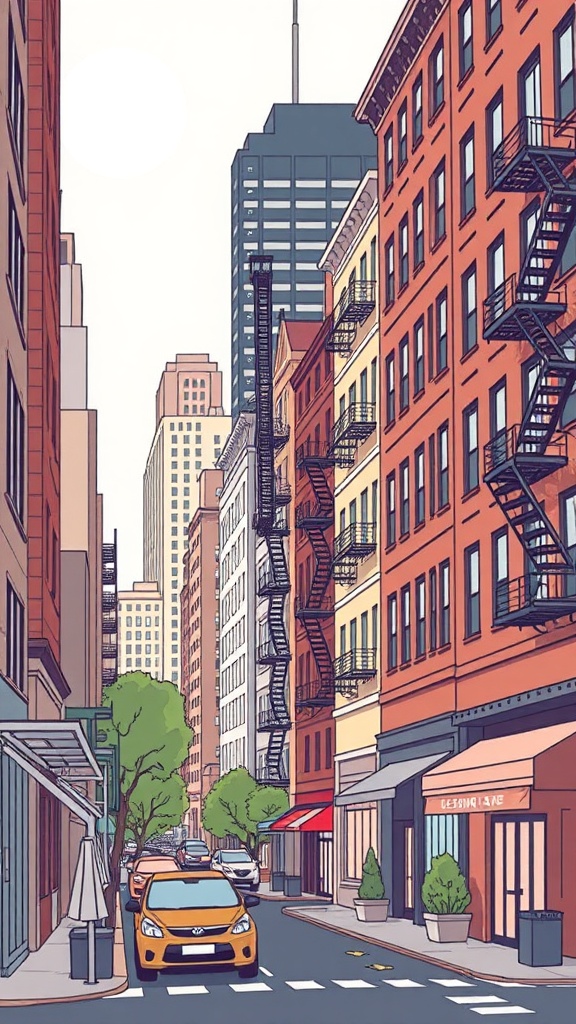
– Art and street culture: Independent galleries line Orchard and the Bowery corridors; murals and street art add color to many side streets. Pop-up exhibitions and artist-run spaces make the LES an accessible scene for collectors and casual viewers alike.
– Parks and green space: Seward Park offers playgrounds and open lawn, while community gardens tucked between buildings provide quiet retreats. These green spots are valuable local resources amid the urban density.
A neighborhood of layers
One of the Lower East Side’s defining traits is its layered identity. Historic tenements and synagogues sit near contemporary condos and boutique hotels. Local community groups and preservationists work to protect cultural landmarks even as development pressures increase. That tension is visible in storefronts: longtime small businesses coexist with new concept shops and restaurants, shaping a neighborhood that feels both rooted and in flux.
Tips for visiting
– Go on foot: The LES is compact and best experienced by walking. Wander side streets—some of the most memorable spots are unmarked.
– Time your visits: Weekday mornings and early afternoons are ideal for quieter market browsing and museum tours; evenings are for dining and shows.
– Book ahead for popular restaurants and events, especially on weekends, to avoid long waits.
– Respect residents: This is a living neighborhood, not just a tourist zone—shop and dine at small businesses to support the community.
Practicalities and transportation
The Lower East Side is well connected by public transit and is easy to reach from many parts of the city. Biking is also a practical option; many streets have bike lanes and Citi Bike docking stations nearby.
Wear comfortable shoes and be prepared for a lot of walking.
Why it matters
The neighborhood is a microcosm of urban change—full of stories about migration, entrepreneurship, and cultural exchange. For visitors and locals alike, the Lower East Side offers a dense, walkable experience where history, food, art, and nightlife collide in vividly human ways. Whether you’re planning a first visit or returning to look closer, the LES continues to reward curiosity and a willingness to explore beyond main avenues.