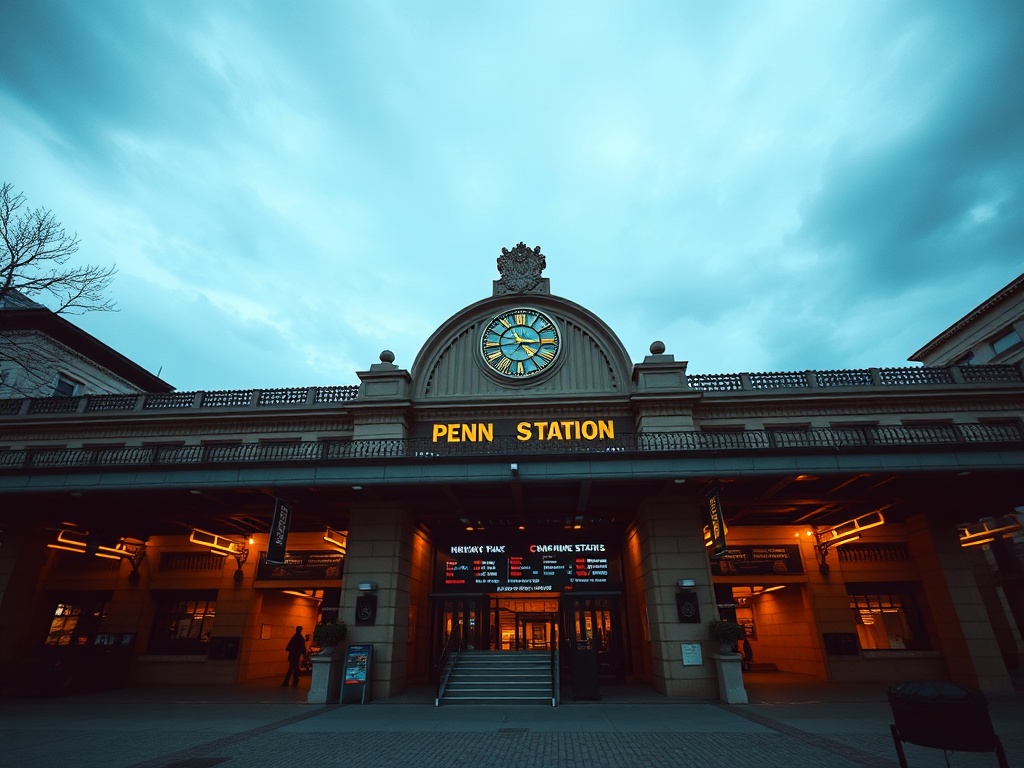
Penn Station remains a central hub for commuters, travelers, and anyone moving through Midtown Manhattan. Serving Amtrak, NJ Transit, and the Long Island Rail Road, it links regional rail with multiple subway lines and surface transit. Understanding how the station is laid out and what to expect can make trips smoother and less stressful.
What to know before you go
– Buy or download tickets ahead: Amtrak, NJ Transit, and LIRR all offer mobile tickets and apps that speed entry and boarding. For city subways and buses use contactless fares through OMNY on your phone or a contactless card.
– Allow extra time: Penn Station is consistently crowded during peak commuting hours and around major events at nearby venues. Factor in additional time for navigating crowds, transferring between services, and passing through ticket gates.
– Know the entrances: Multiple street-level and concourse entrances around Penn Plaza and the Farley/James A. Farley building feed into the station.
Signage guides passengers to departures, but in busy periods following digital station maps or asking an information agent helps.
Connections and airports
– Regional connections are straightforward: direct train services operate to New Jersey and Long Island, while Amtrak provides intercity routes to cities across the Northeast corridor and beyond.
– Air travelers can connect to area airports using rail links: many riders take the LIRR to the AirTrain hub for JFK and NJ Transit to the airport stations serving Newark Liberty.
Plan transfers in advance and check the rail operator’s guidance for combined fares and schedules.
Moynihan Train Hall and amenities
Across from the main rail concourses, the Moynihan Train Hall expanded passenger space and added a modern waiting area with natural light, larger ticketing counters, retail shops, and dining options.
Inside the station you’ll find newsstands, quick-service restaurants, restrooms, and charging points—useful for layovers or last-minute travel needs.
Accessibility and safety
Most concourses, platforms, and services offer ADA-compliant access via elevators and ramps, but some transfers require extra walking or an elevator change. If you need assistance, contact the rail operator beforehand or visit an information desk on arrival. For personal safety and comfort, keep luggage secure, be aware of your surroundings, and use official transit staff or police for help.
Ongoing improvements and planning
Major, multi-agency redevelopment efforts aim to improve passenger flow, expand platform capacity, and modernize station infrastructure.
These projects are phased to minimize disruption, and signage is updated regularly to reflect temporary changes. Check operator websites or station notices for the latest service advisories.
Practical tips for a smoother visit
– Check departure boards and platform assignments on arrival; they can change during busy periods.
– If you need quiet space or a less crowded entrance, try off-peak times or the Moynihan entry depending on your carrier.
– Pack light or use wheeled luggage for easier stairs and platform transfers; luggage carts are occasionally available.
– For dining and last-minute shopping, explore the concourse retailers or nearby sidewalks—Midtown has many quick options within a short walk.
Penn Station is a major gateway to New York and the region.
With a little planning—mobile tickets, extra time for transfers, and awareness of entrances and connections—you can navigate it efficiently and focus on the next leg of your trip.