Tribeca’s blend of industrial charm, cultural cachet, and upscale living keeps it at the top of Manhattan neighborhood lists. Once a gritty warehouse district, this area has evolved into a magnet for creatives, families, and professionals who value character alongside convenience. If you’re considering a visit, move, or investment, here’s what makes Tribeca stand out—and practical tips for enjoying it.
Why Tribeca attracts attention
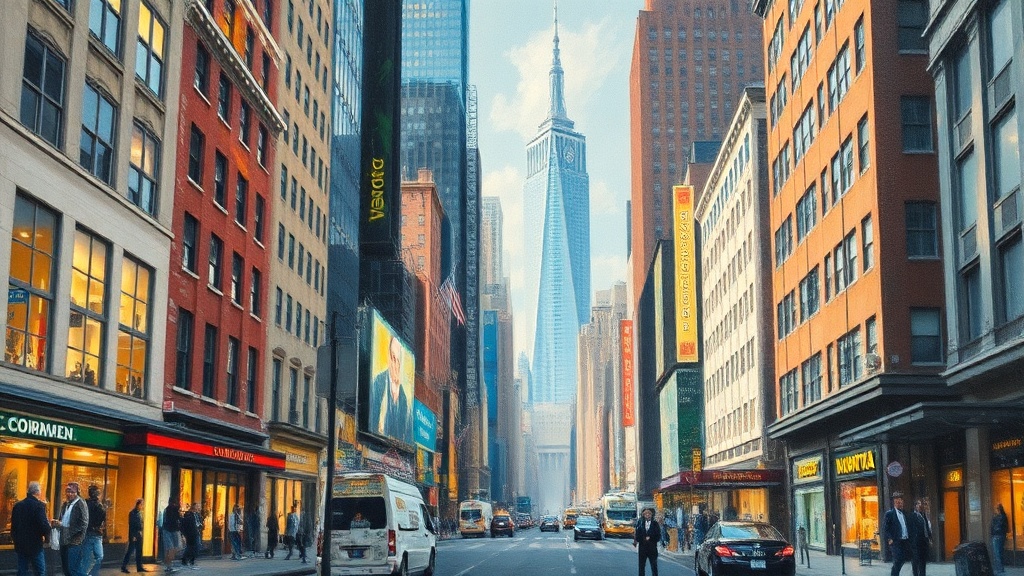
– Architectural character: High ceilings, exposed brick, and cast-iron facades reflect the neighborhood’s industrial past. Loft conversions and boutique condominium buildings preserve original details while adding modern finishes, creating living spaces that feel both historic and contemporary.
– Cultural vibrancy: The neighborhood hosts one of the city’s most influential film events, bringing filmmakers, actors, and cinephiles into the community. Year-round, independent cinemas, galleries, and pop-up events sustain an arts-forward atmosphere.
– Quiet streets and family appeal: Compared with nearby neighborhoods, Tribeca’s streets are relatively calm, lined with trees and brownstones. Small parks, excellent daycares, and strong public and private school options draw parents seeking an urban-but-family-friendly setting.
– Dining and retail: Michelin-starred restaurants sit alongside creative casual spots, artisanal bakeries, and specialty grocers. Food lovers can build a rotating list of favorites without leaving the neighborhood.
Living and real estate highlights
Tribeca’s residential mix ranges from expansive lofts to full-service luxury towers.
Adaptive reuse projects turned warehouses into sought-after residences, often offering generous square footage and unique layouts. Full-service buildings provide concierge services, fitness centers, and rooftop terraces—amenities that appeal to those who expect both comfort and convenience.
Investment and market dynamics
Demand for larger, character-rich living spaces remains strong. Remote and hybrid work patterns have increased interest in homes with flexible office areas. Buyers value privacy and turnkey finishes, while renters appreciate furnished loft options and pet-friendly policies. For investors, proximity to cultural institutions, restaurants, and transportation supports long-term rental appeal.
How to experience Tribeca like a local
– Walk the neighborhood: Meander from cobblestone side streets to waterfront paths to get a real sense of the area’s contrasts.
– Explore the food scene: Make reservations at well-known restaurants but also sample neighborhood cafés and food markets for everyday finds.
– Catch a screening or event: Film-related programming and smaller cultural gatherings often provide the best opportunity to connect with the local creative community.
– Use the waterfront: Hudson River Park and adjacent green spaces offer running paths, piers, and seasonal programming that make outdoor living part of daily life.
Practical tips for visitors and movers
– Parking and traffic can be limited—use public transit options and rideshares for convenience.
– Check building histories and renovations if buying a loft; unique properties sometimes require specialized maintenance.
– For families, prioritize proximity to parks and quality childcare to maximize neighborhood benefits.
– During festival periods and major events, plan accommodations and dining in advance to avoid sold-out situations.
Tribeca remains a compelling mix of past and present: historic bones, cultural activity, culinary excellence, and residential comfort.
Whether seeking a distinctive home, a weekend escape, or an inspired creative environment, the neighborhood continues to deliver a rare combination of character and modern urban living.