Harlem remains one of the most dynamic neighborhoods in the city, where deep cultural roots meet continual reinvention. Known for its pivotal role in shaping music, literature, and political activism, the neighborhood offers a layered experience—historic sites and institutions coexist with new restaurants, galleries, and community initiatives that keep the area vibrant.
Cultural landmarks and creative life
Much of Harlem’s energy centers around its world-famous institutions.
Music and performance venues continue to draw crowds for jazz, gospel, R&B, and spoken-word showcases. Neighborhood churches still host powerful gospel services that attract both local parishioners and visitors seeking an authentic spiritual and musical experience. The area’s literary and archival resources preserve the voices of influential Black writers, thinkers, and activists, while smaller galleries and artist-run spaces showcase contemporary work from a diverse set of creators.
Architecture and public spaces
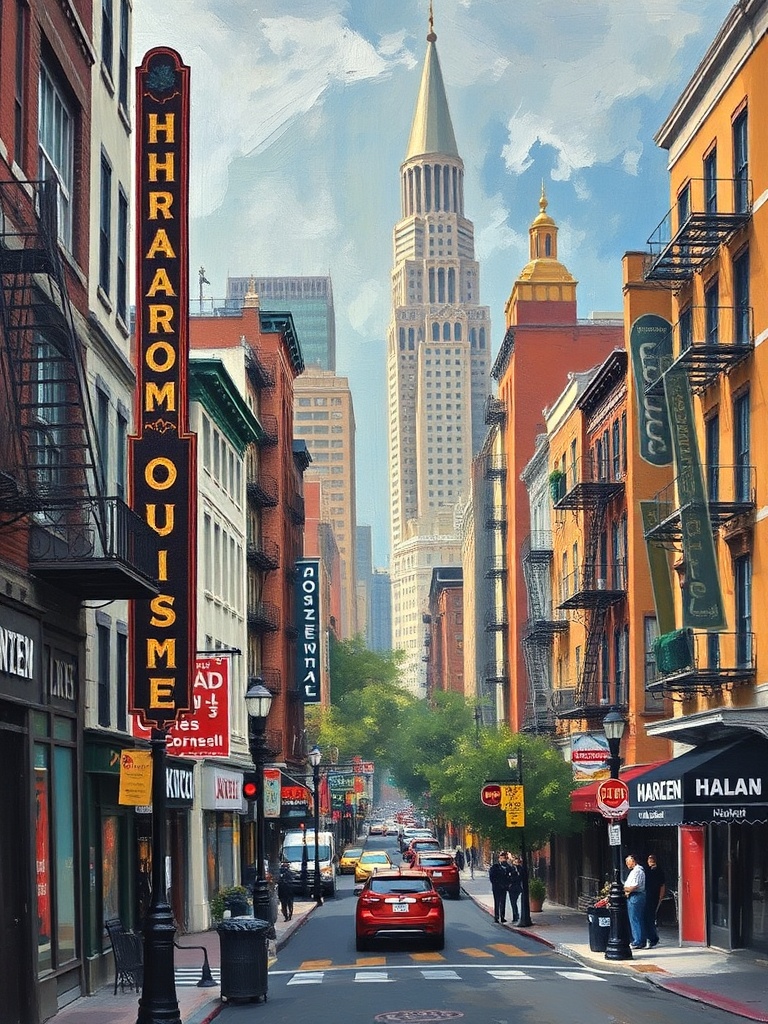
Walkable streets lined with brownstones, iconic row houses, and grand apartment buildings tell the story of Harlem’s architectural evolution. Historic districts like Strivers’ Row and blocks with ornate cornices and stoops offer a visual history lesson. Parks and green spaces act as neighborhood hubs—community gardens, playgrounds, and pocket parks host outdoor events, exercise classes, and farmers’ markets, reinforcing a strong sense of local life.
Food and nightlife
Harlem’s culinary scene blends tradition and innovation. Classic soul food restaurants remain popular for hearty plates and late-morning crowds, while new chefs and restaurateurs are opening spots that reinterpret local flavors or bring international tastes to the neighborhood.
Nightlife includes intimate jazz clubs, contemporary music venues, and late-night eateries—together they create a lively after-dark culture that stays true to Harlem’s musical heritage while welcoming newer influences.
Community initiatives and small business growth
Local entrepreneurs, creative collectives, and nonprofit organizations play a central role in shaping Harlem’s future. Community-led programs often focus on arts education, small business support, affordable housing advocacy, and public art projects. Pop-up markets and neighborhood festivals foster economic opportunity for local makers and chefs, helping to maintain a distinct commercial identity despite broader market pressures.
Balancing preservation and change
Harlem’s evolution brings both opportunities and challenges. Revitalization can generate investment and new amenities, while rising costs threaten long-term residents and long-standing institutions.
Neighborhood organizations, tenant associations, and cultural advocates often collaborate to protect affordable housing, preserve historic buildings, and ensure that development benefits the community as a whole. These efforts highlight an ongoing commitment to honoring Harlem’s past while adapting to present needs.
Tips for visitors
– Catch a live performance—look for jazz sets, open-mic nights, or gospel services for an immersive cultural encounter.
– Visit cultural centers and archives to learn more about Harlem’s artistic and political history.
– Take a guided walking tour to view architectural highlights and murals that tell neighborhood stories.
– Sample both classic and modern dining options; consider joining a food tour to taste a curated selection.
– Support local businesses and galleries—purchases help sustain the creative economy.
Harlem’s appeal lies in its ability to hold multiple stories at once: a place of celebration and struggle, of enduring institutions and new creative experiments. For visitors and neighbors alike, the neighborhood continues to offer meaningful experiences that resonate well beyond a single visit.