Harlem remains one of the most vibrant neighborhoods in New York City, a place where rich cultural history meets an evolving contemporary scene. Known for its role in the Harlem Renaissance, the neighborhood continues to be a hub for music, art, food, and community activism. Visitors and long-time residents alike can find a blend of historic landmarks, creative energy, and grassroots entrepreneurship that makes Harlem distinct.
Cultural institutions anchor the neighborhood’s identity. Legendary venues and research centers preserve and showcase Black artistic achievement, hosting concerts, exhibitions, and public programs that draw diverse audiences. Live music—especially jazz and gospel—still pulses through local clubs and churches, offering both intimate nights of improvisation and powerful Sunday services. Gallery openings and street murals add visual layers, reflecting current conversations about history, belonging, and representation.
The food scene in Harlem has expanded beyond classic soul-food institutions to include contemporary takes on comfort cooking, farm-to-table concepts, and international flavors. Brunch spots and cozy bakeries complement traditional eateries, while neighborhood markets and pop-ups highlight local producers and small-batch artisans. Food tours and neighborhood walks make it easy to taste the range of flavors that define Harlem’s culinary identity.
Community activism and neighborhood stewardship are central to Harlem’s ongoing story. Local organizations work on affordable housing preservation, tenant rights, and small-business support to ensure long-time residents can stay and benefit from economic growth. Community gardens, youth arts programs, and cooperative initiatives create spaces for intergenerational connection and civic participation. These efforts often intersect with cultural programming, using the arts as a tool for advocacy and healing.
Real estate and development bring both opportunities and tensions. Investment has spurred new retail and cultural venues, while long-time residents and advocates push for policies that protect affordability and cultural heritage. Conversations about development tend to center on equitable growth—how to welcome new energy without displacing the people and institutions that give Harlem its character.
For those planning to explore the neighborhood, a few experiences capture Harlem’s spirit:
– Attend a live music night at a neighborhood club or listen to a vibrant gospel service for a moving musical experience.
– Visit prominent cultural centers and smaller galleries to see a range of exhibitions, from archival retrospectives to emerging-artist shows.
– Dine at a mix of legacy restaurants and newer kitchens to sample both classic soul food and inventive contemporary cuisine.
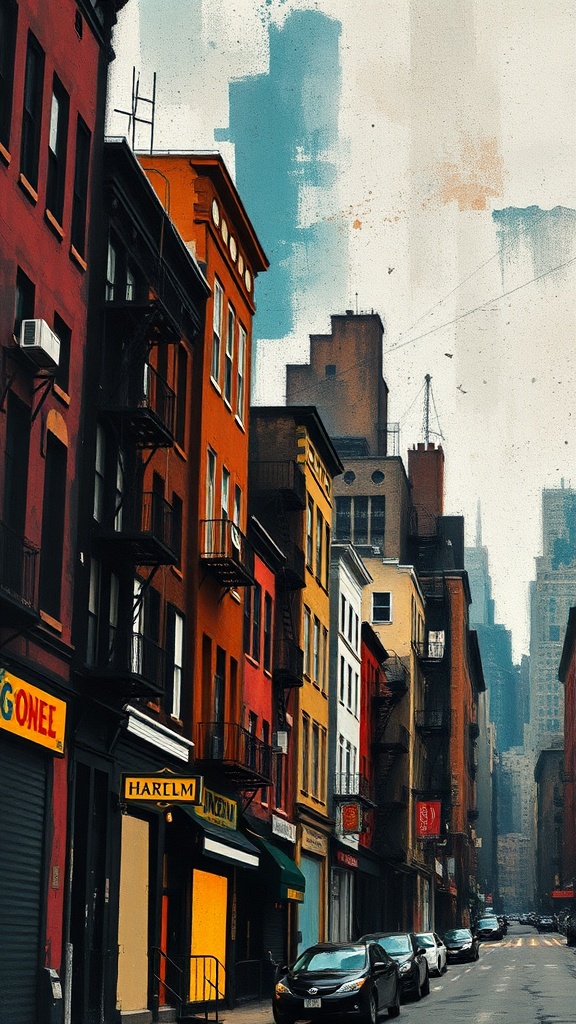
– Join a walking tour to learn about historic figures, architectural landmarks, and the stories behind familiar streets.
– Support local businesses—bookstores, barber shops, artisan shops—that are central to daily life in the community.
Safety and accessibility have improved in many parts of the neighborhood, making it easier for visitors to navigate on foot or by transit. Still, respecting the community—its history, residents, and ongoing struggles—makes any visit more meaningful. Engage with local organizations, attend community events, and consider buying directly from small businesses and cultural organizations.
Harlem’s appeal lies in its layered identity: a place of memory and creativity, struggle and resilience, preservation and reinvention. Whether drawn by music, food, art, or community energy, people find in Harlem an authentic urban neighborhood that honors its past while actively shaping what comes next.