Grand Central Terminal: a living landmark where transit, architecture and city life collide. Whether you’re a first-time visitor or a regular commuter, Grand Central offers far more than trains — it’s a compact guide to New York’s history, design, food scene and hidden corners.
What to see and where to go
– Main Concourse: Start beneath the iconic four-faced clock atop the information booth. The concourse’s vast arched windows and the celestial ceiling painted with constellations make this a must-see. Look up to appreciate the scale; the painted sky is illuminated by soft, indirect lighting that brings out its subtle details.
– Whispering Gallery: Near the Oyster Bar, test the acoustic anomaly created by two tiled archways. A whisper against one wall carries clearly to the opposite corner — a fun photo-op and a favorite for families.
– Oyster Bar & Dining Concourse: The vaulted tilework and acoustics of the Oyster Bar create an atmospheric setting for seafood and comfort dishes.
Beyond it, the Dining Concourse hosts a variety of quick-service options — ideal for commuters and food explorers alike.
– Vanderbilt Hall and special-event spaces: These grand rooms host seasonal markets, pop-ups and cultural programming.
They’re also great spots to escape the rush and admire ornate detailing up close.
– Secret platforms and railroad lore: Grand Central has layers of hidden infrastructure, from private platforms used by dignitaries to routing corridors that hint at the terminal’s rail legacy. Guided tours often touch on these behind-the-scenes features.
Practical tips for visitors
– Timing: For photography, aim for early morning to capture the concourse with softer light and fewer people.
Weeknight evenings showcase the terminal’s warm interior lighting and commuter rhythm.
Avoid peak rush-hour windows if you prefer a leisurely visit.
– Transit connections: Grand Central is a major commuter hub with regional rail connections and multiple subway lines accessible nearby. It’s a convenient gateway for day trips to nearby towns and for connecting across the city.
– Accessibility: Elevators, ramps and accessible restrooms are available; signage points to accessible routes. Staff at information booths can assist with directions and mobility needs.
– Tours and audio guides: Both free and ticketed tours cover architecture, restoration stories and operational insights.
Audio guides provide a self-paced way to learn about decorative details and engineering feats.
Hidden gems and photo opportunities
– The clock: Beyond being a meetup spot, the information booth clock is a classic portrait subject — try framing it with the concourse’s arched ceiling for dramatic shots.
– Whispering Gallery portraits: Capture candid expressions as visitors test the acoustics — the tiled arches make a distinctive backdrop.
– Exterior façades: Step outside to photograph the terminal’s Beaux-Arts stonework and sculptural groupings that crown the facade. Early evening light softens the stone’s textures.
Why it matters
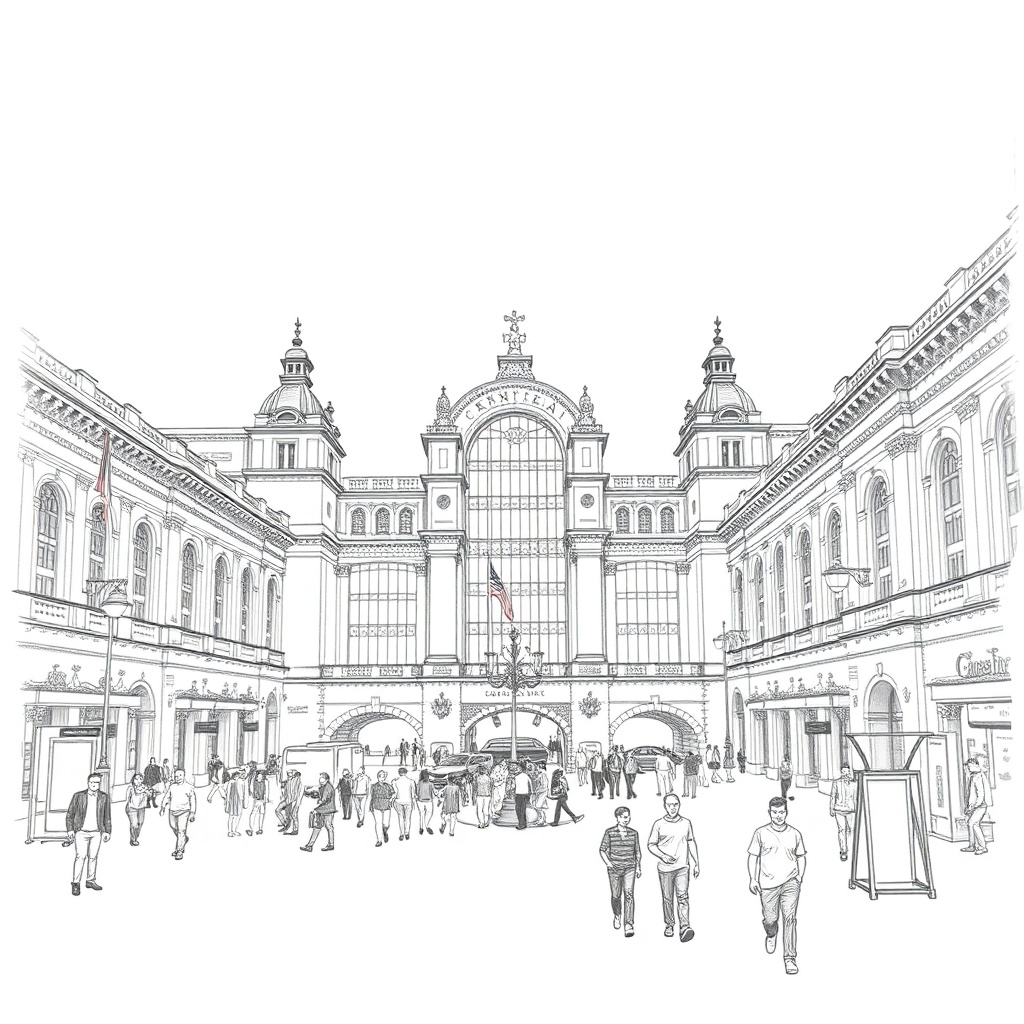
Grand Central is both an active transportation center and a preserved architectural treasure. Conservation efforts and thoughtful retail curation have helped keep its historic character intact while supporting modern use.
It’s a place where daily life intersects with design history, and where small discoveries — a hidden plaque, a wood-paneled arcade, a quiet corner in a bustling building — reward curious visitors.
Plan a visit, explore a new corner, and listen for the unlikely echoes in the Whispering Gallery. Grand Central remains a dynamic destination where movement and memory coexist under one painted sky.