The Meatpacking District is a compact but dynamic neighborhood where industrial history meets contemporary culture.
Once the center of meat distribution, the area has been reinvented into a vibrant corridor of elevated public space, high-design hotels, galleries, and culinary hotspots — all framed by preserved cobblestone streets and converted brick warehouses.
What to see and do
– Walk the High Line: This elevated park rides above the district with landscaped paths, art installations, and sweeping Hudson River views. It’s a signature urban greenway that draws locals and visitors for casual strolls and seasonal plantings.
– Visit Chelsea Market: Housed in a former factory, the market offers artisanal food stalls, specialty grocers, and unique shopping. It’s ideal for grabbing a quick bite, browsing design shops, or sampling international flavors under one roof.
– Explore galleries and boutiques: Narrow streets hide independent fashion boutiques, concept stores, and contemporary art galleries. The neighborhood’s mix of high-end and emerging designers makes it a creative shopping destination.
– Enjoy rooftop bars and nightlife: From sophisticated rooftop lounges to late-night dance spots, the district is known for lively evenings. Many venues combine skyline views with DJ-driven energy and craft cocktails.
– Take in contemporary art: A major modern art museum anchors one end of the neighborhood, showcasing rotating exhibitions and artist-focused programming that complement nearby galleries.
Architecture and atmosphere
The district’s appeal comes from contrasts: historic meatpacking buildings with heavy timber and brick, sleek glass towers, and adaptive reuse projects that keep industrial bones while modernizing interiors.
Cobblestone streets and low-rise facades preserve a human-scale feel, encouraging walking rather than driving. Public art and curated storefronts add to the sensory mix, making each block feel discovery-driven.
Dining and culinary trends
Dining ranges from counter-service vendors and coffee shops to Michelin-star-level restaurants.
Expect hyper-seasonal, ingredient-driven menus alongside creative casual concepts. Market stalls and specialty purveyors support a thriving food scene where takeaway items and sit-down tasting menus coexist.
Practical tips for visitors
– Mobility: The neighborhood is highly walkable, with convenient bike-share stations and bike lanes nearby. Comfortable shoes are advisable because of uneven cobblestones.
– Timing: Mornings and weekday afternoons are quieter for exploring markets and galleries. Evenings and weekends bring peak dining and nightlife crowds.
– Reservations: Popular restaurants and rooftop spots often require reservations or have long lines; plan ahead for prime dining times.
– Accessibility: Many newer venues prioritize accessibility, though older buildings may still present challenges.
Check venue websites or call ahead for specific accommodations.
Why it endures
The Meatpacking District remains compelling because it balances preservation with innovation.
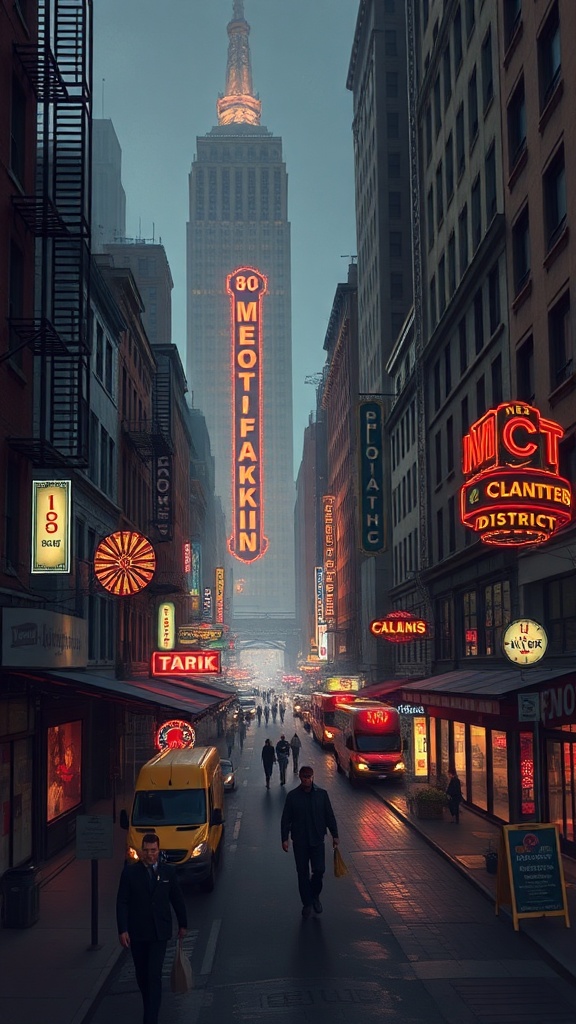
Adaptive reuse projects honor industrial heritage while supporting contemporary commerce, culture, and green space.
That blend keeps the neighborhood fresh — a neighborhood that rewards both casual visitors and regulars with a rotating mix of food, art, fashion, and nightlife.
Whether you’re seeking a curated shopping stroll, a market feast, or an energetic night out, the Meatpacking District offers an intense, compact slice of urban life where history and modern creativity play off each other on every block.