From the vibrant street art to the melodious sounds of the Apollo Theater, Harlem has always been a confluence of creativity and community in New York City.
Today, this culturally rich neighborhood continues to thrive as a hub for African-American art, music, food, and history.
A large part of Harlem’s charm lies in its unique blend of the old and new. The brownstone-lined streets bear testament to a storied past while trendy boutiques, cafes, and art galleries signify a forward-looking spirit. This unity of past and present is integral to understanding Harlem’s cultural heartbeat.
One of Harlem’s most iconic landmarks, the Apollo Theater, has always been the epicenter for African-American arts and culture.
The legendary stage that once resonated with the voices of Ella Fitzgerald, James Brown, and Michael Jackson, today, continues to nurture the talent of aspiring artists and musicians.
Contemporary Harlem, meanwhile, has begun to redefine its culinary landscape. The neighborhood has a burgeoning restaurant scene that caters to an array of palates.
Classic soul food joints like Sylvia’s and Amy Ruth’s coexist seamlessly with modern eateries offering global cuisines. You’ll find everything from the classic Southern comfort fare of fried chicken and cornbread to the exotic flavors of West African Jollof rice.
This culinary diversity mirrors Harlem’s multicultural identity and its evolving food scene is a testament to its inclusive community spirit.
Despite the inevitable changes that come with time, Harlem has consciously preserved its rich history. The Schomburg Center for Research in Black Culture is a prime example. An integral part of the New York Public Library system, the Schomburg Center houses an extensive collection of materials dedicated to African American, African Diaspora, and African experiences. Here, visitors can explore a wealth of knowledge that spans centuries and continents, ensuring that the stories and struggles of the past continue to inform and inspire future generations.
Harlem, however, is not just about historical reflection. It’s also a place where community engagement is encouraged and celebrated. The Harlem Week, an annual cultural festival, sees locals and tourists alike immerse themselves in a rich tapestry of events including music concerts, art exhibits, and food tastings. This event emphasizes the unity and diversity of Harlem’s community, while also highlighting its ongoing contributions to art, culture, and society.
Harlem’s street art scene is another arena where the neighborhood’s cultural vibrancy shines.
The walls of Harlem are adorned with murals and graffiti that reflect its political history, social issues, and cultural identity. Artists like Franco the Great and Gaia have used Harlem as their canvas, transforming the neighborhood into an open-air art gallery.
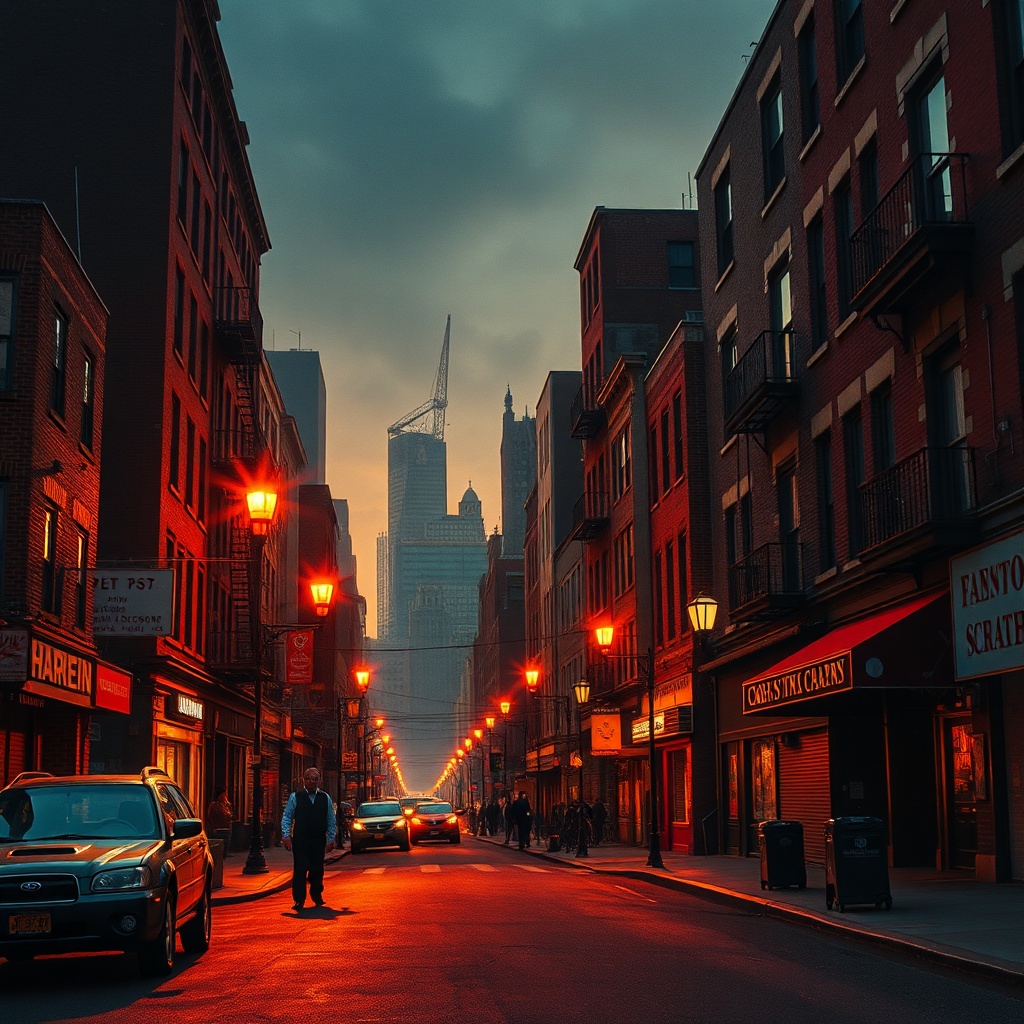
In recent times, Harlem has also become a hotspot for eclectic shopping. The vibrant Malcolm Shabazz Harlem Market offers traditional African crafts, textiles, and jewelry. Alongside, trendy boutiques and design stores offer a modern shopping experience, further adding to Harlem’s diverse appeal.
While Harlem has evolved over the years, its spirit remains unchanged, a testament to its resilience, community, and vibrant culture.
This beloved neighborhood continues to be a beacon of African-American heritage, while its ongoing evolution reflects a dynamic and inclusive future.
From its soulful melodies and flavorful cuisine to its meaningful street art and engaging community events, Harlem offers an unforgettable cultural immersion.
No matter where you look, Harlem’s magic is evident—in every note of music, every brushstroke, every dish served, and every story told. And as long as this rhythm continues, Harlem’s legacy as a cradle of culture and community will remain unshakeable.