Tribeca has long balanced quiet residential charm with a creative, upscale energy that keeps locals and visitors coming back. Once a gritty industrial district, the neighborhood is now synonymous with converted lofts, cast-iron architecture, cobblestone streets and a thriving cultural scene—all while maintaining a calm, pedestrian-friendly feel that distinguishes it from busier parts of Lower Manhattan.
Architecture and atmosphere set Tribeca apart. High-ceilinged warehouse conversions and historic brick facades coexist with contemporary glass buildings, creating a layered streetscape that rewards exploration. Narrow, irregular streets and original cobblestones give the neighborhood a village-like quality, ideal for slow walks and photography. Many buildings still reveal hints of their industrial past—ironwork, freight doors, and large windows—making Tribeca a favorite subject for architects and designers.
Culinary life here is diverse and dynamic.
From intimate cafes and artisanal bakeries to refined dining rooms and chef-driven tasting menus, Tribeca offers options for casual brunches and memorable celebrations alike. Food culture tends to focus on seasonality, craft ingredients, and thoughtful service, so it’s easy to plan anything from a quick coffee stop to a long, leisurely dinner.
Art and film are woven into the neighborhood’s identity. A concentration of galleries and creative studios attracts collectors and curious visitors, while an annual film festival brings filmmakers, premieres, and street-level buzz.
Pop-up exhibitions, small performance spaces, and cultural events give the area a lively calendar that complements its residential character.
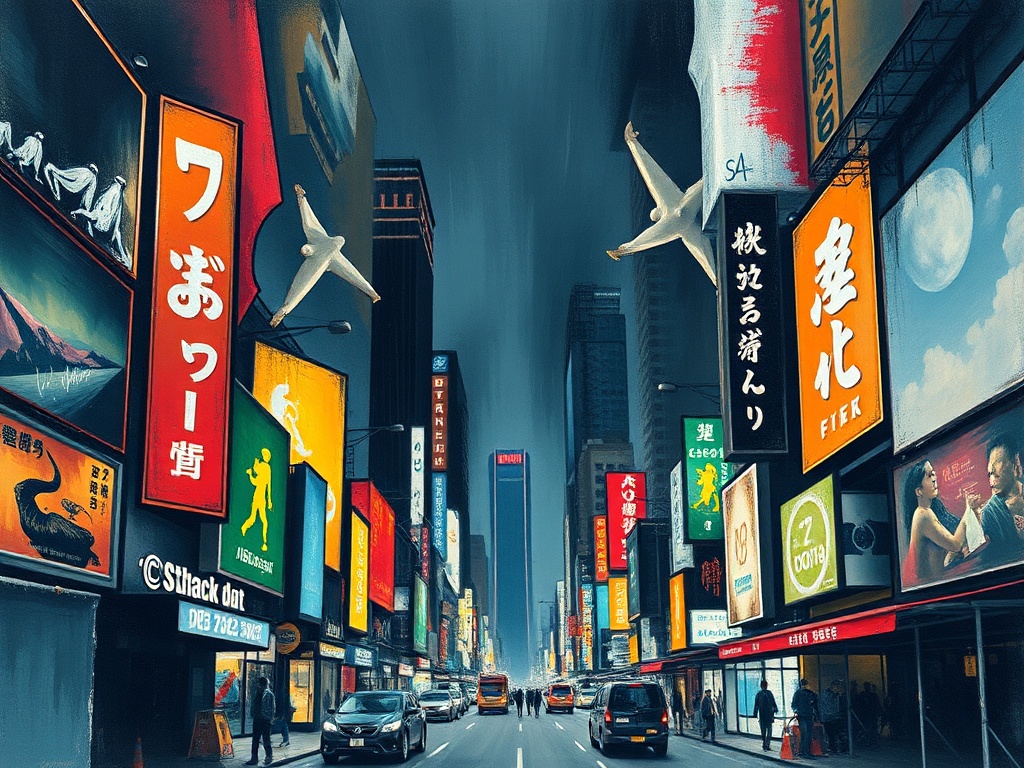
Outdoor space and waterfront access enhance everyday life. Hudson River Park provides miles of paths, greenways, and recreational areas ideal for running, biking, or watching the sunset over the water. Smaller neighborhood parks offer playgrounds and seating for families and dog owners. These green spaces make Tribeca a practical choice for people seeking an urban lifestyle with easy access to nature.
Shopping in Tribeca leans toward independent boutiques, design stores, and curated home shops. The retail mix favors quality and uniqueness over big-box convenience, making it a good place to find distinctive gifts, clothing, and home accents. Galleries and antique dealers add an additional layer of discovery for collectors and interior enthusiasts.
Practical tips for visiting and living in Tribeca:
– Walk as much as possible—the best experiences often come from wandering side streets.
– Take advantage of the waterfront parks for scenic walks or bike rides.
– Explore gallery openings and small cultural events to get a sense of the neighborhood’s creative pulse.
– Plan dining ahead for popular evenings, but enjoy off-peak hours for a quieter experience.
Tribeca’s appeal extends beyond aesthetics. It attracts families with its quieter streets and school options, professionals drawn to its proximity to finance and tech hubs, and creatives who appreciate the neighborhood’s mix of private and public culture. Real estate offerings range from historic lofts with original details to sleek, amenity-rich condominiums, reflecting the area’s broad appeal.
Whether you’re there for design, dining, or simply to absorb the distinctive mix of history and modernization, Tribeca offers a layered, walkable urban experience. Plan to move slowly, take in the architecture, and leave room for discovering the small cafés, galleries, and waterfront views that make the neighborhood memorable.