The Lower East Side offers a compact, endlessly discoverable slice of the city where immigrant history, culinary creativity, and modern culture meet. Walkable and lively, this neighborhood blends tenement-era architecture with new developments, creating a layered experience that rewards slow exploration.
Start with food and markets. Essex Market anchors the neighborhood as a vibrant indoor marketplace that brings together long-running vendors and new culinary concepts under one roof. Nearby delis, bakeries, and bodegas still serve iconic comfort foods — a pastrami sandwich at Katz’s Delicatessen remains a rite of passage — while a wave of contemporary restaurants and casual food stalls reflects the neighborhood’s ongoing culinary reinvention. Orchard Street is known for bargain boutiques and vintage shops, plus a dense cluster of eateries where lunch and late-night options both impress.
History is visible around every corner. The Tenement Museum offers immersive tours that trace immigrant lives and household stories, turning narrow apartments into powerful narratives about arrival, labor, and community. The neighborhood’s streets and preserved buildings make it possible to read decades of change in brick and stoop. Cultural institutions and galleries on and around the Bowery continue to showcase cutting-edge art alongside institutions that preserve the city’s past.
Nightlife here is diverse: intimate cocktail bars, music venues, and lively restaurants create a social mix that ranges from neighborhood hangouts to destination spots. The area has a deep musical legacy, and contemporary venues keep live music and DJ culture alive.
For quieter evenings, several small theaters and reading rooms host talks, readings, and film programs that highlight local and international voices.
Green spaces provide a welcome break from the dense urban fabric. Sara D. Roosevelt Park and Seward Park offer playgrounds, lawns, and areas for group sports, while community gardens tucked into side streets present peaceful spots to read or rest. Waterfront promenades and nearby parks extend options for outdoor recreation and city views.
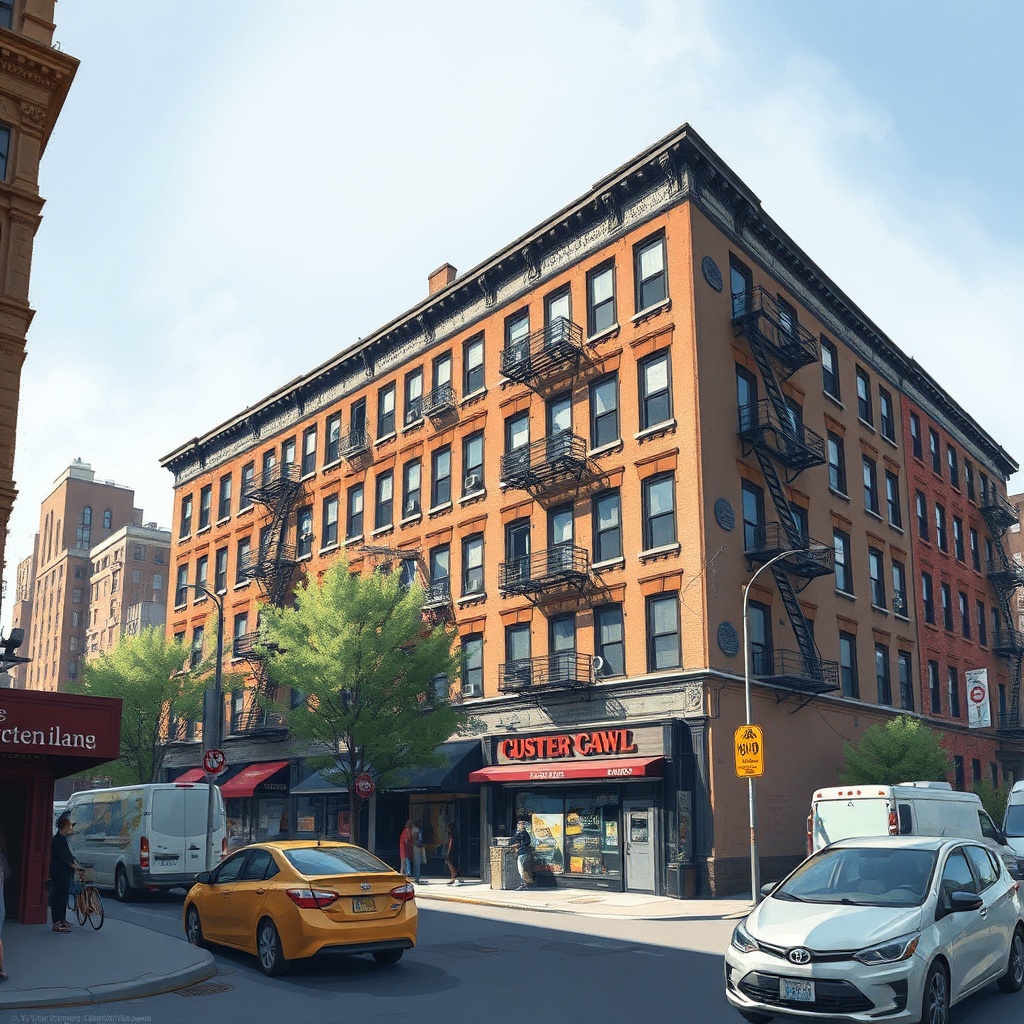
Real estate and development reflect a neighborhood in flux. Historic tenement buildings stand beside new mixed-use projects and renovated lofts, creating a mix of housing types. That change brings both amenities and tensions: longtime residents, neighborhood groups, and new stakeholders often engage around preservation, affordable housing, and public-space planning. Community activism is highly visible, and local organizations regularly weigh in on zoning, open-space management, and cultural preservation.
Practical tips for visiting: explore on foot to fully absorb street-level details; plan to sample both market stalls and sit-down restaurants; check museum websites for guided tours and timed-entry options; and balance daytime wandering with an evening out to see how the neighborhood shifts after the sun goes down. The Lower East Side’s compact nature makes it easy to combine history, food, art, and nightlife in a single outing.
Whether the attraction is a historic deli, a contemporary gallery, or a hidden garden, the Lower East Side keeps offering new layers to discover. Its energy comes from that ongoing dialogue between past and present — a neighborhood that keeps evolving while holding onto the stories that shaped it.