The Meatpacking District has evolved into one of the city’s most dynamic neighborhoods, blending preserved industrial character with cutting-edge dining, design, and cultural attractions. Once dominated by meat processing plants, the area now draws locals and visitors for its cobblestone streets, contemporary boutiques, and lively after-dark scene, all while retaining the gritty architectural details that give it distinct charm.
Architecture and public spaces
Cobblestone streets and converted brick warehouses create a unique streetscape that invites exploration on foot. The neighborhood’s close connection to the elevated greenway adds a rare pairing of urban and parkland experiences—walks along elevated pathways offer sweeping views and easy access to art installations and seasonal plantings.
Waterfront parks nearby provide a green escape and a healthy contrast to the built environment.
Culture and art
Contemporary art spaces and galleries keep the area culturally relevant.
Major museums on the edge of the district showcase rotating exhibitions, while smaller galleries and pop-up shows highlight emerging artists and experimental projects. Fashion events and design showcases occur frequently, reinforcing the district’s reputation as a creative hub where style, art, and commerce intersect.
Dining and nightlife
The culinary scene ranges from upscale tasting menus to casual market stalls. Trend-forward chefs and established restaurateurs both find a receptive audience here, so reservations are often recommended for popular spots. Rooftop bars and intimate cocktail lounges offer elevated views and late-night energy, while neighborhood eateries serve more relaxed fare—perfect for a pre-show dinner or a leisurely brunch.
Shopping and design
Boutique retailers and flagship stores line the streets, offering a mix of independent designers and well-known labels. Design showrooms and architect firms favor the industrial loft spaces, making the district a go-to destination for interior inspiration. Window-shopping is rewarding, but shoppers looking for one-of-a-kind pieces should plan extra time to browse smaller boutiques and concept stores.
Practical tips for visitors
– Walkable neighborhood: The district is compact and best enjoyed on foot. Wear comfortable shoes, especially on uneven cobblestones.
– Timing: Evenings are lively, but daytime visits reveal galleries, markets, and quieter cafés.
Brunch crowds form quickly on weekends.
– Reservations: For top restaurants and popular rooftops, booking ahead reduces wait times.
– Transport: Well-connected via public transit and rideshare options, with many visitors combining a neighborhood stroll with nearby parks and cultural sites.
– Accessibility: Some historic buildings retain original features; check accessibility options before visiting specific venues.
– Safety: The area is bustling after dark; standard urban safety practices apply—stay aware of surroundings and keep valuables secure.
Sustainability and preservation
Recent development efforts emphasize adaptive reuse and preservation, transforming industrial structures into sustainable commercial and cultural spaces.
Green building practices and pedestrian-friendly planning have become priorities, which helps maintain the district’s character while supporting modern urban needs.
Why visit
The Meatpacking District offers a condensed experience of urban vitality: striking architecture, an influential food scene, curated shopping, and cultural attractions all within a few blocks. Whether the aim is a night out, gallery hopping, or simply enjoying a scenic walk along the elevated parkway, the neighborhood rewards curiosity and comfortable shoes.
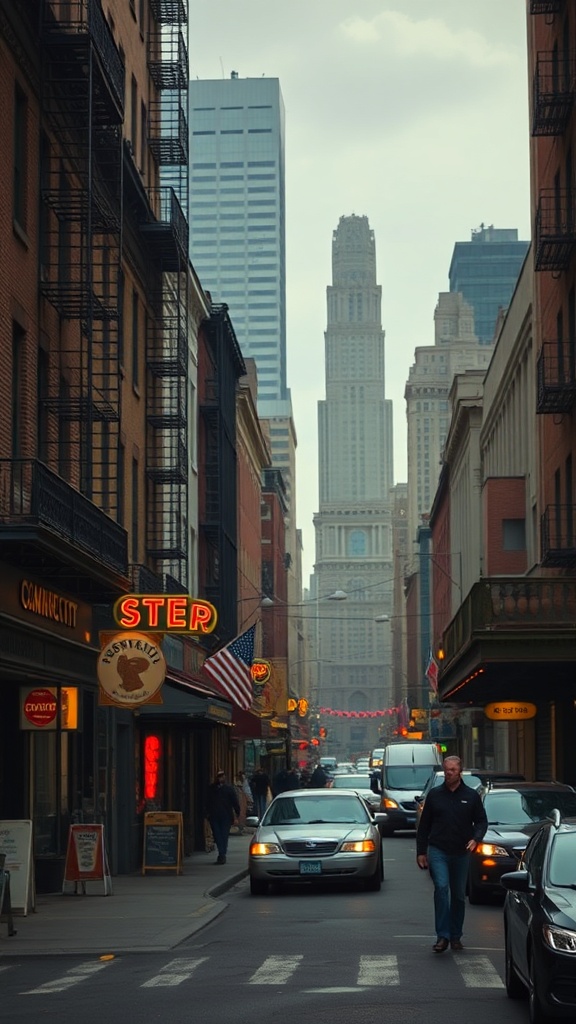
Plan time to wander without a strict agenda—some of the best discoveries come from following side streets, popping into small galleries, or lingering at a market stall. The district continues to be a place where history and innovation meet, making each visit feel fresh and engaging.