Meatpacking District: Where Industrial Grit Meets Curated Cool
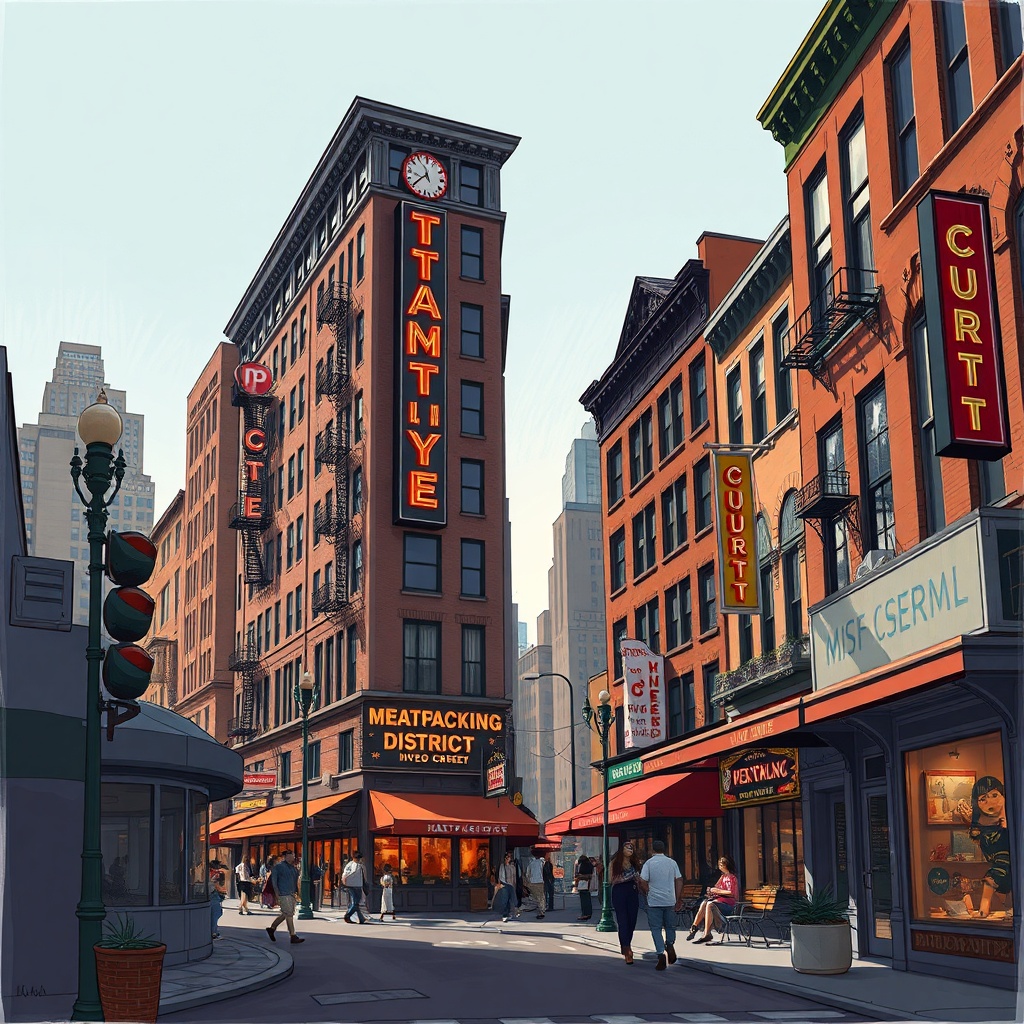
One of the city’s most dynamic neighborhoods, the Meatpacking District blends historic industrial character with contemporary design, dining, and culture. Cobblestone streets and converted brick warehouses create a striking backdrop for boutique shops, cutting-edge restaurants, art spaces, and a lively nightlife scene. The result is a compact urban neighborhood that’s easy to explore on foot and packed with experiences for foodies, design lovers, and people-watchers.
What to see and do
– Walk the High Line: This elevated park traces a former rail line and links the Meatpacking District with nearby neighborhoods. Elevated views, public art, and landscaped seating make it a popular route for both visitors and locals.
– Visit Chelsea Market: A short stroll from the district, this indoor market offers artisanal foods, specialty shops, and curated eateries.
It’s a great place to sample local flavors and pick up unique gifts.
– Explore gallery and showroom culture: Many fashion showrooms and contemporary galleries call the area home. Window-shopping turns into discovery, with pop-up exhibitions and designer boutiques appearing regularly.
– Stroll along the waterfront: Hudson River Park provides green space, jogging paths, and sunset views over the water. The proximity to the river adds a relaxed counterpoint to the district’s buzzing streets.
Dining and nightlife
The Meatpacking District remains a destination for culinary creativity. From chef-driven tasting menus and international small plates to casual counter-service spots, the neighborhood offers a mix of elevated and approachable options. Rooftop bars and lively lounges capitalize on skyline and river views, creating a nightlife scene that feels both energetic and stylish.
Reservations are often recommended for popular restaurants and weekend evenings.
Architecture and urban character
The area’s preserved cobblestones, cast-iron facades, and low-rise warehouses are a visible reminder of its past. Adaptive reuse projects have transformed former packing houses into retail, hospitality, and cultural venues while maintaining architectural authenticity. This blend of old and new is a signature element—streets feel intimate and photogenic, ideal for strolling or a casual photo walk.
Shopping and design
Boutiques favor curated selections over mass-market offerings. Expect designer clothing, limited-edition home goods, and specialty footwear alongside concept stores and flagship experiences. Interior design studios and showrooms cater to both trade professionals and consumers, making the district a magnet for anyone interested in trends and craftsmanship.
Practical tips for a smooth visit
– Wear comfortable shoes: Cobblestones and uneven sidewalks make footwear choice important.
– Time your exploration: Daytime visits highlight shopping and markets; evenings bring a different energy with dining and nightlife.
– Use public transit or bike: Limited parking and narrow streets make transit, rideshares, or bike-sharing convenient options.
– Book ahead: For sought-after restaurants and rooftop venues, reservations reduce wait times and secure the best views.
Why it still matters
The Meatpacking District’s appeal lies in its capacity to evolve while retaining a distinctive identity. A neighborhood that once revolved around industrial activity now serves as a microcosm of urban reinvention—where design, food, commerce, and public space intersect. For visitors looking for an energetic yet walkable slice of the city, it offers a compact itinerary filled with sensory rewards.
Plan a walk, map out a meal, and leave time to discover a tucked-away gallery or bar—some of the best finds come simply from wandering the district’s storied streets.