Penn Station: navigating New York’s busiest rail hub with confidence
Penn Station is one of the busiest transportation hubs in the country, serving Amtrak, NJ Transit and the Long Island Rail Road. Its footprint spans under Midtown Manhattan and now includes an expanded concourse nearby that transformed the passenger experience with more light, seating and retail. Whether you’re a daily commuter or a first-time visitor, knowing how the complex is organized makes travel smoother.
What to expect on arrival
Crowds peak during morning and evening commute windows, and platforms can be spread out. Signage points toward the main concourses, but plan extra time if you’re transferring between operators or moving baggage.
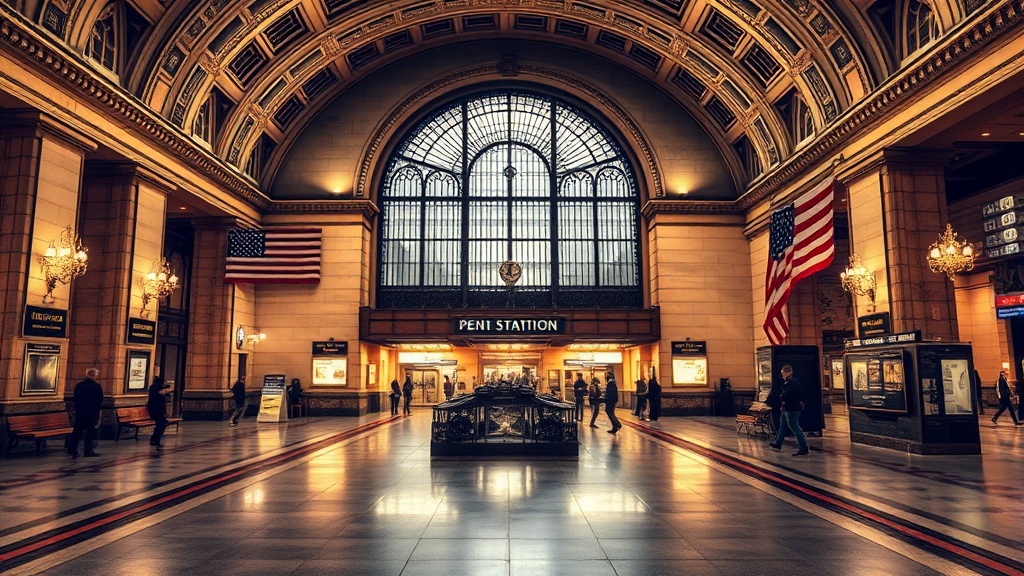
The expanded concourse adjacent to the original complex offers clearer wayfinding, more comfortable waiting areas, and a wider selection of food and retail options than the older corridors.
Connections and nearby transit
– Amtrak: intercity and regional trains depart from designated concourses; check your ticket for the departure platform and allow time for boarding.
– LIRR: trains to Long Island use separate platforms and scheduling—use the railroad’s app or departure boards for platform assignments.
– NJ Transit: commuter trains to New Jersey have their own tracks; ticket kiosks and mobile ticketing are available.
– Subway and PATH: multiple subway lines stop within a short walk; PATH and bus services offer additional regional connections.
Wear comfortable shoes—walking between transfers can take longer than expected.
Accessibility and customer service
Elevators, ramps and staffed customer service desks are available, though elevator locations may require a slightly longer walk.
All three rail operators provide assistance for passengers with mobility needs if requested ahead of time—contact customer service when you book or arrive early so staff can arrange help.
Practical tips to save time and stress
– Buy and download tickets before you arrive. Mobile and e-tickets reduce lines at kiosks.
– Check digital departure boards frequently. Platform assignments can change with little notice.
– Allow extra time for luggage checks and crowded stairs or escalators.
– If you have a tight connection, alert train staff as you board—they can sometimes assist with platform information.
– Keep valuables secure and be aware of pickpocketing risk in crowded areas.
– Use the expanded concourse’s amenities: seating, restrooms, cafes and charging stations make long waits more comfortable.
Dining and shopping
The station complex includes a mix of quick-service and sit-down options, plus convenience retailers and specialty shops. The expanded concourse emphasizes local and national food brands and offers pop-up concepts, making it easier to grab a meal between trains.
Future improvements and capacity
Large-scale infrastructure projects aimed at increasing rail capacity and improving resilience are part of long-range planning for the region’s rail network. These efforts are intended to reduce congestion, improve reliability and add redundancy for trans-Hudson travel—benefits that will gradually improve the Penn Station travel experience.
Making the most of your visit
Plan ahead, monitor real-time updates from the operator you’re traveling with, and give yourself extra time for transfers. With a little preparation, navigating Penn Station becomes routine—and the station’s newer concourse provides a more pleasant environment for travelers passing through one of the nation’s busiest transit gateways.