The Lower East Side is one of the city’s most magnetic neighborhoods: a compact, layered mix of immigrant history, edgy creativity, and a food-and-nightlife scene that keeps evolving. Walk its blocks and you’ll find century-old delis and tenement buildings rubbing shoulders with contemporary galleries, pop-up boutiques, and buzzy restaurants — all within easy walking distance.
Historic roots and cultural anchors
The area’s immigrant past remains visible and celebrated. Museums and preserved tenements offer immersive tours that tell stories of arrival, work, and community life.
Classic storefronts like a legendary deli and specialty appetizing shops still draw locals and visitors seeking authentic flavors and a slice of nostalgia. A public market acts as a culinary hub, where vendors and chefs mix artisanal producers with international street food — a perfect place to sample the neighborhood’s range.
Art, music and street-level creativity
The Lower East Side is a creative laboratory. Small galleries and artist-run spaces showcase emerging voices; a prominent contemporary museum anchors the neighborhood’s institutional art presence.
Street art pops up on shutters and alley walls, rewarding slow exploration.
When the sun goes down, intimate music venues and late-night bars host everything from singer-songwriters to DJ sets, keeping the area lively well into the night. Cocktail culture is strong here: speakeasies, rooftop lounges and craft cocktail rooms offer both low-key charm and inventive menus.
Dining and shopping that bridge eras
Culinary options reflect the LES’s layered identity — century-old delis and seafood counters sit alongside inventive newcomers serving global flavors and plant-forward menus.
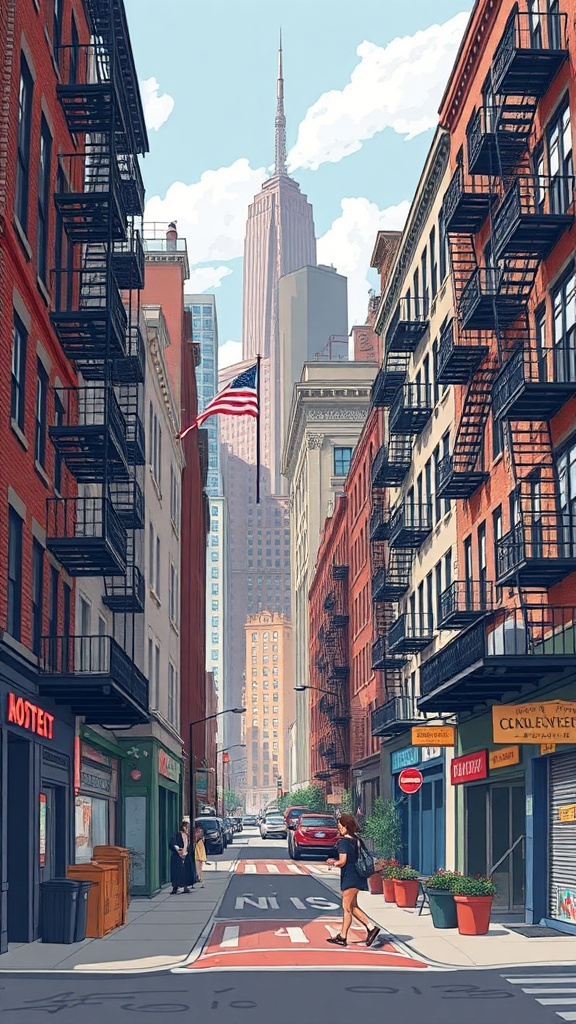
Orchard streets and side alleys are lined with boutiques, vintage shops and independent bookstores that make for ideal browsing. The neighborhood’s food scene is particularly friendly to lovers of small plates, shared meals and tasting-style adventures.
Growth, community and preservation
Recent development has brought new housing, public spaces and mixed-use projects that aim to balance community needs with economic activity. That growth has created opportunities and sparked important conversations about preserving affordable housing, historic character and community green spaces. Local groups and neighborhood institutions continue to play a visible role in shaping how the Lower East Side evolves, supporting small businesses and cultural programming.
Tips for visiting
– Go on foot: the best discoveries are on side streets and back alleys.
– Eat like a local: split dishes or order small plates to sample more places.
– Check ahead: many galleries and music venues post updated hours and ticket info online.
– Explore off-peak: late mornings and early evenings are great for avoiding the busiest crowds while still experiencing the buzz.
– Respect residential streets: keep noise down late at night and support local businesses.
The Lower East Side remains a neighborhood of energy and contradictions — historic and forward-looking, gritty and polished. Whether you’re there for food, art, or simply to soak up the street life, it rewards curiosity and slow exploration.