Central Park remains one of the world’s most beloved urban escapes, offering a mix of curated landscapes, rugged woodlands, cultural landmarks, and year-round programming. Whether you’re a first-time visitor or a regular, there are always new ways to explore this green lung at the heart of the city.
What to see and do
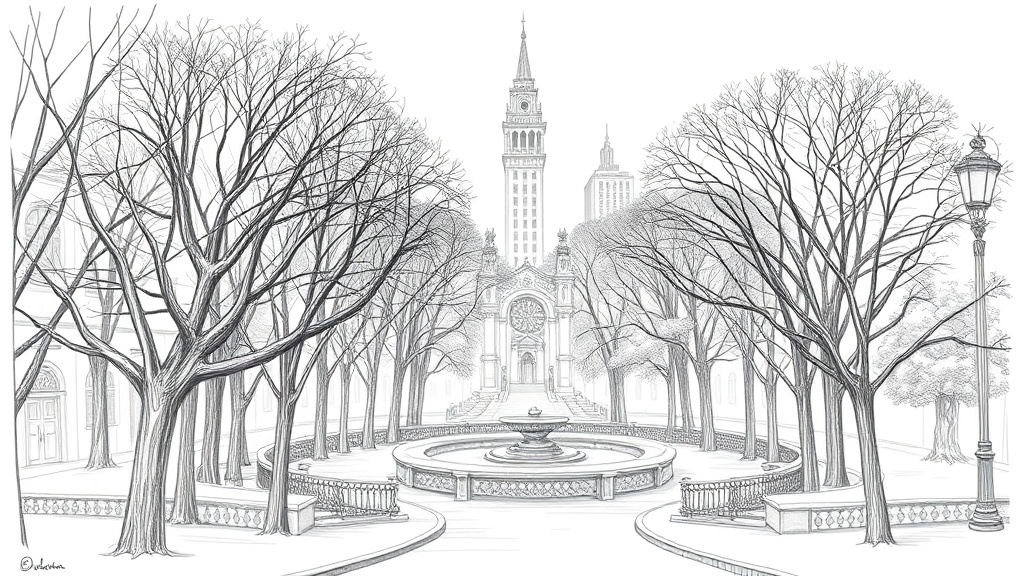
– Bethesda Terrace and Fountain: An architectural centerpiece with iconic views toward the lake and the Mall.
– The Mall and Literary Walk: A grand, elm-lined promenade perfect for photos, street performers, and people-watching.
– Jacqueline Kennedy Onassis Reservoir: A scenic loop ideal for jogging or a relaxed stroll; the water and skyline views are especially photogenic.
– The Ramble: A beloved, intentionally wild area favored by birdwatchers and anyone seeking winding trails and quiet pockets of nature.
– Conservatory Garden: A formal, tranquil garden offering seasonal blooms and a calm alternative to busier park areas.
– Belvedere Castle: A small stone castle with panoramic views and a great vantage point for orienting yourself.
– Sheep Meadow and Great Lawn: Expansive lawns for picnics, sunbathing, and community gatherings—bring a blanket and enjoy the skyline backdrop.
– Boating: Rowboats and gondola rides depart from the Boathouse, adding a gentle water-based perspective on the park’s scenery.
Hidden gems and quieter corners
Venture off the main paths to discover stone bridges, tucked-away mews, and small sculptures. The North Woods and Hallett Nature Sanctuary offer more secluded trails and rustic landscapes that feel miles from the city. Early mornings and weekday afternoons often reveal a quieter side of the park with fewer crowds and better wildlife-viewing opportunities.
Birding and biodiversity
Central Park functions as an essential stopover for migratory birds and supports a surprising diversity of wildlife within an urban setting.
The Ramble and the North Woods are hotspots for birdwatching; bring binoculars and check local bird lists or community sightings to see what species are active.
Native plantings and habitat management help sustain pollinators and small mammals alongside the park’s more visible features.
Practical tips for visitors
– Plan a route: The park spans many neighborhoods—choose an entrance near points you most want to see to maximize time.
– Wear comfy shoes and bring water: Even short visits involve a fair bit of walking across varied terrain.
– Respect rules: Leash laws, cycling lanes, and permit requirements for amplified sound and large gatherings help keep the park safe and enjoyable for everyone.
– Use public transit: The park is accessible by multiple subway and bus routes; parking is limited and often expensive.
– Check programming in advance: Outdoor concerts, theater performances, and special events can affect access to certain areas and create large crowds.
Support and stewardship
Ongoing care and restoration are funded through a mix of public support, private philanthropy, and volunteer efforts. Joining a volunteer clean-up, donating, or participating in a guided stewardship activity are meaningful ways to contribute to the park’s long-term health.
Why it matters
Central Park continues to be more than a tourist destination—it’s a living landscape that supports recreation, culture, mental health, and urban ecology. Exploring beyond guidebook highlights, observing seasonal changes, and engaging with local programming reveal why this green space remains an essential part of city life.