Harlem remains one of the most vibrant and culturally rich neighborhoods in New York City, a place where history and contemporary energy meet on every block.
Known for its deep roots in African American arts, music, and food, Harlem draws visitors and locals alike with its iconic institutions, live performances, and evolving creative scene.
Cultural landmarks and live music
Landmark venues anchor Harlem’s cultural life. The neighborhood’s music legacy is audible in jazz clubs, gospel choirs, and open-mic nights that carry forward the spirit of earlier musical movements. Venues host established artists and emerging talent, creating a constantly renewing soundtrack. Historic theaters and community arts spaces also stage theatrical productions, dance, and spoken-word events that reflect Harlem’s layered identity.
Food and hospitality
Harlem’s culinary scene blends tradition and innovation. Classic soul-food restaurants serve the recipes that many came to know and love, while a new wave of chefs is reimagining Southern, Caribbean, and pan-African flavors for contemporary palates. Cafés and bakeries pop up alongside long-standing family-run eateries, offering everything from quick bites to weekend brunch favorites. For the best experience, combine a visit to a neighborhood favorite with a stop at a newer spot to taste how Harlem’s food story continues to evolve.
Architecture and historic streets
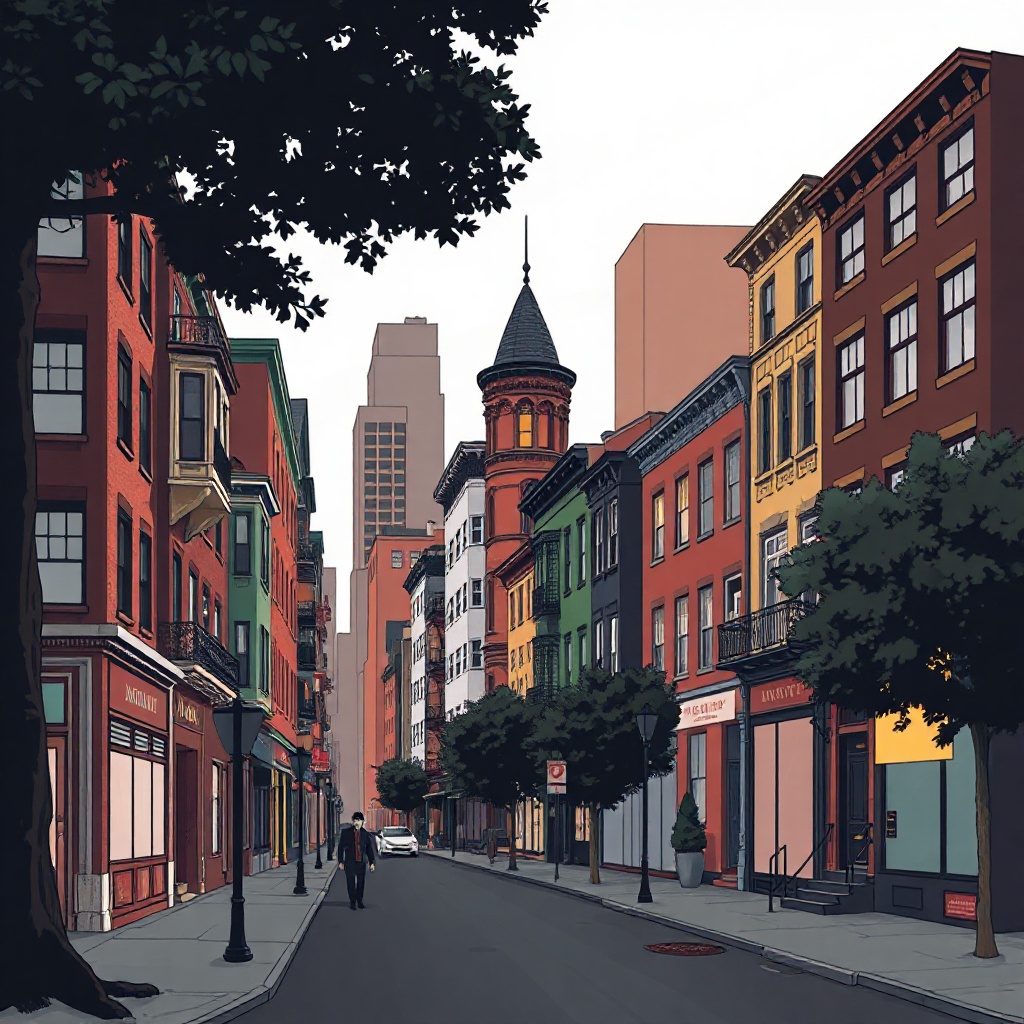
Tree-lined streets with brownstones and rowhouses define much of Harlem’s residential charm. Walking tours and self-guided strolls reveal architectural details, historic plaques, and sites tied to the neighborhood’s social and cultural movements.
Landmarks celebrate political, artistic, and civil rights figures who shaped local and national history.
Exploring Harlem on foot is one of the most rewarding ways to connect with its past and present.
Community, change, and resilience
Like many dynamic urban neighborhoods, Harlem is experiencing change. New development, rising housing costs, and shifting demographics create both opportunities and tensions. Community groups and local leaders work to protect cultural heritage, support small businesses, and ensure that longtime residents benefit from neighborhood investment. Visitors interested in responsible travel can support these efforts by choosing locally owned shops, attending community events, and buying from artisans and food vendors.
Practical tips for visiting
– Plan to explore on foot or by subway; many highlights are clustered and best discovered up close.
– Check event listings before you go—church services, live music, and gallery openings offer authentic experiences.
– Support local businesses: purchase food, art, and goods from neighborhood vendors to help sustain the community.
– Be mindful and respectful of residential areas, especially late at night.
Where to focus your time
Spend a morning browsing art galleries and community exhibits, an afternoon sampling local cuisine, and an evening catching live music or a theater performance. Combining cultural institutions with immersive neighborhood experiences—like church concerts or street markets—gives a richer, more nuanced view of Harlem beyond the guidebook highlights.
Harlem’s ongoing story is one of creativity, resilience, and reinvention. Whether drawn by music, food, architecture, or community activism, visitors who take time to listen and explore will find a neighborhood that honors its past while continually shaping its future.