Harlem’s Cultural Pulse: Music, Food, and Community Energy
Harlem remains one of New York’s most vibrant neighborhoods, where historic landmarks sit alongside new creative energy. Known for its music, soul food, and strong community identity, Harlem offers a rich mix of cultural institutions, nightlife, and everyday places that tell a layered story worth exploring.
Why Harlem matters
Harlem’s legacy is tied to major artistic movements, community leadership, and cultural innovation. That history continues to shape the neighborhood’s present-day character, with institutions, performers, and entrepreneurs keeping traditions alive while pushing boundaries. For visitors and locals alike, Harlem delivers immersive experiences that reflect both heritage and change.
Top experiences and must-see spots
– Live music and jazz clubs: Harlem’s live music scene remains a draw.
Intimate venues and larger theaters host jazz, gospel, R&B, and experimental sound—perfect for anyone chasing authentic night-time experiences.
Check local listings for performances by emerging artists alongside established acts.
– Historic theaters and cultural institutions: Stages and museums in Harlem spotlight Black art, history, and performance. These institutions offer rotating exhibitions, artist talks, and community programs that deepen understanding of the neighborhood’s cultural significance.
– Soul food and dining: Harlem’s culinary scene continues to evolve. Classic soul food restaurants serve time-honored recipes, while new chefs reinterpret Southern and global flavors.
Food halls, bakeries, and coffee shops add variety for daytime exploring.
– Parks and outdoor life: Green spaces provide community gathering points and seasonal programming. From casual strolls to outdoor concerts and fitness classes, parks in Harlem are hubs for social life and local events.
– Shopping and small businesses: Independent boutiques, record shops, and bookstores offer unique finds and support local entrepreneurs. Shopping here provides both curated goods and community connection.
Community resilience and change
Harlem faces the same pressures seen in many urban neighborhoods—rising rents, development, and demographic shifts.
At the same time, community-led efforts focus on preservation, affordable housing, and cultural programming to keep long-standing institutions viable. Local nonprofits, artists, and small-business owners play key roles in shaping development and ensuring that Harlem’s cultural fabric remains accessible.
Practical tips for visiting
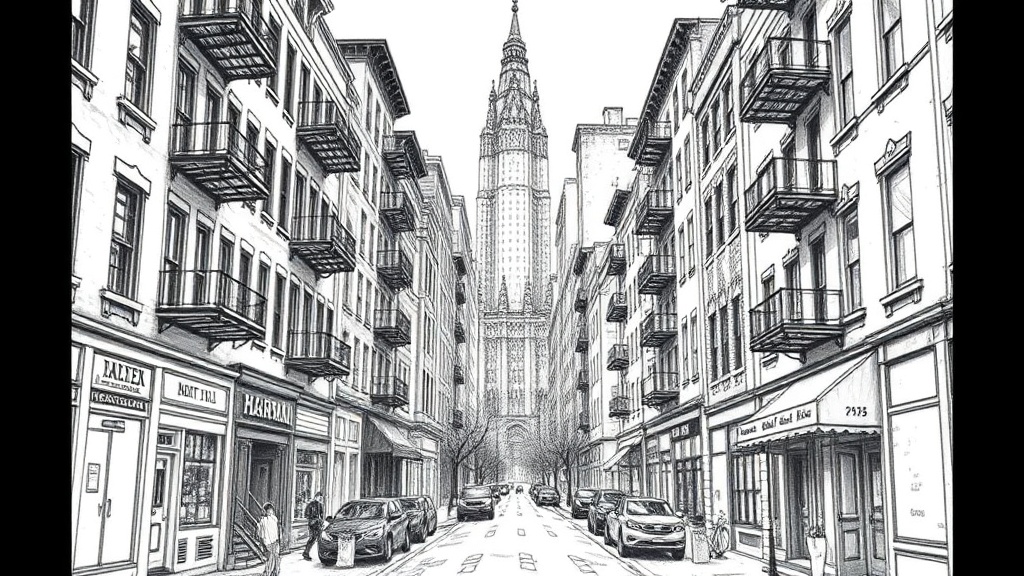
– Explore beyond the main avenues: Side streets reveal murals, community gardens, and neighborhood cafes that offer a more intimate view of daily life.
– Attend a live show or community event: Nothing captures Harlem’s spirit like live performance—check venue websites for tickets and event calendars.
– Support local businesses: Choose independent restaurants, shops, and markets to help sustain the neighborhood economy.
– Use public transit: Harlem is easily reachable by subway and bus. Walking is the best way to discover hidden gems and public art.
Why return again and again
Harlem rewards repeat visits with layers of discovery. One day might be about music and museums, the next about food and local festivals. The combination of deep history, ongoing creativity, and strong community networks makes Harlem a place where tradition and innovation coexist.
Whether seeking a night of jazz, a plate of authentic cuisine, or meaningful cultural programming, Harlem offers an authentic urban experience anchored by stories and people who continue to shape its future.
Plan time to linger—Harlem reveals its best moments to those who wander with curiosity.