The Upper East Side remains one of Manhattan’s most recognizable neighborhoods, combining refined residential streets, world-class museums, and a thriving dining and shopping scene.
Whether you’re planning a visit or considering a move, the Upper East Side offers a mix of classic New York elegance and quietly evolving urban conveniences.
Neighborhood character
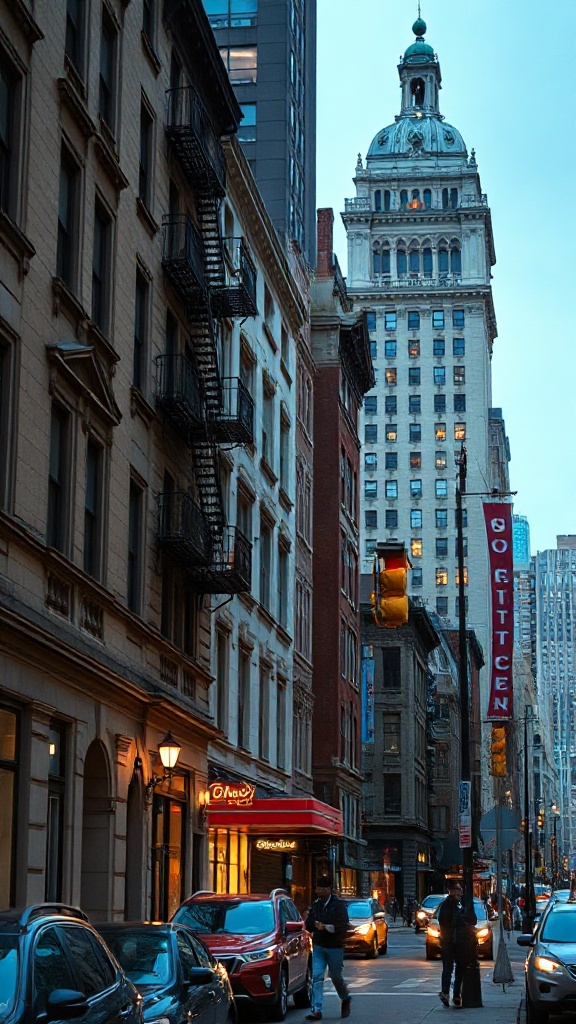
Stately brownstones, limestone mansions and elegant prewar co-ops line tree-shaded avenues.
The area’s reputation for polished, residential calm is balanced by cultural intensity along Museum Mile and lively commercial corridors like Madison and Third Avenues.
This makes the Upper East Side equally appealing to families, professionals and long-time city residents seeking a calmer pace without giving up access to Manhattan’s amenities.
Culture and museums
Museum Mile anchors the neighborhood’s cultural identity. Major institutions, neighborhood galleries and smaller specialty museums cluster along a short stretch, creating one of the densest cultural corridors in the city.
The Metropolitan Museum of Art and the Solomon R. Guggenheim act as global draws, while smaller institutions and rotating exhibitions keep the cultural calendar fresh.
Expect regular gallery openings, walking tours and public programming that cater to art lovers of all ages.
Dining and shopping
Dining on the Upper East Side ranges from refined tables to relaxed neighborhood spots. Elegant restaurants and classic bistros sit beside modern farm-to-table eateries, family-friendly cafes and well-curated delis. Madison Avenue and nearby side streets host a strong lineup of independent boutiques, artisan shops and luxury brands, making the area a destination for shoppers who prefer a quieter, appointment-free retail experience compared with the busier districts downtown.
Parks and outdoor life
Proximity to Central Park is a major lifestyle perk. East-side access points make it easy to enjoy long runs, weekend picnics, stroller-friendly walks and free outdoor programming.
The East River esplanade and Carl Schurz Park provide quieter riverfront alternatives with river views, dog runs and gardens.
For residents who value outdoor space, the Upper East Side’s blend of large green expanses and intimate pocket parks is a major draw.
Real estate and living
Real estate offers a wide palette: elegant prewar co-ops, renovated townhouses and contemporary condominiums with modern amenities. Buildings often emphasize service and privacy, appealing to those seeking stability and classic finishes.
The neighborhood’s demographic mix—families, empty nesters and long-time renters—helps maintain steady demand for schools, healthcare facilities and community services.
Transportation and accessibility
Several subway lines and bus routes connect the Upper East Side to other parts of the city, and bike lanes are expanding the options for short hops across town. Walkability is a strong suit; many errands, from grocery shopping to morning coffee, can be handled on foot. Driving is less common for daily commuting but convenient for weekend excursions and errands.
Practical tips
– For museum visits, book timed-entry tickets where available to avoid lines.
– Explore different blocks: the feel changes from the quieter brownstone pockets to livelier commercial streets.
– Make reservations for popular restaurants, especially on weekend evenings.
– Take advantage of neighborhood farmers’ markets and specialty food shops for fresh, local ingredients.
The Upper East Side manages to stay true to a refined New York identity while adapting to modern lifestyle needs.
It’s a neighborhood that rewards slow exploration—whether through a museum afternoon, a leisurely walk in the park, or simply discovering a new café on a side street.